
Quick answer
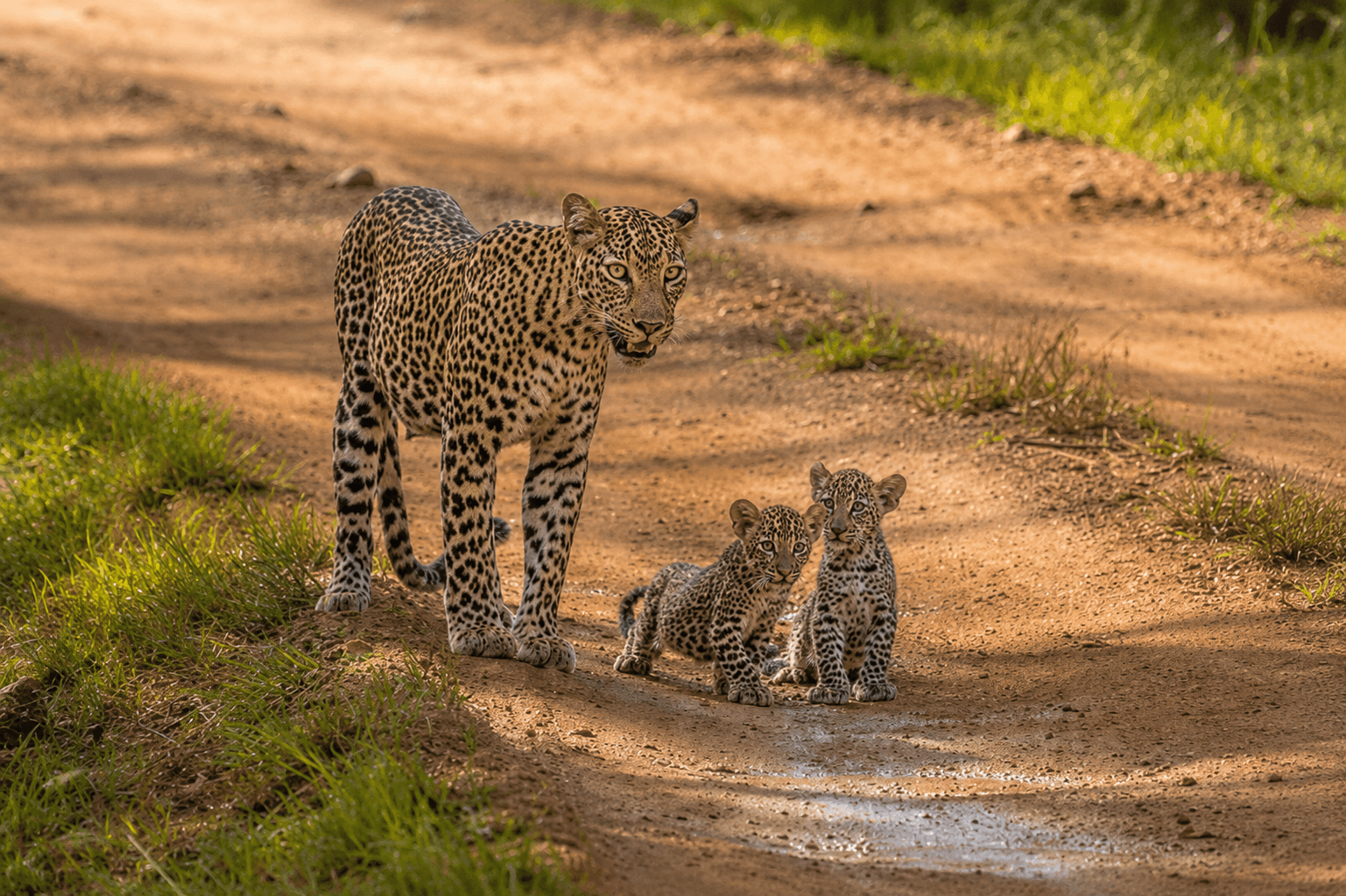
A wildlife and beach itinerary with more safari time spends two nights at Udawalawe and three at Tissamaharama, allowing two Udawalawe drives, three Yala drives and a dawn at Bundala, then one night at Tangalle, two at Mirissa and one at Unawatuna. That gives five wildlife nights and four beach nights. The extra Yala drives roughly double the chance of a leopard compared with a single morning, and leave time for sloth bears, birds and quieter blocks.
Key takeaways
- The safari-heavy route spends two nights at Udawalawe, three at Tissamaharama, one at Tangalle, two at Mirissa and one at Unawatuna.
- Three Yala drives, including one full day or one in a quieter block, give a much better chance of a leopard than one.
- Udawalawe gets a dawn and an afternoon drive, the best way to see the park's elephants in different light.
- Bundala adds flamingos and migratory waders roughly September to March.
- The beach half shrinks to four nights but still includes Mirissa's whale boat and a night near Rekawa.
Why add safari time
Adding safari time to a wildlife and beach holiday pays off because wildlife sightings are a matter of probability. A single drive in Yala Block I gives a fair chance of a leopard; three drives at different times of day, and ideally one in a quieter block, improve the odds considerably and leave room for rarer animals like sloth bears.
More time also changes the experience. With several drives ahead, you can sit with an elephant herd or a crocodile at a waterhole without worrying about the clock, and drivers can follow up on tracks and alarm calls from the previous session.
- →Leopards: three Yala drives rather than one.
- →Sloth bears: most likely in Yala around June, when the palu trees fruit, but possible all year.
- →Birds: a dawn at Bundala and quieter time at Udawalawe.
The route, day by day
The safari-heavy wildlife and beach route spends the first five nights in the dry zone. Times are approximate.
The safari-heavy route keeps nine nights in five bases. It front-loads the early mornings, with five consecutive dawn or near-dawn starts, so the move to the coast on day six comes as a welcome change of pace. Each coastal move after that is about an hour.
- →Day 1: airport to Udawalawe, roughly four to four and a half hours.
- →Day 2: Udawalawe dawn drive, Elephant Transit Home, Udawalawe afternoon drive.
- →Day 3: about one and a half hours to Tissamaharama, afternoon Yala drive.
- →Day 4: Yala full day with a picnic, or a dawn drive in Block I.
- →Day 5: Bundala at dawn, a Yala afternoon drive or a quieter block.
- →Day 6: one and a half to two hours to Tangalle, Rekawa turtle watch after dark.
- →Day 7: about an hour to Mirissa.
- →Day 8: whale watching.
- →Day 9: about an hour to Unawatuna, snorkelling.
- →Day 10: roughly two to two and a half hours to the airport.
Full-day or half-day in Yala
A full-day safari in Yala starts at the gate around 6am and stays in the park until close, with a picnic at a designated rest area. It covers more ground, catches animals moving at midday near water, and avoids the queue of jeeps at the gate in the afternoon. It is long and hot, though, and suits committed wildlife watchers.
Two half-day drives, dawn and late afternoon, are the more comfortable option and catch the two most active periods. The Yala full day versus half day page on this site sets out the trade-offs in detail.
- →Full day: around 12 hours, picnic lunch, fewer queues.
- →Two half days: dawn and afternoon, rest at midday.
- →Quieter block: Block II, III or V for fewer jeeps, depending on what is open.
What the beach half gives up
The safari-heavy route cuts the beach to four nights, with only one at Tangalle and one at Unawatuna. Whale watching and a turtle watch stay in, but beach days shrink to afternoons. Travellers who also want a proper rest might prefer the classic route, or extend the trip to two weeks.
Lankan Stays & Trails books the extra Yala drives with the same driver and tracker wherever possible, so they can build on what they found the day before.
When to go
Yala is at its driest and best for sightings from roughly February to July, when animals gather at waterholes. December and January are good too, with greener scrub. February to April is the strongest overlap with the calm south coast and Mirissa's whale season.
Block I usually closes from about September to mid-October, so a safari-heavy trip in those months should use Udawalawe, Bundala and Yala's other blocks.
Frequently asked questions
How many safaris should I do in Yala?
Two or three drives give a good chance of seeing a leopard and a range of other animals. One drive is enough for a taste of the park, but leopards are never guaranteed. Three drives, including one full day, suit committed wildlife watchers.
Is a full-day safari in Yala worth it?
For serious wildlife watchers, yes. A full day covers more of the park, catches midday activity at water, and avoids the afternoon queue at the gate. It is long and hot, so families and casual visitors usually prefer two half days.
When is the best time to see sloth bears in Yala?
Around June, when the palu trees fruit and bears come out to feed, though they can be seen at any time of year. Sightings are rarer than leopards, and more drives give better odds.
Is two nights at Udawalawe too many?
Not on a safari-focused trip. Two nights give a dawn and an afternoon drive plus the Elephant Transit Home. Travellers less interested in elephants could move one night to Tissamaharama for another Yala drive.
Can I visit Yala's other blocks?
Yes, depending on the year and which are open. Blocks II, III and V see far fewer jeeps than Block I and can feel much wilder, though sightings are less predictable. Ask your driver which are open before booking.
Will I still have time for the beach?
Some. The route keeps four beach nights, including whale watching at Mirissa and snorkelling at Unawatuna. Beach days are mostly afternoons, so travellers wanting long, lazy beach days should choose the classic or beach-heavy version.