
Quick answer
The May to September 10-day Sri Lanka itinerary spends three nights at Sigiriya, timing the afternoon safari for the Minneriya elephant Gathering, which peaks roughly July to September, then three nights at Trincomalee or Nilaveli on the calm east coast, one night in Kandy and two in Ella after the scenic train. Day 10 is a long drive from Ella to the airport, roughly five and a half to six and a half hours. It avoids the south-west monsoon and Yala's usual closure between roughly September and October.
Key takeaways
- From roughly May to September the south-west monsoon brings rough seas to Mirissa and Galle, while the east coast is dry and calm.
- The Minneriya Gathering, when dozens of elephants graze on the drying reservoir bed, peaks roughly July to September.
- Trincomalee is roughly two and a half to three hours from Sigiriya, and Nilaveli beach lies around 15 kilometres north of the town.
- Pigeon Island National Park off Nilaveli offers snorkelling over coral and with blacktip reef sharks when the sea is calm.
- The final drive from Ella to the airport takes roughly five and a half to six and a half hours, so an evening flight is essential.
Why the 10-day route changes from May to September
Sri Lanka has two monsoons that affect opposite coasts at opposite times of year. From roughly May to September the south-west monsoon brings rain and heavy swell to Mirissa, Galle and the west coast, and whale watching off the south largely stops. At the same time the east coast, around Trincomalee, Nilaveli and Pasikudah, is dry, sunny and calm.
Yala National Park also usually closes for a period between roughly September and October, and the south coast safari loses its appeal as the monsoon sets in. Sri Lanka always has a good coast somewhere, so the May to September version simply moves the beach and the wildlife north-east.
The May to September 10-day route, day by day
The May to September 10-day Sri Lanka itinerary keeps the first three days almost unchanged, swaps Kandy and the coast in the middle, and ends in the hills. It still runs as a one-way loop, and the long drive falls on the last day, when you are going home anyway.
Night counts: Sigiriya three, Trincomalee or Nilaveli three, Kandy one, Ella two.
- →Day 1: Bandaranaike International Airport to Sigiriya, roughly four to five hours.
- →Day 2: Sigiriya Rock at opening; Dambulla Cave Temple in the late afternoon.
- →Day 3: Polonnaruwa in the morning; the Minneriya Gathering by jeep in the afternoon.
- →Day 4: Sigiriya to Trincomalee or Nilaveli, roughly two and a half to three hours.
- →Day 5: Pigeon Island snorkelling, or whale watching from Trincomalee in season.
- →Day 6: A beach day; Koneswaram Temple on Swami Rock at sunset.
- →Day 7: Trincomalee to Kandy, roughly four to four and a half hours; the evening puja.
- →Day 8: The train from Kandy to Ella, or the Nanu Oya half.
- →Day 9: Nine Arch Bridge and Little Adam's Peak at dawn, then Ella Rock or a tea factory.
- →Day 10: Ella to the airport, roughly five and a half to six and a half hours; evening flight.
The Minneriya Gathering on day 3
The Minneriya Gathering is the reason the May to September version is not a second-best route. As the dry season shrinks the Minneriya reservoir, fresh grass appears on the exposed lake bed, and herds from across the region come to graze, sometimes numbering in the dozens or more in a single afternoon.
The Gathering usually peaks roughly July to September, though its timing depends on rainfall, and the herds sometimes shift to neighbouring Kaudulla. Afternoon jeep drives are best. Popular days can draw many jeeps, so ask your driver to keep a respectful distance and avoid blocking the elephants' paths.
Three nights on the east coast at Trincomalee
Trincomalee sits on one of the world's great natural harbours, and the beaches to its north, Uppuveli and Nilaveli, have soft sand and calm, clear water through the May to September season. Three nights here give two full days, the longest beach stay of any version of the 10-day route.
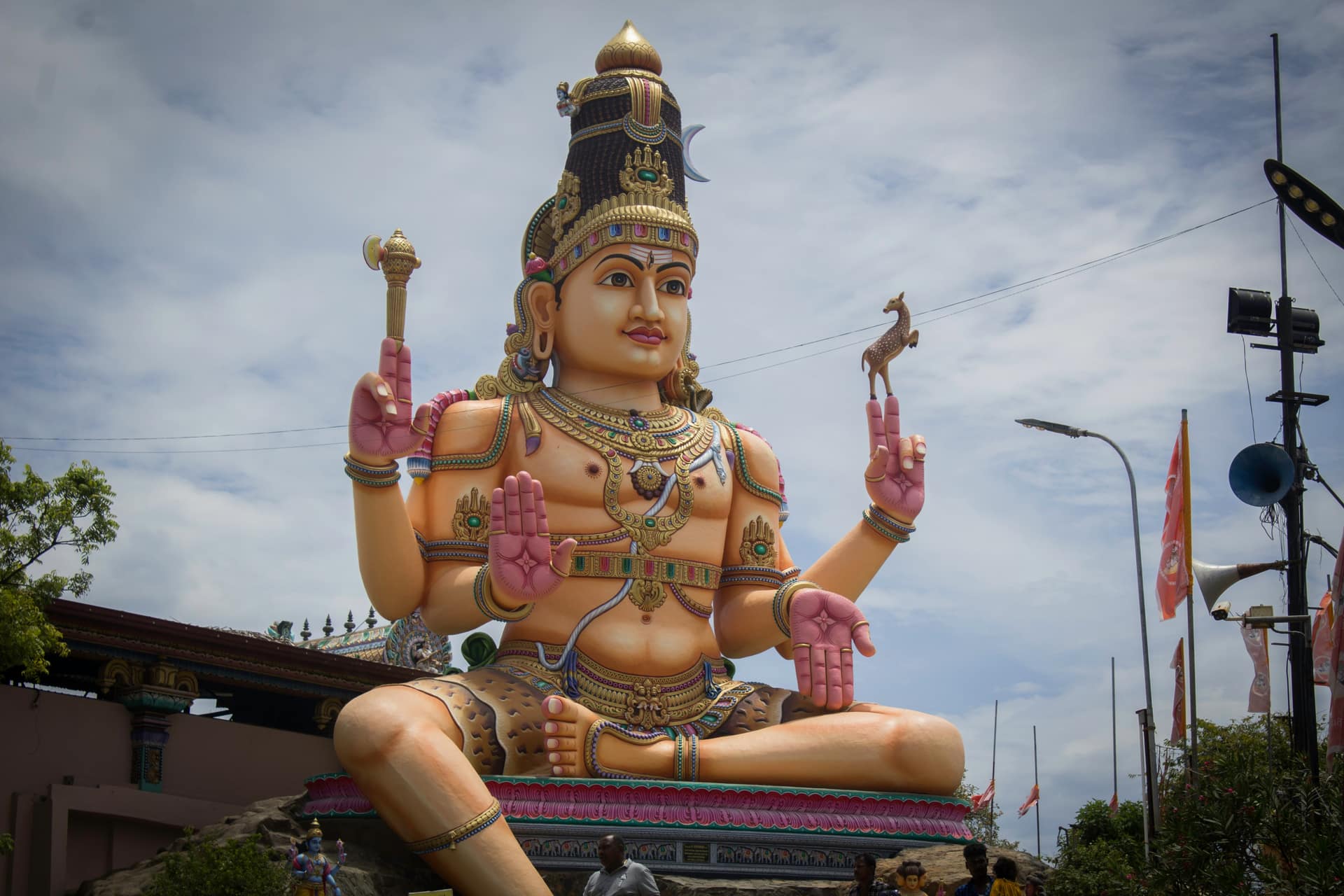
Pigeon Island National Park, a short boat ride off Nilaveli, is the highlight, with snorkelling over coral and frequent sightings of blacktip reef sharks and turtles. Koneswaram Temple, a Hindu temple on the cliffs of Swami Rock, is at its most atmospheric at sunset. Whale watching from Trincomalee runs roughly May to September; ask locally about current sightings.
- →Nilaveli: long, quiet beach; closest to Pigeon Island.
- →Uppuveli: closer to town, with more restaurants.
- →Pigeon Island: snorkel from the beach; do not touch or stand on the coral.
- →Koneswaram Temple: cover shoulders and knees, remove shoes.
Ending the route in Kandy and Ella
The second half of the May to September route runs south-west from Trincomalee to Kandy, roughly four to four and a half hours, then takes the train into the hills. The hill country gets some rain from the south-west monsoon in these months, particularly around Nuwara Eliya and Hatton, but Ella, on the drier eastern side of the hills, is often clearer.
The drawback is day 10: Ella to Bandaranaike International Airport is a long drive, roughly five and a half to six and a half hours via the expressways. With an early flight, swap the second Ella night for a last night near the airport in Negombo.
- →Evening flight: stay two nights in Ella and drive on day 10.
- →Morning flight: one night in Ella, then drive to Negombo on day 9.
- →Rain in the hills: board the train at Nanu Oya and keep day 9 flexible.
Planning the May to September version
July and August are busy months for European and Middle Eastern family travel and for the Kandy Esala Perahera, which usually falls in July or August with dates that shift each year with the lunar calendar. Book the train, Trincomalee hotels and Kandy rooms early, especially if your dates overlap the festival.
Lankan Stays & Trails plans the east coast version with a driver throughout, including the long last day. Our Kandy Esala Perahera and Cultural Treasures tour covers the same Cultural Triangle and Minneriya elephants for travellers who want the festival.
Frequently asked questions
Is Sri Lanka good to visit from May to September?
Yes, if you follow the weather. The south-west monsoon affects the south and west coasts, but the east coast around Trincomalee is dry and calm, the Cultural Triangle is dry, and the Minneriya elephant Gathering peaks roughly July to September. It is a very good season with the right route.
Which beach is best in Sri Lanka in July and August?
The east coast: Nilaveli and Uppuveli near Trincomalee, Pasikudah further south, and Arugam Bay for surfing. All are in their dry, calm season from roughly May to September, while Mirissa, Unawatuna and Bentota face the monsoon swell.
Can I still see a safari in Sri Lanka from May to September?
Yes. The Minneriya elephant Gathering is at its best roughly July to September, making the Cultural Triangle safari a highlight. Yala is also open for much of this period but usually closes for part of roughly September to October, and Udawalawe stays open all year.
How far is Trincomalee from Sigiriya?
Roughly two and a half to three hours by car, around 100 kilometres through the dry zone via Habarana. From Trincomalee to Kandy is roughly four to four and a half hours, which is why the May to September route visits Kandy after the coast rather than before.
Is Ella rainy from May to September?
Ella can see showers in these months, but it sits on the drier eastern side of the hill country and is often clearer than Nuwara Eliya and Hatton, which face the south-west monsoon. Mornings are usually the best time for walks.
Can I see whales on the east coast?
Yes. Whale watching from Trincomalee runs roughly May to September, the same window as this version of the route, with shorter runs to the whale grounds than Mirissa. Sightings vary by year, so ask locally about recent trips. The seas around Pigeon Island are usually calm for snorkelling too.