
Quick answer
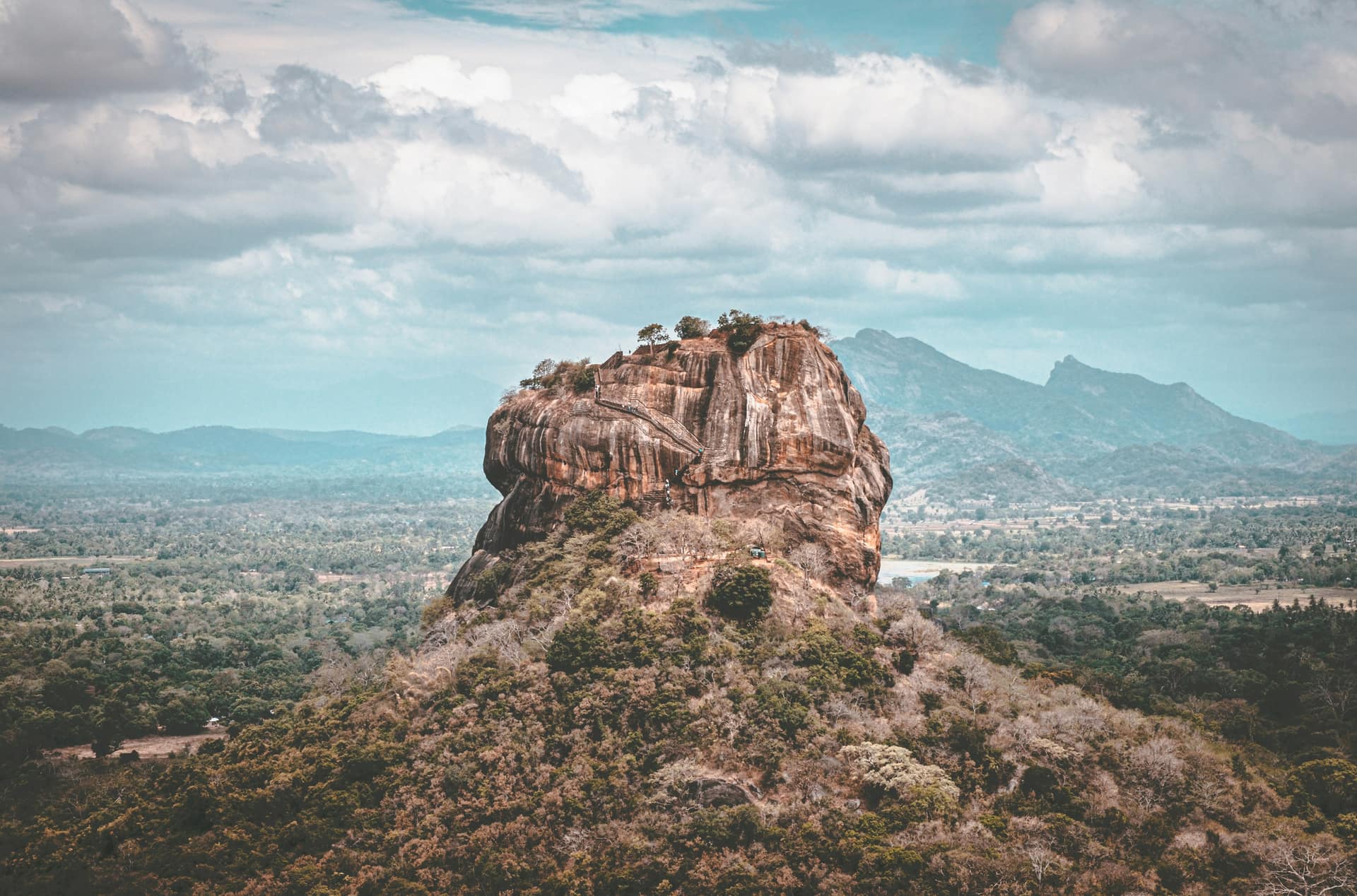
Day 2 of this 12-day Alps-to-beach itinerary is spent climbing Sigiriya rock fortress, roughly 1,200 steps and 2 to 3 hours return, started early in the morning to beat both the tropical heat and the crowds that build by mid-morning. The middle of the day is kept free to rest through the hottest hours, before an afternoon visit to Dambulla's cave temples, roughly 30 to 45 minutes from most Cultural Triangle bases.
Key takeaways
- Sigiriya rock fortress involves a climb of roughly 1,200 steps, with the return trip typically taking 2 to 3 hours including time at the summit.
- Starting the climb by around 7am, or earlier in peak season, avoids both the harshest heat and the largest crowds, which build noticeably by mid-morning.
- Midday temperatures in the Cultural Triangle regularly reach the low-to-mid 30s Celsius, making a rest through the middle of the day a practical necessity, not just a comfort choice.
- Dambulla's cave temples, a UNESCO World Heritage site with five caves of Buddhist murals and statues, sit roughly 30 to 45 minutes from most Sigiriya or Habarana bases.
- The final ascent at Sigiriya includes steep metal staircases and some exposed sections, worth factoring in for travellers with limited mobility or a fear of heights.
Why day 2 starts before sunrise
Sigiriya rock fortress rises roughly 200 metres above the surrounding plain, and the climb to its summit runs to roughly 1,200 steps in total, a mix of stone stairways, terraced paths and, near the top, steep open metal staircases. Most of this is manageable for a reasonably fit traveller of any age, but it is not a stroll, and doing it in direct tropical sun adds a level of difficulty that an early start avoids entirely.
Gates typically open early, and starting the climb by around 7am, sometimes earlier during peak season, means reaching the summit before both the heat and the tour bus crowds build. Later starts are possible but noticeably less comfortable, with queues forming at the narrower sections of the final ascent.
- →Total climb: roughly 1,200 steps, 2 to 3 hours return including time at the top.
- →Best starting window: early morning, ideally by around 7am.
- →Reason for the early start: cooler temperatures and far fewer people on the narrower upper sections.
What the Sigiriya climb actually involves
The route up passes the famous Sigiriya frescoes partway up, sheltered in a gallery cut into the rock face, and continues through the Mirror Wall before the final, steepest stretch to the summit, where the ruins of a fifth-century royal palace remain. The views from the top stretch out across the surrounding forest canopy and, on a clear morning, are genuinely one of the itinerary's real highlights rather than an incidental stop along the way.
The final staircases are open, metal-framed and can feel exposed, so travellers uneasy with heights should know this in advance rather than discovering it partway up. Sturdy shoes, water and a hat are all genuinely worth carrying, since shade is limited for much of the ascent up.
A guide at the base can point out details easy to miss when climbing independently, the water gardens laid out symmetrically at ground level, the boulder gardens partway up, and the lion's paw carvings that give the site its name (Sigiriya translates roughly as Lion Rock). Hiring one on the day is generally straightforward, though arranging it in advance through a driver-guide avoids any uncertainty at the gate. A knowledgeable guide can also help pace the climb sensibly, useful for anyone unsure how their body will handle the combination of heat and exertion.
- →Sigiriya frescoes: ancient paintings sheltered in a rock-cut gallery partway up the climb.
- →The Mirror Wall: a polished surface historically inscribed with centuries-old visitor graffiti.
- →The summit: ruins of a fifth-century royal palace with panoramic forest views.
The midday rest, not an optional extra
By late morning in the Cultural Triangle, temperatures regularly climb into the low-to-mid 30s Celsius with high humidity, a combination that makes further outdoor activity genuinely uncomfortable rather than merely inadvisable. The itinerary deliberately leaves the middle of the day free, typically back at the hotel for lunch, a swim if the property has a pool, or simply resting in the shade.
This rest period is not padding. After an early wake-up and a physically demanding climb, most travellers need the recovery time before an afternoon that still has sightseeing on the schedule, and pushing straight into another activity tends to show up as fatigue later in the day.
Many Cultural Triangle hotels are built with this exact rhythm in mind, open-sided lobbies, ceiling fans and pools designed for a midday dip rather than sunbathing, since few guests are outdoors between roughly 11am and 2pm at this time of year in this part of the country. Lunch is generally a lighter, simpler affair than dinner, in keeping with a body that has already done its main exertion for the day.
Dambulla's cave temples in the afternoon
Dambulla Cave Temple, a UNESCO World Heritage site roughly 30 to 45 minutes from most Sigiriya or Habarana bases, sits inside a cooler rock overhang rather than in open sun, which makes it a comfortable choice for the afternoon slot. Five interconnected caves hold Buddhist statues and ceiling murals dating back more than two thousand years, with the largest cave alone housing dozens of figures.
There is a shorter approach climb to reach the caves, but it is a fraction of Sigiriya's ascent and shaded for much of the way, making it a realistic activity for a body that has already done its main physical work earlier in the day. Modest dress, shoulders and knees covered, is expected at the temple, and shoes come off before entering.
- →Dambulla holds five caves with Buddhist statues and murals spanning over two thousand years.
- →The approach to the caves is a shorter, mostly shaded climb compared with Sigiriya's exposed ascent.
- →Modest dress and bare feet are required inside the cave temples.
Practical notes for the day
Sunscreen, a hat and at least a litre of water per person are worth carrying for the Sigiriya climb specifically, since shade is limited and the exertion is real even for fit travellers. A small entry fee applies at both Sigiriya and Dambulla, and current pricing is worth confirming before travel since it has changed at both sites in recent years, with foreign visitor rates typically set considerably higher than local rates at both.
Lankan Stays & Trails typically times this day around an early hotel breakfast or a packed breakfast to eat after the descent, since climbing on an empty stomach before dawn is uncomfortable for most travellers and eating immediately before climbing is not much better.
Footwear matters more here than on most other days of the itinerary. Closed, supportive shoes with decent grip handle the mix of stone and metal surfaces far better than sandals, and a spare pair of socks in a day bag is a small comfort worth having if the first pair gets damp with sweat on the way up.
Winding down before day 3
Evening back at the Cultural Triangle base is generally unstructured, dinner and an early night, since day three brings a transfer to Kandy with an optional stop at Polonnaruwa's ancient ruins along the way. Two genuinely full days of activity back to back mean day two's rest windows matter as much as its sightseeing.
Anyone who found the Sigiriya climb more demanding than expected should mention it to their driver-guide, since the pace for the rest of the trip, particularly the Horton Plains walk later in the hill country stretch, can be adjusted accordingly.
Some travellers also use the evening to look back at photos from the climb and the caves, since the two sites offer such a contrast, exposed rock and open sky at Sigiriya against the cool, dim interior of Dambulla, that it helps to reflect on both while the day is still fresh rather than letting the details blur together over the following days of driving.
Frequently asked questions
How many steps are there to climb Sigiriya?
Roughly 1,200 steps in total, combining stone stairways, terraced paths and, near the summit, steep open metal staircases. Most reasonably fit travellers manage it, with the full return trip typically taking 2 to 3 hours including time at the top.
What time should you start the Sigiriya climb?
Ideally by around 7am, earlier during peak season. Starting early avoids the strongest heat of the day and the crowds that build at the narrower upper sections by mid-morning, making the whole climb noticeably more comfortable.
Is Sigiriya suitable for someone afraid of heights?
The final ascent includes steep, open metal staircases that can feel exposed, so travellers uneasy with heights should be aware in advance. Most of the earlier route is less exposed, but the summit stretch is the point to plan around.
What is there to see at Dambulla cave temples?
Dambulla holds five interconnected caves with Buddhist statues and ceiling murals dating back more than two thousand years, the largest cave housing dozens of figures. It sits inside a cool rock overhang, making it a comfortable afternoon stop after the Sigiriya climb.
Why does the itinerary leave the middle of day 2 free?
Midday temperatures in the Cultural Triangle regularly reach the low-to-mid 30s Celsius with high humidity, making further activity genuinely uncomfortable after an early climb. The rest period allows recovery before the cooler, shaded afternoon visit to Dambulla.
Do you need to dress a certain way for Dambulla?
Yes, modest dress covering shoulders and knees is expected, and shoes come off before entering the caves. This applies at most Buddhist temple sites across the itinerary, not only Dambulla.
How far is Dambulla from Sigiriya?
Roughly 30 to 45 minutes by road from most Sigiriya or Habarana bases, making it a straightforward afternoon addition to day two without a long additional transfer.