
Quick answer
A budget 7-day Sri Lanka itinerary follows the railway-based route through Kandy, the train to Ella and the south coast, using family-run guesthouses, second- or third-class train seats, buses and ride-hailing tuk-tuks. Swap Sigiriya's high entry fee for Pidurangala Rock's much cheaper climb, eat at local rice-and-curry restaurants, and choose free sights such as the Nine Arch Bridge and Little Adam's Peak. Spend where it matters: a reserved train seat and one well-chosen safari or boat trip.
Key takeaways
- Accommodation and transport are the two largest costs on a Sri Lanka week, and both have very cheap options.
- Pidurangala Rock costs a fraction of the Sigiriya entry fee and gives the classic view of Sigiriya.
- The Nine Arch Bridge, Little Adam's Peak, Kandy Lake and the Galle Fort ramparts are all free.
- Second- and third-class train fares are very low; reserved seats are worth paying for on the Kandy to Ella line.
- Entry fees for foreign visitors at major sites are typically quoted in US dollars and can be the largest single costs of a budget week.
Where the money goes on a 7-day Sri Lanka itinerary
On a typical 7-day Sri Lanka itinerary, the largest costs are accommodation, transport, and entry fees at the major sites. Food, particularly local food, is inexpensive. On a budget, each of the three big costs can be reduced substantially.
Entry fees deserve particular attention. Sigiriya, the Cultural Triangle sites, the national parks and some temples charge foreign visitors considerably more than local rates, typically quoted in US dollars. On a budget week, they can add up to more than accommodation, so choosing which to pay for is one of the most important decisions.
Prices change, sometimes quickly, so confirm current fees and fares when planning rather than relying on older figures.
- →Accommodation: guesthouses and homestays are very affordable.
- →Transport: trains and buses cost very little.
- →Entry fees: the largest variable; choose carefully.
- →Food: local restaurants are inexpensive.
The budget week, day by day
The budget version follows the public-transport logic of the railway: Kandy, the train to Ella, and the south coast, with the Cultural Triangle reached by bus or a shared transfer. It uses three bases with two nights each, which also reduces the number of transport legs to pay for.
It keeps every major region except the ancient capitals, and swaps the most expensive paid sights for cheaper or free alternatives where the experience is comparable.
- →Days 1 and 2: Sigiriya area by bus or shared transfer; Pidurangala at sunrise; Dambulla Cave Temple.
- →Day 3: Bus to Kandy; Kandy Lake and the Temple of the Sacred Tooth Relic.
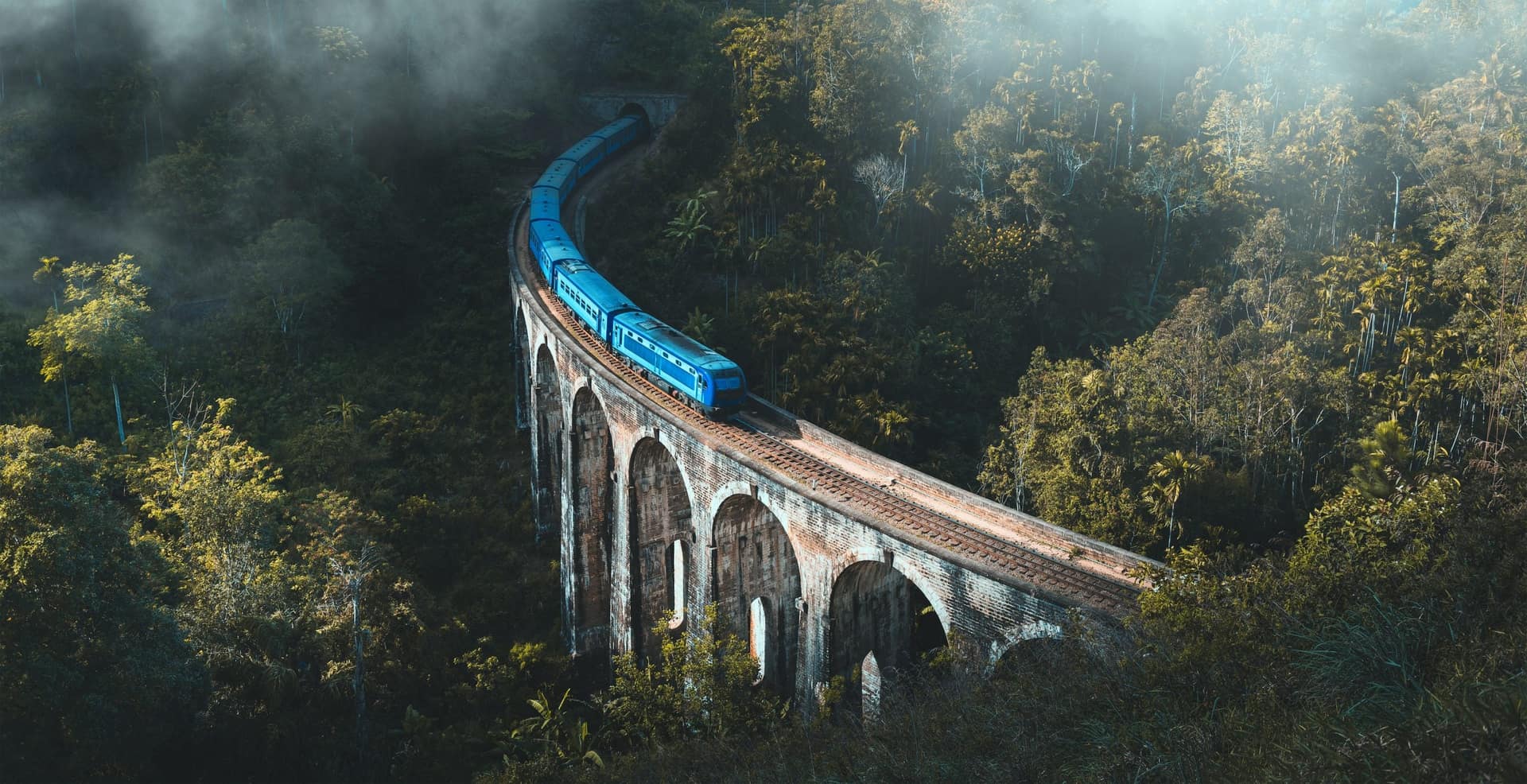
- →Day 4: Train to Ella in second or third class.
- →Day 5: Free dawn walks at the Nine Arch Bridge and Little Adam's Peak; bus towards the coast.
- →Day 6: Mirissa or Weligama beach; a surf lesson or whale trip if the budget allows.
- →Day 7: Train or bus to Galle Fort's free ramparts, then onward to the airport.
Sleeping cheaply
Family-run guesthouses and homestays are the backbone of budget travel in Sri Lanka and among the best places to stay at any budget. Many offer clean, simple rooms, a home-cooked breakfast and hosts who can arrange local transport and guides.
Ella, Mirissa and Weligama also have a strong hostel scene, with dormitories and private rooms. In Sigiriya and Kandy, guesthouses a little way from the centre are cheaper and often quieter. Prices rise in the December to April high season, especially around Christmas and New Year.
Travelling in the shoulder months of April or October to November, or on the east coast from May to September, typically brings lower rates at the same guesthouses. Booking directly with small family-run places, where possible, can also help, since more of the money stays with the host.
Moving cheaply
Trains and buses are very inexpensive in Sri Lanka. The Kandy to Ella train in second or third class costs very little, and a reserved seat, where available, is worth the small extra cost for a six- to seven-hour journey. Intercity buses are frequent and cheap, and expressway buses between Colombo, Galle and Matara are faster.
Ride-hailing apps operate in Colombo, Kandy, Galle and some other towns, giving upfront prices for tuk-tuks that remove the need to haggle. Elsewhere, agree tuk-tuk fares before setting off.
The one leg where a shared or private taxi can be worth paying for is Ella to the south coast, which takes roughly five to seven hours by bus with a change, and roughly four to five by car.
- →Train: very cheap; pay for a reserved seat on the Kandy to Ella line.
- →Buses: frequent and cheap; expressway buses are faster.
- →Tuk-tuks: use apps where available, or agree fares first.
- →Consider a shared taxi for Ella to the coast.
Free and cheaper alternatives to paid sights
Several of the best experiences on the classic route are free. The Nine Arch Bridge and Little Adam's Peak in Ella, Kandy Lake, the Galle Fort ramparts, Coconut Tree Hill in Mirissa and the beaches cost nothing at all.
Where there is a paid sight, there is often a cheaper alternative. Pidurangala Rock costs a fraction of the Sigiriya ticket and gives the famous view of Sigiriya at sunrise; it lacks the frescoes and palace ruins, but many budget travellers consider it the better experience. The Dambulla Cave Temple is much less expensive than the Cultural Triangle's major ticketed sites.
- →Free: the Nine Arch Bridge, Little Adam's Peak, Kandy Lake, the Galle ramparts, Coconut Tree Hill.
- →Cheaper: Pidurangala instead of Sigiriya.
- →Good value: the Dambulla Cave Temple.
Where spending a little more is worth it
A budget week is better if the savings are spent on a few things that matter. A reserved train seat on the Kandy to Ella line is the first. One carefully chosen paid experience, a jeep safari at Minneriya or Udawalawe, or a whale-watching trip from Mirissa, is the second.
The third is safety. Travel insurance, a reliable driver for any night journey, and a responsible whale or safari operator are all worth paying for, even on the tightest budget.
Budget travellers are also more exposed to the cheapest, least ethical options, such as jeep drivers who chase leopards or hatcheries that let visitors handle turtles. Paying slightly more for a responsible operator protects the wildlife and usually gives a better experience.
Planning a budget week
Book the Kandy to Ella train early, since cheaper reserved seats sell out first in high season. Keep the rest of the week flexible, since guesthouses can often be booked a few days ahead outside the peak weeks.
Lankan Stays & Trails arranges single transfers for budget travellers who want a driver only for the hardest legs, which is often the best value compromise. The site's wider budget guide covers costs in more detail.
Frequently asked questions
Can you do Sri Lanka cheaply in a week?
Yes. Family-run guesthouses, trains, buses and local food keep costs low, and many of the best sights, including the Nine Arch Bridge, Little Adam's Peak and the Galle Fort ramparts, are free. Entry fees at major sites are the biggest variable cost.
Is Pidurangala a good alternative to Sigiriya?
For budget travellers, often yes. Pidurangala costs a fraction of the Sigiriya entry fee, takes roughly 45 to 60 minutes each way, and gives the classic sunrise view of Sigiriya. It lacks Sigiriya's frescoes and palace ruins, so history lovers may still prefer the main rock.
How cheap is the train in Sri Lanka?
Very cheap, especially in second and third class. A reserved seat on the Kandy to Ella line costs a little more and is worth it for a six- to seven-hour journey. Fares change, so check current prices when booking.
What are the free things to do in Sri Lanka?
The Nine Arch Bridge and Little Adam's Peak in Ella, Kandy Lake, the Galle Fort ramparts, Coconut Tree Hill in Mirissa and the beaches are all free. Many village temples welcome visitors for a small donation rather than a fixed fee.
Are entry fees expensive in Sri Lanka?
For foreign visitors, major sites such as Sigiriya, the ancient cities and the national parks charge considerably more than local rates, typically quoted in US dollars. On a budget week, they can be among the largest costs, so choose which to pay for.
Where should I stay in Sri Lanka on a budget?
Family-run guesthouses and homestays, which are clean, friendly and often include a home-cooked breakfast. Ella, Mirissa and Weligama also have hostels. Staying slightly outside town centres is usually cheaper and quieter.