
Quick answer
A Diwali trip to Sri Lanka works well for Ramayana movie fans. Deepavali is a public holiday in Sri Lanka, celebrated by Tamil Hindus with lamps, temple pujas and sweets. Late October and November bring inter-monsoon rain to much of the island, so plan for afternoon showers. The hill country sites, Seetha Eliya and Ella, plus Munneswaram and Kelaniya near Colombo, make a good five to seven day route.
Key takeaways
- Diwali celebrates Rama's homecoming after defeating Ravana.
- Deepavali is a public holiday in Sri Lanka, celebrated by Tamil Hindus.
- Late October and November bring inter-monsoon rain; plan for showers.
- Hill country sites and those near Colombo suit the season.
- Book early, as Diwali is a busy travel period.
Diwali and the Ramayana
In North India especially, Diwali marks the return of Rama, Sita and Lakshmana to Ayodhya after fourteen years of exile and the defeat of Ravana. The lamps lit across the city welcomed them home.
Other regions link Diwali to other stories, such as Krishna's victory over Narakasura, but the Ramayana connection is the most widely known. For families who have just watched the film, travelling at Diwali gives the festival extra meaning.
Visiting the places where tradition says the story unfolded, and then lighting lamps for Rama's homecoming, brings the epic full circle.
The film's own release at Diwali underlines the link. Many families watched it during the festival, and the questions children asked on the way home, about Lanka, Hanuman and Sita, are often what start the planning for a trip like this.
Deepavali in Sri Lanka
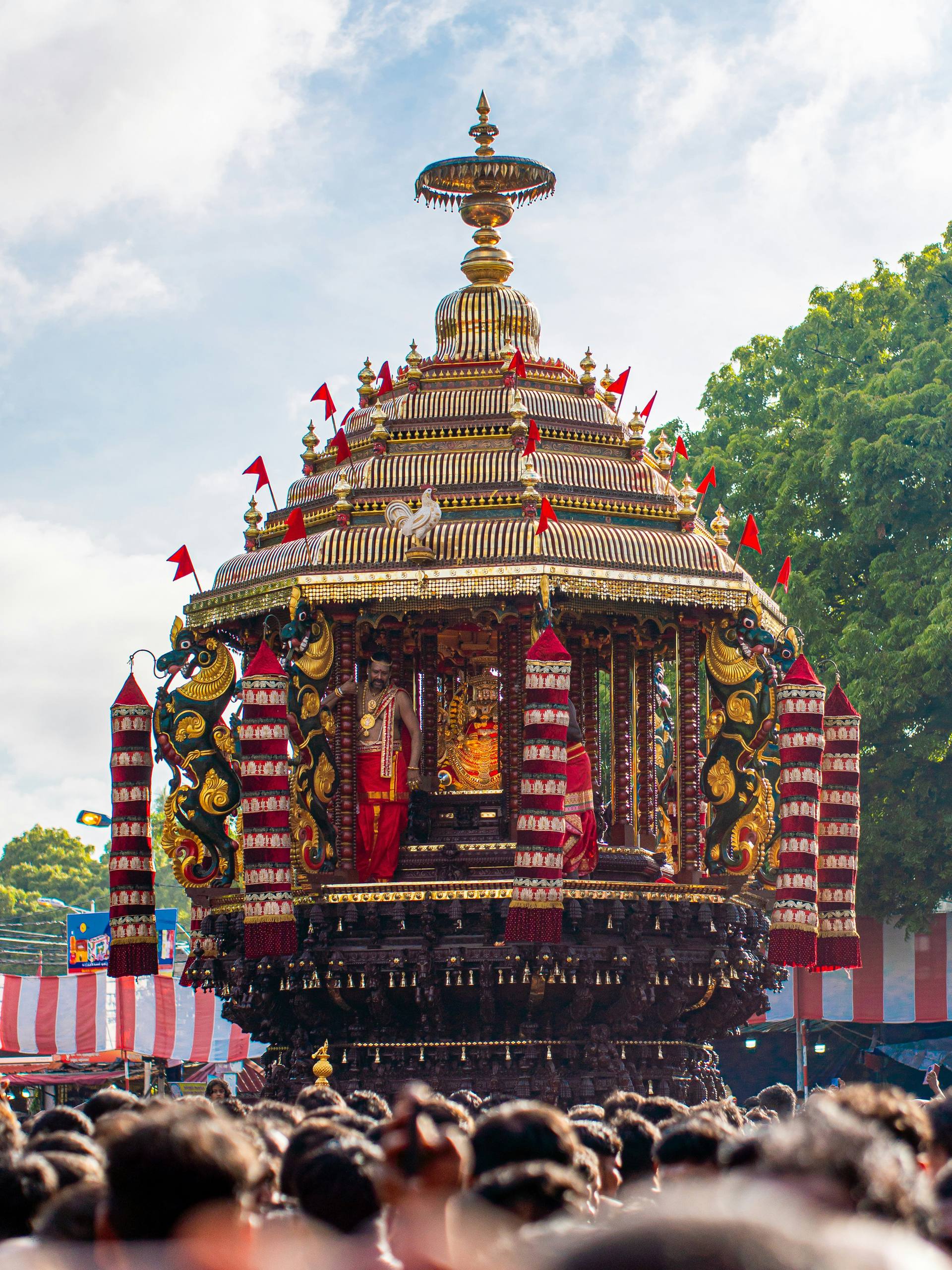
Deepavali is a public holiday in Sri Lanka, celebrated mainly by Tamil Hindus. Homes are lit with oil lamps, families visit temples, wear new clothes and share sweets, and some fireworks are set off in the evening.
The biggest celebrations are in the north and east, around Jaffna and Trincomalee, and in Colombo, where Hindu temples along Galle Road and in Wellawatte fill with worshippers. Hill country kovils, including the Seetha Amman Temple, also hold special pujas.
Indian visitors are warmly welcomed at temple celebrations. Joining a Deepavali puja in Sri Lanka is a moving experience for many families.
- →Public holiday in Sri Lanka.
- →Biggest celebrations: north, east and Colombo.
- →Special pujas at hill country kovils.
Weather in the Diwali season
Diwali falls in late October or November. This is the inter-monsoon period, when much of Sri Lanka gets afternoon showers and thunderstorms. The north and east enter their wetter season, and the south-west is often rainy too.
Mornings are usually clearer, so plan site visits early and keep afternoons flexible. The hill country is green and lush, and waterfalls, including Ravana Falls, are at their fullest.
Rain rarely stops a trip, but pack a rain jacket, umbrella and quick-dry clothes, and allow extra time for drives.
- →Late October to November: inter-monsoon showers.
- →Mornings: usually clearer.
- →Waterfalls: at their fullest.
A Diwali route
A five to seven day route works well: Munneswaram near Chilaw, Kandy, Ramboda, Seetha Eliya, Hakgala, Divurumpola and Ella, with Kelaniya near Colombo at the end. These places are easy to reach even in wet weather.
If Diwali falls during your trip, celebrate at the Seetha Amman Temple or at a Colombo kovil. Lankan Stays & Trails can time the route so you are near a temple for the festival day.
Leave the south coast and Ussangoda for a drier season, or include them if the forecast looks good.
- →Chilaw and Kandy: days one and two.
- →Ramboda, Seetha Eliya, Divurumpola: days two to four.
- →Ella and Kelaniya: days five to seven.
Booking for Diwali
Diwali is one of the busiest times for Indian travellers to Sri Lanka. Flights from Indian cities fill quickly, and hotels in Nuwara Eliya and Ella can sell out.
Book flights, hotels and drivers two to three months ahead. The hill country train to Ella is busy too, so reserve seats early.
Check the exact date of Diwali for your year, as it follows the lunar calendar and moves between late October and mid-November.
Consider travelling just before or after the festival week if your dates are flexible. Prices drop, roads are quieter and you can still catch temple celebrations in the days around Deepavali itself.
Celebrating as a family
Bring a few diyas or ask your hotel for lamps to light in the evening. Many hotels in Sri Lanka decorate for Deepavali and some offer special menus.
Sweets are widely available in Colombo and Hindu areas. Share them with your driver and guide, which is a warm gesture appreciated in Sri Lanka.
Children who watched the film at Diwali will remember lighting lamps in Lanka itself for years to come.
If you are staying at the Seetha Amman Temple area or in Nuwara Eliya over Deepavali, ask the temple priests about the evening programme. Lighting a lamp beside the stream where tradition says Sita waited is a memory many families treasure.
Frequently asked questions
Is Diwali a good time to visit Sri Lanka?
Yes, for Ramayana movie fans, though it is the inter-monsoon season with afternoon showers. Mornings are usually clear, waterfalls are full and Deepavali is celebrated across the island, especially in Tamil Hindu areas.
Is Deepavali a holiday in Sri Lanka?
Yes. Deepavali is a public holiday in Sri Lanka, celebrated mainly by Tamil Hindus with lamps, temple pujas, new clothes and sweets. The biggest celebrations are in the north, east and Colombo.
Which Ramayana sites suit a Diwali trip?
The hill country sites, Seetha Eliya, Hakgala, Divurumpola and Ramboda, plus Ravana Cave and Falls near Ella, and Munneswaram and Kelaniya near Colombo, are easy to reach even in wet weather and suit the season well.
Will rain spoil the trip?
Rarely. Showers usually come in the afternoon, so plan visits for the morning and keep afternoons flexible. Pack a rain jacket and umbrella, and allow extra driving time on wet hill country roads.
Can we celebrate Diwali at a Sri Lankan temple?
Yes. Indian visitors are warmly welcomed at Deepavali pujas. The Seetha Amman Temple, Munneswaram and Colombo's kovils hold special celebrations. Dress modestly and bring flowers or sweets as an offering.
How early should we book?
Book flights, hotels and drivers two to three months ahead. Diwali is one of the busiest periods for Indian travellers, and hill country hotels and train seats fill quickly. Earlier is better for families.
When is Diwali?
Diwali follows the lunar calendar and falls between late October and mid-November. Check the exact date for your year, and plan your trip so you are near a temple on the festival day itself.