
Quick answer
The Ramayana movie was shot largely on sets in Mumbai, but the Lanka of its story is tied by tradition to real places in Sri Lanka. The best known are the Seetha Amman Temple and Hakgala garden near Nuwara Eliya (Ashok Vatika), Ravana Cave and Ravana Falls near Ella, Ussangoda on the south coast (the burning of Lanka), Adam's Bridge off Mannar (Ram Setu), Divurumpola (Sita's fire ordeal) and Munneswaram near Chilaw. A week covers the main ones.
Key takeaways
- No Sri Lankan site was a filming location, as far as published reports show; the film built Lanka on sets and with effects.
- Tradition ties almost every Lanka scene of the epic to a real place on the island.
- The hill country around Nuwara Eliya and Ella holds the densest cluster of sites.
- Ussangoda, Rumassala, Mannar, Trincomalee and Chilaw complete the story at the edges of the island.
- These are places of living tradition and devotion, not archaeological proof, and are best visited in that spirit.
The film and the island
Nitesh Tiwari's Ramayana is a two-part Hindi epic, with Ranbir Kapoor as Rama, Sai Pallavi as Sita and Yash as Ravana. Part One, Ramayana: Rise of a Legend, reached cinemas at Diwali 2026, and Part Two is announced for Diwali 2027. Much of the Lanka story is expected to unfold in the second film.
Published reports say the production built its worlds on large sets in Mumbai and finished them with visual effects. No Sri Lankan location is known to have been used. The golden city on screen is an imagined Lanka, drawn from Valmiki's description of a city of gold on Mount Trikuta.
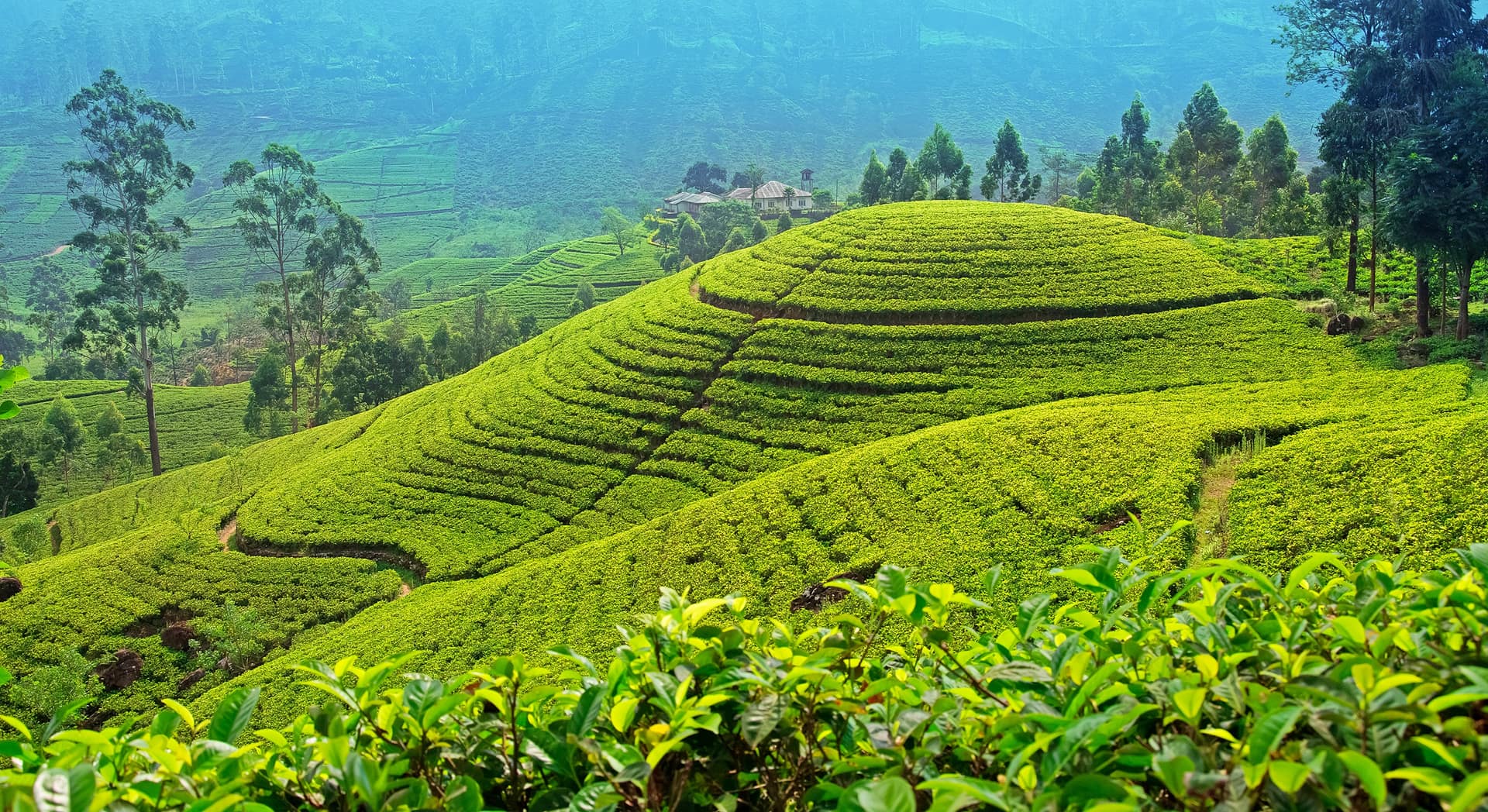
Sri Lanka's own Lanka is greener and quieter. It is a land of misty tea hills, waterfalls, temple bells and seaside rock, where local tradition and Indian pilgrims have placed the epic for generations. Walking those places after the film is a different kind of experience: slower, more personal and often more moving.
Sita's captivity: Sita Kotuwa, Ashok Vatika and Seetha Amman
Tradition says Ravana first held Sita at Sita Kotuwa, at Gurulupotha near Hasalaka, before moving her to the cool hills. There, the garden of Ashok Vatika is identified with the area around Seetha Eliya and the Hakgala botanical garden, about half an hour from Nuwara Eliya.
The Seetha Amman Temple at Seetha Eliya is the heart of the story for most visitors. A stream runs beside the brightly painted kovil, and rock marks near the water are said to be Hanuman's footprints. Families bathe their feet, offer flowers and tie wishes to the trees.
Film fans often find this the most emotional stop on the island. The scale is small and human: a stream, a shrine, a forest edge. It feels much closer to Valmiki's grieving Sita than any set could.
- →Sita Kotuwa, Gurulupotha: tradition's first place of captivity.
- →Seetha Amman Temple, Seetha Eliya: stream, shrine and footprints.
- →Hakgala garden: the wider Ashok Vatika of tradition.
Hanuman's mission and the burning of Lanka
In the epic, Hanuman leaps the sea, finds Sita, gives her Rama's ring and then sets Lanka ablaze with his burning tail. Sri Lankan tradition places the search in the hill country, and Ramboda, on the road from Kandy, is linked to his search, with the Sri Bhakta Hanuman Temple standing above the valley.
The burning of Lanka is tied to Ussangoda on the south coast, a windswept plateau of dark reddish soil above the sea. Local belief says the ground was scorched by Hanuman's fire, and few plants grow there even today.
Rumassala, the green headland above Unawatuna near Galle, is said to be a fragment of the Sanjeevani mountain Hanuman carried to heal Lakshmana. Its unusual medicinal plants are part of the legend.
- →Ramboda: Sri Bhakta Hanuman Temple on the Kandy to Nuwara Eliya road.
- →Ussangoda: the scorched plateau of the burning of Lanka.
- →Rumassala: a fallen piece of the healing mountain.
The bridge, the war and the fire ordeal
Rama's army crossed the sea by the bridge known as Ram Setu, identified with Adam's Bridge, the chain of sandbanks between Mannar and Rameswaram. From the tip of Mannar island, you look out across shallow water towards India.
Tradition places parts of the war in the central hills. Dunuvila lake and Laggala in the Matale district are linked to the final battle, and Lakegala peak is remembered as Ravana's lookout. Divurumpola near Welimada, whose name means place of oath, is where Sita is said to have undergone her trial by fire.
Vibhishana, Ravana's brother who joined Rama, was crowned king of Lanka after the war. He is honoured at a shrine within the Kelaniya temple near Colombo, where many Sri Lankans pray to him as a protector.
- →Mannar: the view towards Ram Setu.
- →Dunuvila and Laggala: the battlefields of tradition.
- →Divurumpola: the Agni Pariksha temple.
- →Kelaniya: Vibhishana's shrine.
Ravana's Lanka: caves, falls and temples
Ravana, played on screen as a towering, golden king, is remembered very differently in Sri Lanka. Many Sri Lankans see him as a great ancient ruler, a scholar and a devotee of Shiva. Ravana Cave above Ella and Ravana Falls below it carry his name and the story of Sita hidden in the hills.
Koneswaram on Swami Rock in Trincomalee honours Ravana as a worshipper of Shiva, and the fissure called Ravana's Cleft is said to be cut by his sword. Sigiriya's rock fortress is often called Ravana's palace online, though it was built in the fifth century CE by King Kashyapa.
Munneswaram near Chilaw closes the story. Tradition says Rama worshipped Shiva there after the war, to atone for killing Ravana, and nearby Manavari holds a lingam he is said to have installed.
How to see these places in one trip
Most film fans see the hill country sites in two or three days, based in Nuwara Eliya and Ella, with Kandy or Chilaw on the way in. Adding the south coast for Ussangoda and Rumassala makes a natural week. Mannar and Trincomalee suit a longer trip or a second visit.
Lankan Stays & Trails builds Ramayana trips around the story, with driver-guides who know the legends at each site and can tell them in Hindi, Tamil or English. Ask for the route to follow the film's order, or the road's, whichever your family prefers.
Go with an open heart. These places are sacred to Hindus and woven into Sri Lankan identity, and the welcome is warm for those who arrive with respect.
Frequently asked questions
Was the Ramayana movie filmed in Sri Lanka?
As far as published reports show, no. The film was shot largely on sets in Mumbai, and its Lanka was created with sets and visual effects. The real places tradition links to the story are in Sri Lanka and can be visited.
Where is Ashok Vatika in real life?
Tradition places Ashok Vatika around Seetha Eliya and the Hakgala botanical garden, near Nuwara Eliya in Sri Lanka's hill country. The Seetha Amman Temple, beside a stream at Seetha Eliya, is the main shrine for visitors.
Which Ramayana movie scenes have real places in Sri Lanka?
Sita's captivity, Hanuman's search, the burning of Lanka, Ram Setu, the war, Sanjeevani, Sita's fire ordeal, Vibhishana's coronation and Rama's worship after the war are all tied by tradition to real places across the island.
How many days do we need to see the movie's places?
Three days covers the hill country sites around Nuwara Eliya and Ella. A week adds Kandy, the south coast and Chilaw. Mannar and Trincomalee in the north and east need another two or three days.
Are these sites historically proven?
No. They are identifications made by local tradition and pilgrims over a long time, not archaeological findings. Visit them as places of devotion and story, which is how Sri Lankans and Hindu pilgrims treat them.
Is Sigiriya the Lanka palace from the movie?
Sigiriya is often called Ravana's palace online, but it was built in the fifth century CE by King Kashyapa. It is a superb place to visit, and the comparison with the film's golden city is fun, but it is not a traditional Ramayana site.
Is the trip suitable for children who loved the film?
Yes. Children who watched the film usually love finding Hanuman's footprints, Ravana's cave and the scorched earth of Ussangoda. Keep driving days short and tell the story at each stop, and the trip becomes the film's best sequel.