
Quick answer
The ten Ramayana places most Indian Hindu travellers visit in Sri Lanka are Munneswaram and Manavari near Chilaw, where Rama is said to have worshipped Shiva; the Sri Bhakta Hanuman Temple at Ramboda; the Seetha Amman Temple and Ashok Vatika at Sita Eliya and Hakgala near Nuwara Eliya; Divurumpola, linked to Sita's agni pariksha; Ravana Falls and Ravana Cave near Ella; Koneswaram in Trincomalee; and Ram Setu, seen from Mannar. Eight of the ten fit a six to nine day route.
Key takeaways
- Eight of the ten places lie on one loop from Chilaw through Kandy and Nuwara Eliya to Ella; Koneswaram and Mannar need extra days.
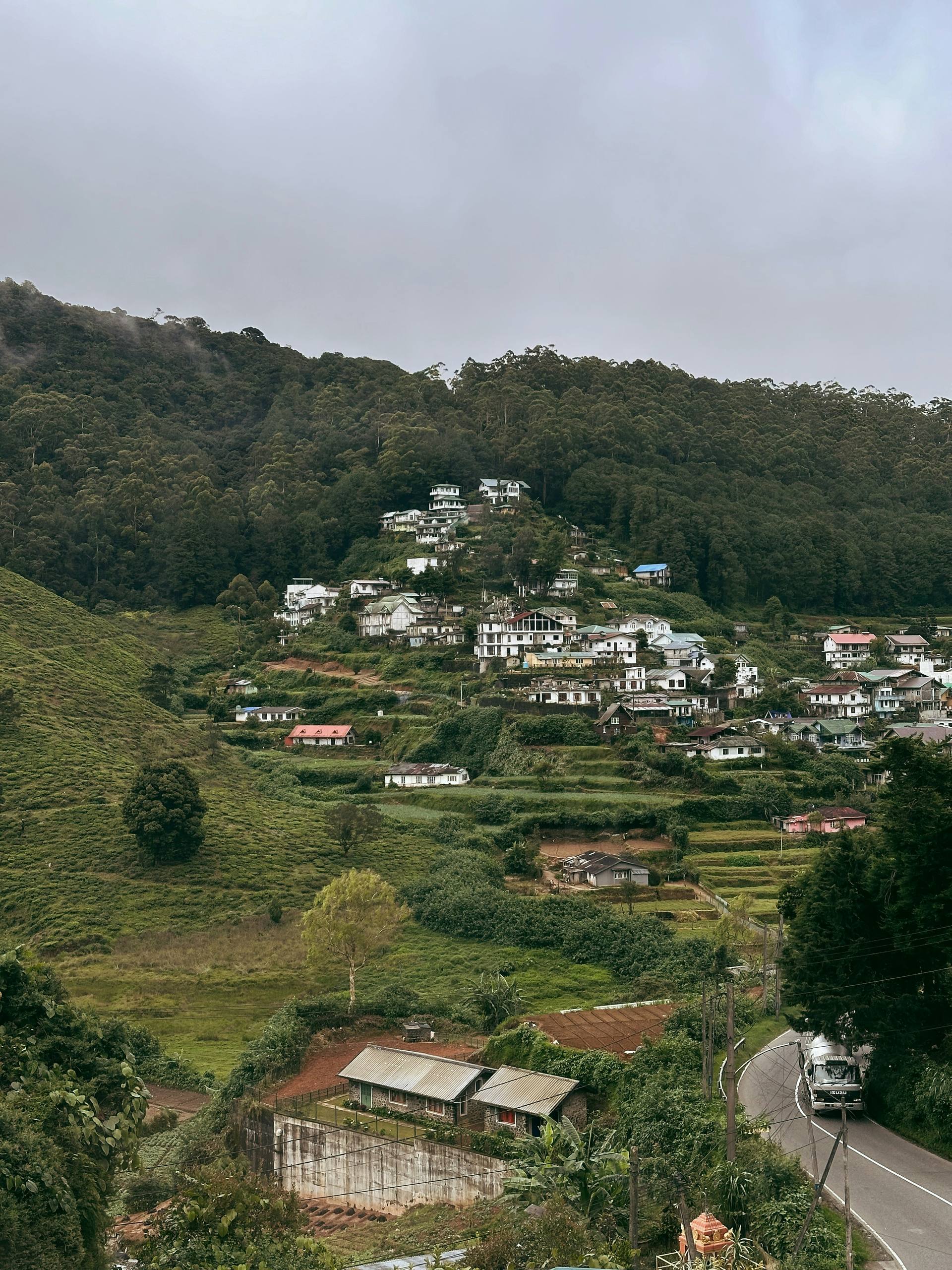
- The Nuwara Eliya area holds three places within 45 minutes: Seetha Amman Temple, Ashok Vatika at Hakgala and Divurumpola.
- Munneswaram and Manavari are the best start, roughly 1 to 1.5 hours from Colombo airport.
- Most sites are active temples, so dress for darshan: shoulders and knees covered, shoes off, and men often shirtless in inner shrines.
- The identifications are matters of faith and tradition, which is how pilgrims and priests present them.
Why these ten places
Sri Lanka's Ramayana map has grown over the past two decades, and lists now run to fifty or more sites. Many are remote rock outcrops or ruins with little to see. The ten places here were chosen for three things Indian Hindu families care about: living worship with priests and puja, a clear link to an episode of the epic, and practical access on a normal itinerary.
Together they tell the story in reverse order of the epic if you land in Colombo and travel inland. Munneswaram and Manavari recall Rama's worship after the war. Ramboda recalls Hanuman's search. Sita Eliya and Hakgala recall the captivity, Divurumpola the agni pariksha, and Ella the hiding places. Koneswaram and Mannar frame Ravana's kingdom and the bridge from India.
The list leans towards the hill country, where the strongest traditions sit. Koneswaram and Mannar are included for pilgrims with more time.
- →Living temples with daily puja: Munneswaram, Manavari, Ramboda, Seetha Amman, Koneswaram.
- →Places of story and landscape: Ashok Vatika, Ravana Falls, Ravana Cave, Ram Setu.
- →A Buddhist temple holding a Ramayana tradition: Divurumpola.
1 and 2: Munneswaram and Manavari near Chilaw
Munneswaram, just outside Chilaw on the west coast, is one of the oldest Shiva temples in Sri Lanka and one of the five Pancha Ishwarams. Tradition holds that Rama prayed here after defeating Ravana, seeking release from the sin of killing a brahmin. The temple is busy and well kept, with daily pujas and a large festival around August and September.
Manavari, a short drive away, is quieter and in some ways more intimate. Its lingam is venerated as one Rama installed himself, and local priests call it Ramalingam. Many pilgrims see Manavari as the Sri Lankan counterpart of Rameswaram in Tamil Nadu, and come to complete a vow begun there. A visit to both temples takes two to three hours.
Because Chilaw lies roughly 1 to 1.5 hours from the airport, these two temples make the natural first morning of a trail, with the night in Negombo or Kandy.
3 to 6: Ramboda, Seetha Amman, Ashok Vatika and Divurumpola
The Sri Bhakta Hanuman Temple sits on the hillside at Ramboda, on the road from Kandy to Nuwara Eliya. Run by the Chinmaya Mission, it houses a tall granite murti of Hanuman and is linked by tradition to the area where Hanuman searched for Sita. The views over tea and waterfalls make it the most peaceful stop on the climb.
Beyond Nuwara Eliya, the Seetha Amman Temple at Sita Eliya stands beside the stream where Sita is said to have bathed during her captivity. Rocks by the water carry marks venerated as Hanuman's footprints. Ten minutes further on, the gardens at Hakgala are identified with Ashok Vatika, the grove where Ravana held her. Allow a full morning for both.
Divurumpola, on the road towards Welimada, is a Buddhist temple where tradition places Sita's trial by fire. The name is understood to mean place of oath, and local people still swear binding oaths there. Families who visit it in the same morning as Seetha Amman see the beginning and the end of Sita's ordeal within an hour's drive.
- →Ramboda to Nuwara Eliya: roughly 45 minutes to an hour.
- →Nuwara Eliya to Seetha Amman Temple: about 15 minutes.
- →Seetha Amman to Hakgala: about 10 minutes.
- →Nuwara Eliya to Divurumpola: roughly 30 to 45 minutes.
7 and 8: Ravana Falls and Ravana Cave near Ella
Ravana Falls drops beside the road roughly 6 kilometres below Ella and needs no walk at all, which makes it easy for grandparents and small children. Local tradition says Sita bathed in the pool at its base, and the falls are at their fullest after rain, especially from about October to January.
Ravana Cave sits above the Ella Gap and is reached by several hundred steep steps. Tradition names it as one of the places where Ravana hid Sita, and archaeologists have found traces of prehistoric human occupation inside. The climb takes most people 20 to 30 minutes each way, so elderly relatives may prefer to rest at the bottom.
Both sites fit one unhurried morning from Ella. Pilgrim groups often light a small lamp near the falls, although neither site has a temple with a resident priest.
- →Ravana Falls: roadside, no walk, fullest after rain.
- →Ravana Cave: several hundred steps, 20 to 30 minutes each way.
- →Both together: one morning from Ella.
9 and 10: Koneswaram and Ram Setu
Koneswaram crowns Swami Rock above the sea at Trincomalee. Hindu tradition links it to Ravana, a devoted worshipper of Shiva, and a deep fissure in the cliff is called Ravana's Cleft. The temple was destroyed by the Portuguese in the seventeenth century and rebuilt in the twentieth, and the Shankari Devi shrine nearby is revered as a Shakti Peetha.
Ram Setu, called Adam's Bridge on maps, is the chain of sandbanks and shoals running from Mannar towards Rameswaram. Pilgrims cannot walk it, but from Thalaimannar the sandbanks begin just offshore, and many families offer prayers facing India. Mannar also has Thiruketheeswaram, a Shiva temple praised in the Tevaram hymns.
Both places add at least two days to a hill country trail. Trincomalee is roughly 4 to 5 hours by road from Kandy, and Mannar about 6 hours from Colombo. Families with 10 to 12 days often add Koneswaram with a beach stay in Trincomalee, and keep Mannar for a later, north-focused trip with Jaffna.
Putting the ten places together
The simplest route lands in Colombo, sees Munneswaram and Manavari on day one, drives via Kandy to Ramboda and Nuwara Eliya, spends a full day on Seetha Amman, Hakgala and Divurumpola, then continues to Ella. That covers eight places in six days. Adding Trincomalee and Koneswaram, or Mannar and Ram Setu, stretches it to nine or ten days.
Pure vegetarian food is easy to find along the route, and hotel kitchens in Nuwara Eliya and Ella are used to Jain requests if told in advance. The hill country is cool, so pack a shawl or sweater for early morning darshan. A private car and driver-guide suits most families, because sites are spread out and timings matter.
Lankan Stays & Trails builds Ramayana routes around temple timings, so that arrivals coincide with puja where possible, and uses guides who can tell the story at each site. The nine-day Ramayana trail tour covers most of this list, and can be shortened or extended to suit elders, children and the days you have.
Frequently asked questions
What are the most important Ramayana places in Sri Lanka?
For most Indian Hindu pilgrims the most important are the Seetha Amman Temple at Sita Eliya, Ashok Vatika at Hakgala, Munneswaram and Manavari near Chilaw, the Sri Bhakta Hanuman Temple at Ramboda, Divurumpola, Ravana Falls, Ravana Cave, Koneswaram and Ram Setu off Mannar.
How many days do I need to visit all ten places?
Eight of the ten fit into six days on a loop from Colombo through Chilaw, Kandy, Nuwara Eliya and Ella. Adding Koneswaram needs roughly two more days, and Mannar for Ram Setu another two, so allow nine to ten days for all ten.
Which Ramayana place should we visit first?
Most families begin at Munneswaram and Manavari near Chilaw, roughly 1 to 1.5 hours from Colombo airport. Both are active Shiva temples linked to Rama's worship after the war, and starting with puja there gives the whole journey a devotional opening.
Are the Ramayana sites in Sri Lanka suitable for elderly parents?
Most are. Munneswaram, Manavari, Ramboda, Seetha Amman and Ravana Falls need little or no walking. Ravana Cave has several hundred steep steps and Hakgala involves gentle garden paths, so elders can rest at those while younger family members go ahead.
Is vegetarian food available near the Ramayana places?
Yes. Pure vegetarian rice and curry, dosa, idli and vadai are easy to find in Chilaw, Kandy, Nuwara Eliya and Ella, and many hotels prepare Jain meals without onion or garlic if asked in advance. Tell your hotel and driver about dietary needs before you arrive.
What should Hindu pilgrims wear at Sri Lankan temples?
Cover shoulders and knees, remove shoes and leather items at the entrance, and expect men to remove shirts in some inner shrines, as in South Indian temples. Sarees, salwar kameez, dhotis and kurtas are all ideal and welcome at every site on the trail.
Can we see Ram Setu from Sri Lanka?
You can see where it begins. From Thalaimannar on Mannar island, the sandbanks of Ram Setu stretch out into the shallow sea towards Rameswaram. Access depends on local conditions and sometimes on permission, so a guide who knows Mannar is helpful.