
Quick answer
January is one of the best months to climb Adam's Peak, with frequent clear sunrises and the pilgrimage season in full swing. The route from Dalhousie takes about three to four hours up. Weekends and Duruthu poya bring very large crowds and long queues near the summit, so climb on a weekday if you can. The summit can be near freezing before sunrise, so bring warm layers.
Key takeaways
- January sits in the Adam's Peak pilgrimage season.
- Clear dawns are common in January.
- Weekends and Duruthu poya bring huge crowds.
- The climb from Dalhousie takes about three to four hours up.
- The summit is near freezing before sunrise.
The pilgrimage season in January
The Adam's Peak season begins on the Unduvap full moon in December and continues until Vesak in May. During this time, the path from Dalhousie is lit at night, and tea shops along the route stay open to serve climbers.
January falls early in the season, when enthusiasm is high and the weather in the western hills is usually dry. Many Sri Lankan families make their pilgrimage in January, often with elderly relatives and children, dressed in white.
The peak is sacred to Buddhists, who believe the footprint is the Buddha's, and to Hindus, Muslims and Christians, who associate it with Shiva and Adam. The atmosphere on the path is devotional and friendly.
- →Season from Unduvap in December to Vesak in May.
- →Path lit and tea shops open at night.
- →Sacred to four faiths.
Weather and sunrise
The western hills are usually dry in January, and clear dawns are common. On a clear morning, the summit offers views across the hill country and, at sunrise, the famous triangular shadow of the peak cast across the clouds and valleys to the west.
Clouds can still build, especially later in the month or after a warm day, and some mornings are misty at the top. There is no guarantee of a clear sunrise, but January gives better odds than most months.
The summit is cold before dawn, often near freezing with wind. The climb is warm work, so carry layers and change into dry clothes at the top.
- →Clear dawns are common.
- →The peak's shadow at sunrise.
- →Near freezing at the summit.
Crowds and timing
Weekends and poya days are by far the busiest times. On Duruthu poya and Saturday nights in January, the path can be crowded from bottom to top, with long queues on the steep final steps. Some climbers never reach the summit before sunrise.
Weekday nights are much calmer. Starting around two in the morning gives most climbers enough time to reach the summit before sunrise at about 6.20 to 6.30.
Lankan Stays & Trails plans January climbs for weekday nights wherever possible and checks the poya date before confirming a Dalhousie stay.
The route from Dalhousie
The most popular route starts at Dalhousie, also called Nallathanniya, and climbs about 5,000 steps. Most people take three to four hours up and two to three hours down, with rests at tea shops along the way.
The path passes through forest and tea, past shrines and resting places. The final section is steep, with narrow steps and handrails, and this is where queues form on busy nights.
Longer routes from Ratnapura and Kuruwita are steeper and much less crowded but take considerably longer. They suit fit walkers who want a quieter experience.
- →Dalhousie: about 5,000 steps.
- →Three to four hours up.
- →Ratnapura routes are longer and quieter.
At the summit
The summit holds a small temple area around the sacred footprint. Pilgrims ring a bell to mark the number of times they have climbed, and monks lead chanting around sunrise.
Remove shoes and hats in the shrine area and dress modestly. Find a viewing spot early, since the west-facing side, for the shadow, and the east-facing side, for the sunrise, both fill quickly.
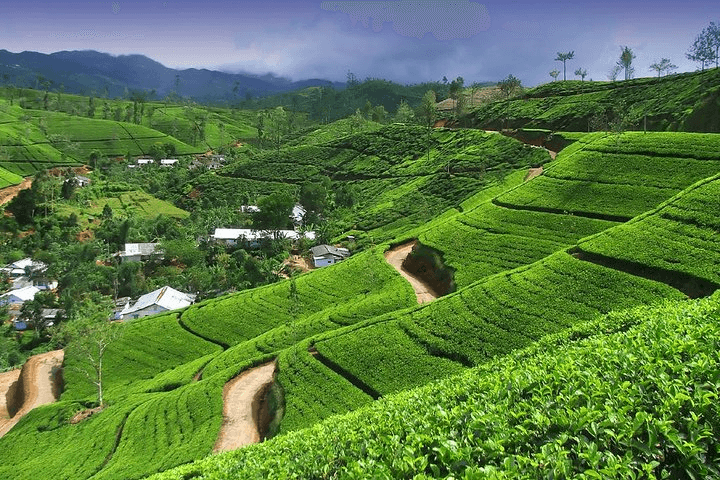
After sunrise, the descent offers views you could not see in the dark: tea estates, forests and the reservoirs of the Maskeliya valley.
- →Shoes and hats off at the shrine.
- →Arrive early for a viewing spot.
- →Descent in daylight with views.
Planning your climb
Stay the night before in Dalhousie, where guesthouses offer early wake-up calls and breakfast after the climb. Book early for weekends in January.
Bring a headtorch, warm layers, water, snacks and some cash for tea and donations. Wear trainers or light hiking shoes with grip.
Allow a rest afternoon after the climb. Many travellers continue to Nuwara Eliya, Kandy or the coast the same day, but the descent is hard on the legs.
- →Stay in Dalhousie the night before.
- →Headtorch, layers, water and cash.
- →Rest after the climb.
Frequently asked questions
Is January a good time to climb Adam's Peak?
Yes. January is in the pilgrimage season, and clear sunrises are common in the dry western hills. The main drawback is crowds, especially on weekends and Duruthu poya. A weekday climb offers the best balance of good weather and manageable crowds.
How crowded is Adam's Peak in January?
On weekends and poya days, very crowded, with long queues near the summit. Some climbers miss the sunrise. Weekday nights are much calmer. Check the Duruthu poya date before planning and avoid Saturday nights if you can.
How long does it take to climb Adam's Peak?
From Dalhousie, most people take three to four hours to climb about 5,000 steps, with rests at tea shops. The descent takes two to three hours. Start around two in the morning on a weekday to reach the summit before sunrise.
How cold is Adam's Peak in January?
The summit can be near freezing before sunrise, especially with wind. The climb itself is warm, so cold hits when you stop. Bring a fleece or down jacket, a windproof, a beanie, gloves and a dry base layer to change into at the top.
Can you see the shadow of Adam's Peak in January?
Often, yes. On clear mornings, the peak casts a triangular shadow across the clouds and valleys to the west at sunrise. January gives good odds of clear skies, but clouds can still form. Find a west-facing viewing spot early.
Do I need a guide for Adam's Peak?
No. The Dalhousie path is well marked, lit during the season and busy with pilgrims. A guide can add context about the history and beliefs around the peak, and is more useful on the longer Ratnapura route, which is quieter and less clearly marked.