
Quick answer
January suits Ayurveda in Sri Lanka because the south and west coasts, where most retreats are, are dry and calm. A stay usually begins with a consultation with an Ayurvedic doctor, followed by a programme of oil massages, herbal steam baths, dietary changes and rest. Short treatments fit into any trip, while full programmes such as panchakarma need a week or more. Book retreats early for January.
Key takeaways
- Most Ayurveda retreats are on the dry south and west coasts.
- A doctor's consultation shapes each programme.
- Treatments include oil massages, herbal baths and diet.
- Full programmes need a week or more.
- January is busy, so book retreats early.
What Ayurveda is
Ayurveda, meaning the science of life, is an ancient system of medicine based on balancing three doshas, or bodily energies: vata, pitta and kapha. Health is understood as a balance of these energies, supported by diet, herbs, treatments and lifestyle.
In Sri Lanka, Ayurveda blends with local traditions known as deshiya chikitsa, and herbal medicine is still widely used in homes and villages. Ayurvedic hospitals and doctors work alongside modern medicine.
For visitors, Ayurveda is usually experienced as a wellness programme rather than treatment for serious illness. Anyone with a medical condition should consult their own doctor first.
- →Balance of three doshas.
- →Blends with local healing traditions.
- →Wellness focus for most visitors.
Why January works
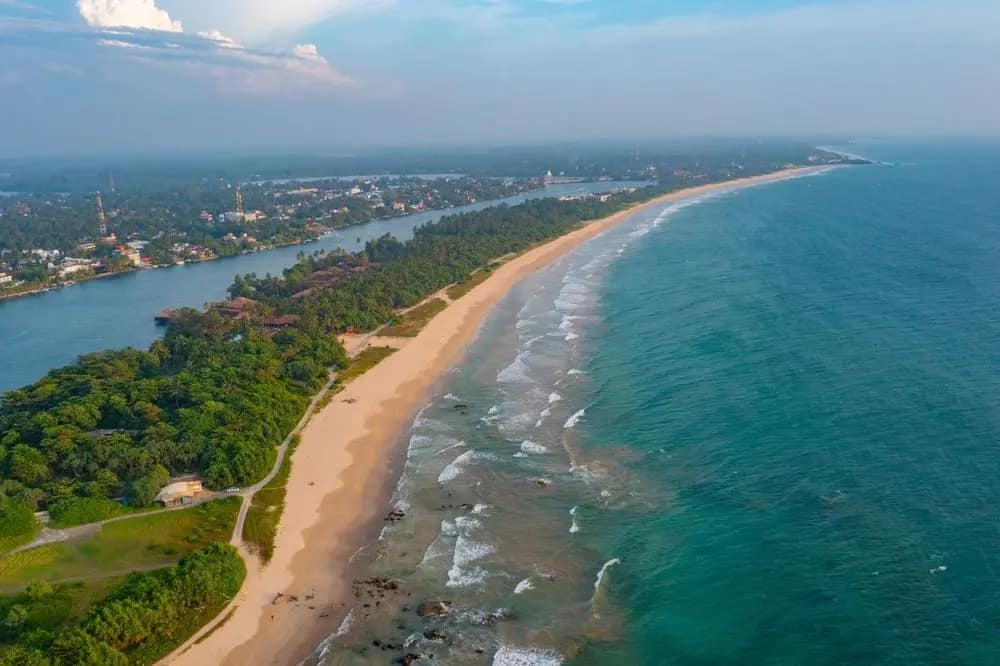
Most Ayurveda retreats are on the south and west coasts, around Bentota, Beruwala, Galle and Tangalle, which are dry and calm in January. Garden walks, yoga by the sea and quiet afternoons are easy to enjoy.
Traditional practitioners say that cooler, drier periods suit some treatments, especially those involving oils and steam. The settled weather also makes rest more pleasant.
January is a popular time for retreats among visitors from colder countries, so book well ahead, especially for the first half of the month.
- →Dry, calm south and west coasts.
- →Pleasant for rest and yoga.
- →Book early for January.
How a programme works
A stay begins with a consultation with an Ayurvedic doctor, who checks your pulse, asks about health and lifestyle and identifies your dosha balance. The doctor then prescribes treatments, herbal medicines and diet.
Treatments may include abhyanga, a full-body oil massage, shirodhara, a stream of warm oil poured on the forehead, herbal steam baths and herbal poultices. Meals follow Ayurvedic principles, often vegetarian and freshly cooked.
Panchakarma, a deeper cleansing programme, usually takes 14 days or more and follows a strict sequence. Shorter stays focus on relaxation and rejuvenation.
Short treatments or full retreats
Short treatments, such as a massage or a half-day package, are available at many hotels and Ayurvedic centres across the island, including Kandy, Ella and Sigiriya. They fit easily into a sightseeing trip.
Week-long retreats offer a fuller experience, with daily treatments, yoga and meditation. Many travellers spend the first part of their trip sightseeing and finish with a retreat on the coast.
Lankan Stays & Trails often arranges a few days of Ayurveda in Bentota or near Galle at the end of a January route, giving guests time to rest before flying home.
- →Short treatments: hours to a day.
- →Week-long retreats.
- →Panchakarma: 14 days or more.
Choosing a good centre
Look for centres with qualified Ayurvedic doctors on site, registered with the relevant national authority. A proper consultation is a sign of a serious centre.
Read reviews and ask about the doctor's qualifications, treatment rooms and hygiene. Spas offering Ayurveda-style massage without a doctor are fine for relaxation but not for a programme.
Ask what is included in the price, such as treatments, meals, yoga and herbal medicines, and whether alcohol is allowed during the programme.
- →Qualified doctors on site.
- →Clean, well-run treatment rooms.
- →Clear inclusions.
Practical tips
Avoid heavy sightseeing and alcohol during a programme, as doctors often advise rest. Long drives and safaris are best scheduled before the retreat.
Wear old clothes to treatments, as oils can stain. Many centres provide sarongs or disposable underwear.
Herbal medicines may taste bitter. Follow the doctor's advice, and tell them about any allergies or medication.
Bring a light layer for evenings, as some treatments leave you feeling cool, and a hat for garden walks in the January sun. Keep your phone use low if you can; many retreats encourage a digital rest as part of the programme.
- →Rest during a programme.
- →Old clothes for oily treatments.
- →Share allergies and medication.
Frequently asked questions
Is January a good time for Ayurveda in Sri Lanka?
Yes. January is one of the most popular months, since the south and west coasts, where most retreats are, are dry and calm. The settled weather suits rest, garden walks and yoga. Book early, especially for the first half of the month.
How long should an Ayurveda retreat be?
A few days gives a taste of relaxation treatments. A week allows a fuller programme with daily treatments, yoga and diet. Panchakarma, a deeper cleansing programme, usually takes 14 days or more. Your doctor will advise based on your goals and health.
What happens in an Ayurvedic consultation?
The doctor checks your pulse, asks about your health, diet, sleep and lifestyle and assesses your dosha balance. They then prescribe treatments, herbal medicines and diet for your stay. Tell them about any medical conditions, allergies or medication.
Where are the best Ayurveda retreats in Sri Lanka?
Many are on the south and west coasts, around Bentota, Beruwala, Galle and Tangalle, which are dry in January. There are also centres in Kandy, the hill country and the Cultural Triangle. Choose one with qualified doctors on site.
Can I combine Ayurveda with sightseeing?
Yes. Short treatments fit easily into a sightseeing trip. For a fuller programme, many travellers sightsee first and finish with several days of Ayurveda on the coast, since doctors usually advise rest during treatments.
Is Ayurveda safe?
Treatments at reputable centres with qualified doctors are generally safe for healthy adults. Anyone with medical conditions, who is pregnant or who takes medication should consult their own doctor first. Always tell the Ayurvedic doctor about allergies and medication.
Can I drink alcohol during an Ayurveda retreat?
Most doctors advise against alcohol during a programme, as it can interfere with treatments and herbal medicines. Some retreats are alcohol-free. On Duruthu poya, alcohol is not sold anyway, which fits naturally with a retreat schedule.
What should I eat during an Ayurveda programme?
Your doctor will prescribe a diet based on your dosha balance. Meals are usually freshly cooked, often vegetarian, with rice, vegetables, herbal soups and mild curries. Raw food, cold drinks, caffeine and alcohol are often limited. Most retreats prepare all meals, so there is little planning needed.