
Quick answer
A babymoon in Sri Lanka for Canadian couples generally works best when planned in the second trimester, roughly weeks 14 to 27, after discussing travel timing and any pregnancy-specific precautions with your doctor, and when the itinerary favours fewer regions, gentler activities and a beachfront or hill-country base over a packed sightseeing loop. Bentota and Nuwara Eliya are commonly chosen for their calmer pace, and safaris, long hikes and bumpy tuk-tuk journeys are typically adapted or skipped in favour of shorter, more comfortable versions.
Key takeaways
- The second trimester, roughly weeks 14 to 27, is generally considered the most comfortable window for long-haul travel, though this should always be confirmed with your own doctor given individual circumstances.
- Bentota, with its calmer river and beach setting, and Nuwara Eliya, with its cooler hill-country climate, are two of the regions most often chosen for a gentler babymoon pace.
- Bumpy jeep safaris, long hiking climbs such as Sigiriya's roughly 1,200 steps, and extended tuk-tuk journeys are the activities most commonly skipped or shortened on a babymoon itinerary.
- Food and water caution matters more than usual during pregnancy; sticking to bottled or filtered water and well-cooked food from reputable kitchens reduces avoidable risk.
- A private driver-guide rather than public transport or self-drive gives more control over pacing, rest stops and avoiding the bumpier back roads that a standard itinerary might otherwise include.
Timing a babymoon around the trimester
Many doctors consider the second trimester, roughly weeks 14 to 27, the most comfortable window for long-haul travel, since early pregnancy symptoms have generally settled and the physical demands of the third trimester have not yet begun. This is general guidance rather than a rule, and travel timing, including whether flying at all suits a particular pregnancy, should always be discussed with your own doctor first given the roughly 16 to 22-hour journey from Canada.
Most airlines also have their own policies restricting travel later in pregnancy, generally tightening from around 28 weeks onward, so confirming your airline's specific policy alongside your doctor's advice is worth doing before booking flights.
Activities to adapt or skip
A standard Sri Lanka itinerary includes several activities better adapted or skipped during pregnancy. Bumpy open-jeep safaris in parks like Yala can be genuinely jarring over rough terrain, and long climbs such as Sigiriya's roughly 1,200 steps or overnight treks like Adam's Peak are best left for a future trip rather than attempted.
Extended tuk-tuk journeys on rough back roads are another common culprit, more uncomfortable than most first-time visitors expect even without pregnancy factored in. A private driver-guide in a proper vehicle, with more frequent rest stops built into the day, replaces these more easily than public transport allows.
- →Skip or shorten: open-jeep safaris over rough terrain, particularly later in pregnancy.
- →Skip: long climbs such as Sigiriya's roughly 1,200 steps or an overnight Adam's Peak trek.
- →Adapt: swap long tuk-tuk transfers for a private car with a smoother, more comfortable ride.
- →Build in: more frequent rest stops and shorter daily driving legs than a standard itinerary.
Which regions suit a gentler babymoon
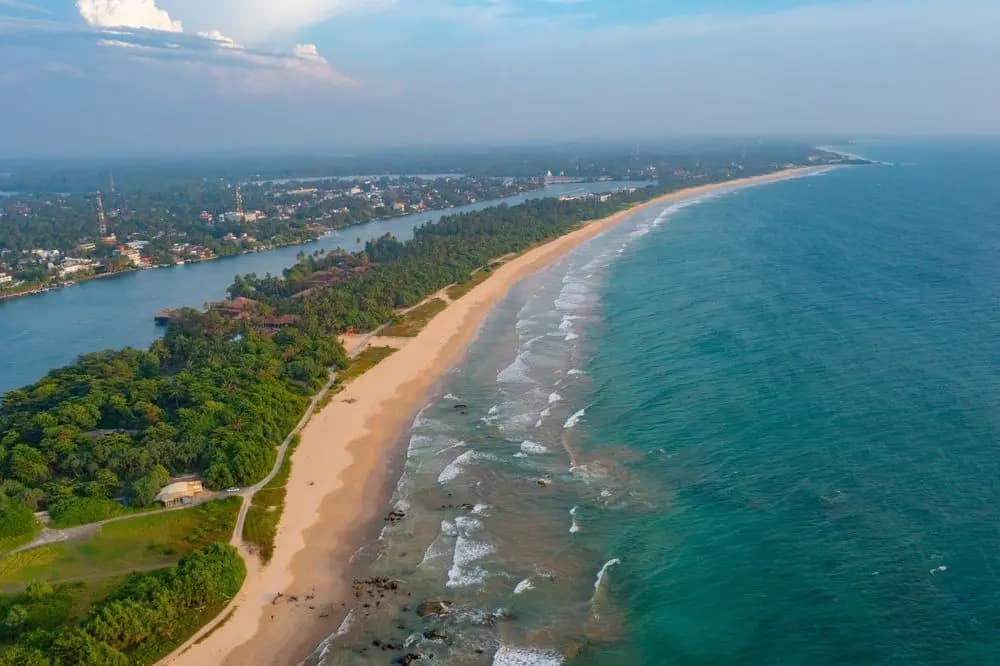
Bentota suits a babymoon well, with its calmer river and beach setting offering gentle boat rides rather than open-water excursions, and a good spread of beachfront stays with pools that suit a slower pace. Nuwara Eliya's cooler hill-country climate is a welcome change from the coastal heat and humidity, and its gardens and tea estates involve gentle walking rather than strenuous climbs.
Galle Fort works well as a low-activity, walkable stop, since its flat streets and short distances suit sightseeing without the demands of a full-day tour. Together, these three regions form a calmer version of the classic loop, prioritising comfort over covering the whole island.
Food, water and health caution
Food and water caution deserves more attention during pregnancy than on a standard trip. Sticking to bottled or properly filtered water, avoiding ice of uncertain origin, and choosing well-cooked food from reputable kitchens over street stalls of unknown hygiene standards reduces avoidable risk, particularly given how disruptive travellers' stomach upsets can be during pregnancy.
Speak with your doctor or a travel health clinic well ahead of departure about any pregnancy-specific vaccination or malaria-prevention guidance for Sri Lanka, since some standard travel medications are not recommended during pregnancy and alternatives need planning ahead of time.
Wider practicalities for a babymoon
Canadian citizens need an Electronic Travel Authorisation applied for online before departure, the same as any Sri Lanka trip. Travel insurance that explicitly covers pregnancy-related care is worth confirming before booking, since standard policies do not always include it by default.
USD is the more useful reference currency for accommodation and driver-guide pricing, with the Canadian dollar figure moving with the exchange rate. A slightly shorter overall trip length, seven to nine days rather than two weeks, is common for a babymoon given the added fatigue of travelling pregnant.
Planning your babymoon
Choosing a calmer regional loop, building in more rest, and confirming timing and precautions with your doctor well ahead of booking are the three decisions that shape a good babymoon in Sri Lanka. Lankan Stays & Trails plans babymoon itineraries as private, driver-guided trips, adjusting daily distances and activity choices around comfort rather than a fixed sightseeing list.
Couples planning their first honeymoon rather than a babymoon should read our honeymoon itinerary article instead, which is built around a different, more active pace.
Frequently asked questions
Is Sri Lanka a good babymoon destination?
Yes, with adjustments. A calmer regional loop, favouring Bentota, Nuwara Eliya and Galle Fort over a full sightseeing circuit, and skipping bumpy safaris or long climbs, makes Sri Lanka a workable babymoon destination for many couples.
What is the best trimester to travel to Sri Lanka for a babymoon?
The second trimester, roughly weeks 14 to 27, is generally considered the most comfortable window for long-haul travel, though this should always be confirmed with your own doctor given the roughly 16 to 22-hour journey from Canada and individual circumstances.
What activities should you avoid in Sri Lanka while pregnant?
Bumpy open-jeep safaris over rough terrain, long climbs such as Sigiriya's roughly 1,200 steps, and overnight treks like Adam's Peak are generally best skipped or postponed during pregnancy, in favour of gentler sightseeing and shorter transfers.
Where should you stay in Sri Lanka on a babymoon?
Bentota and Nuwara Eliya are commonly chosen for their calmer pace, with Bentota's beach and river setting and Nuwara Eliya's cooler hill-country climate both suiting a gentler itinerary better than a packed sightseeing loop.
Is the food and water safe in Sri Lanka during pregnancy?
Extra caution is sensible during pregnancy: stick to bottled or properly filtered water, avoid ice of uncertain origin, and choose well-cooked food from reputable kitchens. Discuss any specific dietary or health precautions with your doctor before travelling.
Do airlines have restrictions on flying while pregnant to Sri Lanka?
Most airlines tighten their policies from around 28 weeks of pregnancy onward, often requiring a doctor's letter. Confirm your specific airline's policy alongside your own doctor's advice before booking flights to Sri Lanka.