
Quick answer
Daily pace on the 12-day Alps-to-beach Sri Lanka itinerary varies considerably: day 2's Sigiriya climb and day 6's optional Horton Plains excursion both call for a genuinely early start, roughly 5:30 to 6:30am, to beat the heat, crowds or cloud cover, while day 1's arrival evening, day 4's Kandy morning and most of the south-coast days allow a relaxed wake-up, typically 8am or later.
Key takeaways
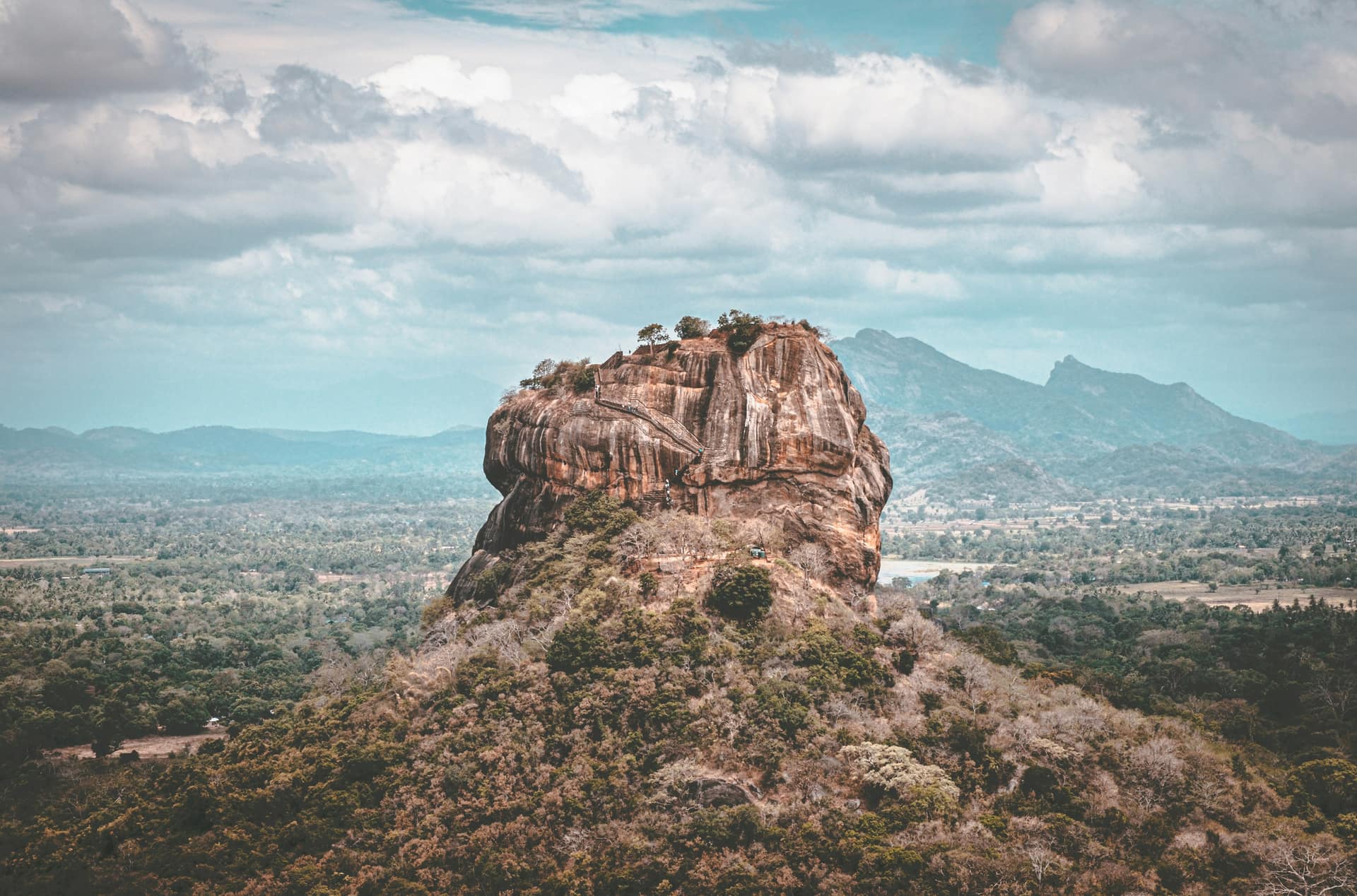
- Day 2's Sigiriya climb is best started early, roughly 6 to 6:30am, both to avoid the mid-morning heat on the roughly 1,200-step climb and to avoid the busiest crowds on the rock itself.
- Day 6's optional Horton Plains and World's End excursion needs an even earlier start, roughly 5:30am, since cloud cover typically builds through the morning and can obscure the view later.
- Day 5's scenic railway departure from Kandy also requires an early, fixed wake-up, since reserved seats are tied to a specific, non-negotiable train departure time.
- Day 1's arrival evening, day 4's second Kandy morning and most days on the south coast are genuinely relaxed, with no fixed early activity and wake-up left to personal preference.
- Recognising which days are early-start days in advance helps travellers plan an earlier bedtime the night before, rather than being caught out by a 5:30am alarm on top of an already tiring day.
The overall pattern across the 12 days
The fixed 12-day route does not run at one consistent pace throughout; instead, it alternates between a small number of genuinely early-start days, tied to specific activities that benefit from timing, and a larger number of relaxed mornings where the day's structure is far more flexible. Recognising this pattern in advance, rather than assuming every day will feel the same, helps with planning energy and sleep across the whole trip.
In broad terms, the Cultural Triangle and hill country legs contain the route's earliest starts, while Kandy and the south coast are consistently more relaxed, with day 1's arrival evening sitting somewhat apart as neither early nor demanding, simply a settle-in.
It is worth noting that these early starts are genuinely worth protecting rather than treating as optional extras to sleep through, since each one exists for a practical reason, heat, crowds or cloud cover, rather than being an arbitrary schedule choice. A traveller who consistently sleeps in through the early-start days tends to end up with a noticeably different, less comfortable version of the same activities.
- →Early-start days: day 2 (Sigiriya), day 5 (scenic railway) and day 6 if adding Horton Plains.
- →Relaxed days: day 1 evening, day 4, and most of the south coast leg.
- →Each early start exists for a practical reason, not simply as a scheduling habit.
Days 1 to 2: arrival evening, then the earliest start of the trip
Day 1's wake-up time is irrelevant in the usual sense, since the day is defined by the arrival flight and subsequent roughly 3 to 4 hour transfer rather than a morning departure, and the evening itself is intentionally unscheduled to allow rest after a long journey. Day 2, however, calls for the earliest genuine start of the whole route: roughly 6 to 6:30am, to begin the roughly 1,200-step Sigiriya climb before the heat builds and before the rock becomes crowded with other visitors.
This is a meaningful contrast within just 2 days, and travellers should plan an early night on day 1 specifically because of day 2's demands, rather than treating the first evening as a late one simply because there is no scheduled morning activity.
Jet lag can work slightly in a traveller's favour here, since Sri Lanka sits roughly 4.5 hours ahead of Switzerland in winter and roughly 3.5 hours ahead in summer, meaning an early Sigiriya wake-up often feels less jarring against a Swiss body clock than it would at home, particularly on day 2 or 3 of adjustment.
Days 3 to 4: a more relaxed rhythm in Kandy
Day 3's wake-up is moderate, timed around the roughly 2 to 3 hour transfer to Kandy (longer with a Polonnaruwa stop) so as to arrive in reasonable time for the Temple of the Tooth's evening ceremony, generally not requiring an especially early start given the ceremony itself happens later in the day. Day 4 is the most relaxed morning of the Cultural-Triangle-to-Kandy stretch, with a genuinely unhurried start before an afternoon lake walk and an evening Kandyan dance performance.
This relaxed rhythm in Kandy functions as a useful recovery period after day 2's early Sigiriya start and before day 5's early rail departure, which is one of the structural reasons Kandy's 2 nights sit where they do in the route.
Days 5 to 6: the route's most demanding early-start block
Day 5 requires an early, fixed wake-up to reach Kandy railway station in time for the scenic railway's departure, since reserved seats are tied to a specific, non-negotiable train time rather than a flexible personal schedule; missing the train is not a minor inconvenience the way a slightly late start to a road transfer might be. Day 6, for travellers adding the optional Horton Plains and World's End excursion, requires an even earlier start, typically roughly 5:30am, since cloud cover tends to build through the morning and can genuinely obscure the view later in the day.
Travellers not doing the Horton Plains excursion on day 6 have a considerably more relaxed morning instead, centred on a tea factory visit and an estate walk that do not carry the same time pressure.
- →Day 5: fixed early wake-up for the scenic railway's departure time.
- →Day 6 (with Horton Plains): roughly 5:30am start, the earliest planned wake-up on the route.
- →Day 6 (without Horton Plains): a relaxed morning centred on tea estate activities.
Days 7 to 8: a relaxed arrival, then a long travel day
Day 7's morning transfer to Ella is moderate rather than early, arriving in time for an afternoon walk to Nine Arch Bridge or Little Adam's Peak rather than requiring a dawn departure from Nuwara Eliya. Day 8's wake-up is also moderate, since the roughly 4 to 5 hour transfer to the coast does not need to start at dawn, though an unhurried rather than late start helps avoid arriving at the coast too late in the evening.
Day 8 is best thought of as a long day overall rather than an early one; the wake-up itself need not be extreme, but the day's total length, largely spent travelling, is worth planning for with realistic expectations about arrival time at the coast.
Days 9 to 12: the most relaxed stretch of the whole route
The south coast leg is consistently the most relaxed part of the 12-day route in terms of daily pace, with wake-up times left largely to personal preference beyond the early departure needed for a whale watching trip (season permitting, roughly November to April), which typically leaves at dawn given when whales are more commonly sighted. Days without a scheduled whale watching outing have no fixed wake-up time at all.
This deliberate slowdown in pace towards the end of the trip functions as a natural wind-down after the route's more demanding early-start days in the Cultural Triangle and hill country, closing the trip on a genuinely unhurried note.
For travellers who find they enjoy the early starts and want to keep some structure, a sunrise beach walk or an early snorkelling trip before the day warms up is an easy way to bring a touch of the earlier legs' rhythm into the coast stay, without it being anything the fixed route requires.
Planning your own energy around this rhythm
Knowing in advance that days 2, 5 and 6 (with Horton Plains) are the route's genuine early-start days makes it easier to plan an earlier bedtime specifically the night before each of them, rather than treating every evening on the trip the same way. Days 1, 4 and most of the south coast, by contrast, can comfortably absorb a later night without consequence the next morning.
We at Lankan Stays & Trails flag this pattern to Swiss travellers booking this route specifically so the early mornings do not come as a surprise, particularly since they cluster earlier in the trip rather than being spread evenly across all 12 days.
Seen as a whole, the route's rhythm moves from demanding to relaxed rather than staying flat or alternating unpredictably, which makes it easier to pace energy across 12 days than a route with early starts scattered randomly throughout. Front-loading the harder mornings this way is a deliberate design choice, not simply how the stops happened to fall in sequence.
Frequently asked questions
What time do I need to wake up for the Sigiriya climb?
Roughly 6 to 6:30am is typical, allowing the roughly 1,200-step climb to begin before the mid-morning heat builds and before the rock becomes crowded with other visitors later in the day.
Is the Horton Plains excursion an early start?
Yes, it is the earliest planned wake-up on the whole route, typically roughly 5:30am, since cloud cover at World's End tends to build through the morning and can obscure the view if the visit starts later.
Which days on this itinerary have the most relaxed mornings?
Day 1's arrival evening, day 4's second Kandy morning, and most days on the south coast leg have no fixed early activity, allowing wake-up time to be left largely to personal preference.
Do I need to wake up early for the Kandy-Ella scenic railway?
Yes, day 5 requires a fixed, reasonably early wake-up to reach Kandy railway station in time, since reserved train seats are tied to a specific departure time that cannot be adjusted the way a private road transfer can.
Is the south coast leg relaxed every day?
Mostly yes, with the exception of a whale watching outing (season permitting), which typically departs at dawn. Days without a scheduled boat trip have no fixed wake-up time at all.
How should I plan my sleep around the early-start days?
Plan an earlier bedtime specifically the night before days 2, 5 and 6 (if adding Horton Plains), since these are the route's genuine early-start days, while other evenings, particularly on the south coast, can comfortably run later.