
Quick answer
In January, Sri Lanka has about 11.5 hours of daylight. Sunrise in Colombo is about 6.20 to 6.30 and sunset about 6.05 to 6.15, with only around 20 to 25 minutes of twilight. Darkness falls quickly after sunset. Plan long drives to arrive before dark, start sightseeing and safaris at dawn, and use the golden hour after about 5.15 for photographs.
Key takeaways
- January days have about 11.5 hours of daylight.
- Sunrise is about 6.20 to 6.30 in Colombo.
- Sunset is about 6.05 to 6.15, with short twilight.
- Long drives should finish before dark.
- Dawn is the best time for climbs, safaris and walks.
Sunrise and sunset times
In January, the sun rises in Colombo at about 6.20 to 6.30 and sets at about 6.05 to 6.15. Sunrise gets a few minutes later through the month and sunset a few minutes later as well, but the overall change is small.
Times vary slightly across the island. The east coast and the hill country see sunrise a few minutes earlier than Colombo, and the west coast sees sunset a few minutes later. For most planning, the Colombo times are close enough.
Twilight is short. Within about 20 to 25 minutes of sunset it is dark, unlike the long summer evenings of higher latitudes.
- →Sunrise: about 6.20 to 6.30.
- →Sunset: about 6.05 to 6.15.
- →Twilight: about 20 to 25 minutes.
Planning drives around daylight
Driving after dark in Sri Lanka is slower and riskier. Roads are shared with buses, tuk-tuks, cyclists, pedestrians and animals, and many rural roads are poorly lit. Most drivers prefer to arrive before about 6.30 in the evening.
For long transfers, such as Colombo to Ella or Sigiriya to the south coast, an early start makes the most of the light and lets you stop for lunch or a sight on the way.
In the hill country, mist can gather in the evenings on high roads near Nuwara Eliya and Haputale, which is another reason to arrive in daylight.
- →Arrive before about 6.30 pm.
- →Start long transfers early.
- →Avoid hill roads after dark.
Making the most of dawn
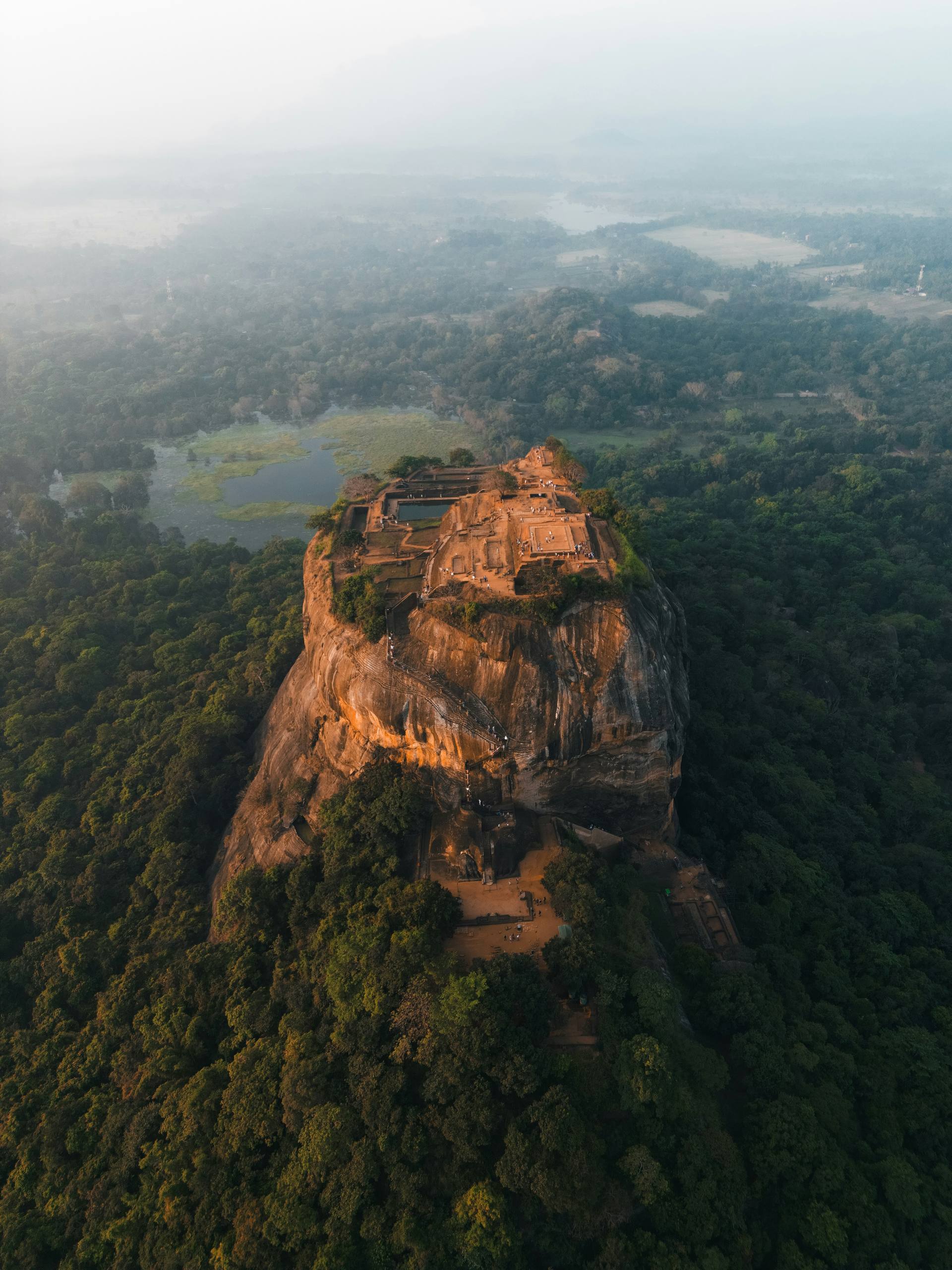
January dawns are often clear on the classic route, which makes early starts especially rewarding. Sigiriya opens early, Pidurangala is climbed for sunrise and Horton Plains opens at dawn for the walk to World's End.
Safari jeeps in Yala and Udawalawe enter the parks at about six, when animals are most active and the light is soft. Whale-watching boats leave Mirissa harbour at a similar time.
Adam's Peak is climbed overnight to reach the summit before sunrise, around 6.20 to 6.30 in January. Arriving 30 minutes early secures a viewing spot.
Evenings and golden hour
The golden hour for photography starts at about 5.15 to 5.30 in January. Galle Fort's ramparts, the beach at Mirissa and the lake at Kandy are popular places to watch the sun go down.
Evening sightseeing is limited. Most sites close around 5.30 or 6.00, and darkness falls quickly. Plan temple visits for the late afternoon, then dinner.
The Temple of the Tooth in Kandy holds an evening puja after dark, which is a good use of the early evening when other sites have closed.
- →Golden hour: from about 5.15.
- →Most sites close by 6.00.
- →Kandy's evening puja after dark.
A daily rhythm for January
Many travellers settle into an early rhythm: up at 5.30, sightseeing from 6.30 to 10.30, rest or travel at midday, short visits from 3.30 to 5.30 and an early dinner.
This pattern suits January's clear mornings and strong midday sun. It also makes the most of daylight, since there is little to see outdoors after about 6.30 in the evening.
Lankan Stays & Trails plans January routes around this rhythm, keeping long drives to the middle of the day and saving dawn for the highlights.
- →6.30 to 10.30: main sightseeing.
- →Midday: rest or travel.
- →3.30 to 5.30: second outing.
Safety after dark
Walking on quiet roads after dark carries some risk from traffic and, in rural areas, from wildlife, including elephants near national parks in the Cultural Triangle and the south.
Carry a torch or use your phone light on unlit lanes. Tuk-tuks are easy to find in towns in the evening and are safer than walking along busy roads.
Beach towns stay lively after dark in January, with restaurants and bars open along the coast, so evenings there are easy to enjoy.
Frequently asked questions
What time is sunrise in Sri Lanka in January?
In Colombo, sunrise is about 6.20 to 6.30 in January, getting a few minutes later through the month. The east coast and the hill country see sunrise a few minutes earlier. Twilight before sunrise is short, so dawn activities start in near darkness.
What time does it get dark in Sri Lanka in January?
Sunset is about 6.05 to 6.15 in Colombo in January, and it is fully dark within about 20 to 25 minutes. Plan to finish drives and outdoor sightseeing by about 6.30 in the evening, since twilight is much shorter than in higher latitudes.
How many hours of daylight does Sri Lanka have in January?
About 11.5 hours. Being close to the equator, Sri Lanka's day length changes little through the year, with the shortest days in December and January and the longest in June, which are only about an hour longer.
Is it safe to drive at night in Sri Lanka?
It is possible, but slower and riskier. Roads are shared with buses, tuk-tuks, cyclists, pedestrians and animals, and rural roads are often unlit. Most drivers prefer to arrive before dark, and hill roads can be misty in the evening.
When is golden hour in Sri Lanka in January?
The evening golden hour starts at about 5.15 to 5.30 and ends at sunset, around 6.05 to 6.15. The morning golden hour runs from sunrise at about 6.20 to 6.30 until about 7.15. January's clear skies often give good light at both ends of the day.
What time should I climb Sigiriya in January?
Arrive at opening time, when it is coolest and quietest. The climb takes about one to two hours. Late afternoon is the second-best option, but leave enough time to descend before the site closes and darkness falls soon after six.
Do sunrise and sunset times change during January?
Only slightly. Through January, sunrise in Colombo moves a few minutes later and sunset moves a few minutes later too, so the length of the day barely changes. The difference between the start and end of the month is small enough to ignore for most planning.