
Quick answer
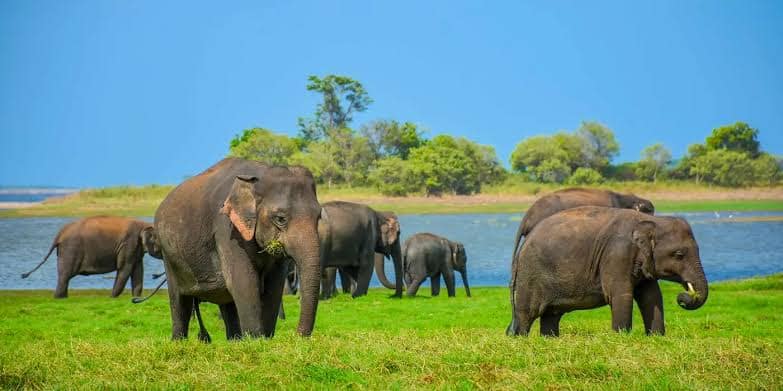
Elephant riding in Sri Lanka is widely considered unethical by wildlife welfare organisations, since training a wild-born elephant to accept a rider and howdah typically involves early-life methods that cause lasting physical and psychological harm. Many facilities marketed as orphanages or sanctuaries still offer riding, bathing shows, or chain-based housing that fall well short of genuine welfare standards. The responsible alternative most conservation groups recommend is observing elephants in the wild from a safari vehicle at parks such as Udawalawe, Yala or Minneriya, where herds behave naturally and no physical contact occurs.
Key takeaways
- Training methods used to make a wild-born elephant safe to ride typically occur in infancy and are widely documented as causing lasting physical and psychological harm.
- Udawalawe National Park is home to a large resident elephant population and is one of the most reliable places in Sri Lanka to see wild elephants on safari.
- Minneriya National Park hosts 'the Gathering', a seasonal congregation of several hundred wild elephants roughly from July to September around the park's reservoir.
- Some facilities marketed as elephant orphanages or sanctuaries still offer riding or bathing interactions, which is not consistent with genuine hands-off welfare practice.
- A facility that restricts elephants with visible chains, offers riding, or allows unsupervised close public contact is a clear signal it does not meet the welfare standards its marketing implies.
The ethics of elephant riding in Sri Lanka
Elephant riding remains available at several tourist sites in Sri Lanka despite a broad consensus among wildlife welfare organisations that it causes lasting harm to the animal. Elephants used for riding are typically trained in infancy using methods intended to break their will to resist human handling, and the physical structure of a howdah or bareback rider seat is not something an elephant's spine is well suited to bear repeatedly over years.
American travellers weighing whether to ride an elephant during a Sri Lanka trip should know this is not a fringe or contested position among conservation groups, it is close to consensus. The practical decision most responsible travel guidance recommends is simply declining any riding experience, regardless of how the facility markets itself.
Elephant 'orphanages' and self-described sanctuaries
Facilities describing themselves as orphanages or sanctuaries vary enormously in Sri Lanka, and the label alone tells you very little about actual welfare practice. Some genuinely rescue and care for injured, orphaned or displaced elephants with minimal human interaction beyond feeding and veterinary care, while others use the same language while still offering riding, bathing shows, or close unsupervised public contact.
The word 'sanctuary' has no legal or enforced meaning in most contexts and is frequently used purely as marketing. Judging a facility by what visitors are actually invited to do with the elephants, rather than the name on the sign, is the only reliable approach.
- →A facility offering elephant riding is not operating to genuine welfare standards, regardless of its name.
- →Visible chains, restrictive housing, or elephants standing on hard concrete for long periods are red flags.
- →Bathing experiences involving close, unsupervised tourist contact are increasingly questioned by welfare organisations, even when riding isn't offered.
- →A facility that welcomes questions about its animals' individual histories and welfare protocols is generally a better sign than one that deflects them.
Responsible alternatives: wild safari viewing
Wild elephant safaris are the alternative most conservation and welfare organisations recommend, since they involve no physical contact and let elephants behave entirely naturally within their own habitat. Udawalawe National Park is one of the most reliable places in the country to see wild elephants, with a substantial resident population visible from open safari jeeps.
Minneriya National Park offers a particularly striking version of this experience roughly from July to September, when several hundred wild elephants congregate around the park's reservoir in an event known locally as 'the Gathering'. Yala National Park also has healthy elephant numbers alongside its well-known leopard population, making it a strong option for a combined wildlife safari.
- →Udawalawe National Park: consistently strong elephant sightings year round from open safari vehicles.
- →Minneriya National Park: seasonal mass elephant gathering roughly July to September around the reservoir.
- →Yala National Park: elephants alongside leopards, sloth bears and abundant birdlife.
- →All wild safari viewing involves no physical contact and lets elephants set their own distance from vehicles.
How to spot a genuinely ethical operation
Genuinely ethical elephant experiences in Sri Lanka share a few identifiable traits that a facility only marketing itself as ethical usually can't replicate convincingly. No riding, no performance-style bathing shows for paying visitors, no chains as routine housing, and a clear willingness to explain individual animals' backgrounds and current welfare arrangements are the practical markers worth checking for.
Asking directly whether elephants are ridden, chained, or made to perform, and watching how the question is answered, tells you more than any brochure. A responsible operation answers plainly; one that only markets itself as ethical tends to deflect or reframe the question.
Temple elephants and cultural context
Temple elephants, most famously associated with Kandy's Esala Perahera festival, occupy a genuinely complicated cultural position in Sri Lanka rather than a simple ethical binary. These elephants are part of a centuries-old religious tradition, and welfare standards among the temples and individuals that keep them vary considerably, with increasing scrutiny in recent years over housing, chaining, and working conditions during festival season.
Visitors are not generally expected to intervene in this cultural practice, but it's reasonable to be a thoughtful observer rather than seeking out close interaction with a temple elephant, and to support organisations working on welfare improvements within this context if that interests you.
Planning ethical wildlife time into your trip
Elephant ethics sit within Sri Lanka's broader wildlife safety picture, and our dedicated guide to wildlife safety for American travellers covers the practical side of safari etiquette around elephants, leopards and other animals in more depth. Choosing wild safari viewing over any captive interaction is the single decision that resolves most of the ethical questions at once.
Our private driver-guide itineraries route wildlife time toward Udawalawe, Yala and Minneriya specifically, working with trackers experienced in reading elephant behaviour so guests get a genuinely memorable encounter without any physical contact involved.
Frequently asked questions
Is elephant riding ethical in Sri Lanka?
No, wildlife welfare organisations broadly agree that elephant riding causes lasting physical and psychological harm, since the training methods used typically occur in infancy and involve breaking the animal's resistance to human handling. Declining any riding experience, regardless of how it's marketed, is the widely recommended approach.
Are elephant orphanages in Sri Lanka ethical?
It depends entirely on the individual facility, since the word 'orphanage' or 'sanctuary' has no enforced meaning. Facilities that still offer riding, performance-style bathing, or use chains as routine housing fall short of genuine welfare standards regardless of their name.
Where can I see wild elephants ethically in Sri Lanka?
Udawalawe National Park has a large, reliably visible resident elephant population, and Minneriya National Park hosts a seasonal mass gathering of several hundred elephants roughly from July to September. Yala National Park also has strong elephant numbers alongside its leopard population, all viewed from safari vehicles with no physical contact.
What is the elephant Gathering at Minneriya?
The Gathering is a seasonal congregation of several hundred wild elephants around Minneriya National Park's reservoir, occurring roughly from July to September as water levels drop elsewhere. It's considered one of Asia's most significant wild elephant events and is viewed entirely from safari vehicles.
Is Pinnawala elephant orphanage ethical?
Pinnawala is a long-established, government-run facility with a mixed welfare reputation, and practices there have been questioned by some welfare organisations over the years, including chaining and public bathing sessions. Travellers wanting a strictly hands-off experience may prefer a wild safari at Udawalawe or Minneriya instead.
How can I tell if an elephant experience is genuinely ethical?
Check whether riding, performance-style bathing, or chaining are part of what's offered, since any of these indicates the operation doesn't meet genuine welfare standards regardless of marketing. A facility willing to explain individual elephants' histories and current welfare arrangements plainly is a better sign.