
Quick answer
On a 10 to 14 day trip, include both Galle and Mirissa. A 10-day route usually leaves three coast nights: two in Mirissa and one in Galle. A 14-day route leaves four or five: three or four in Mirissa and one in Galle, or with a night at Tangalle added. Visit Mirissa first on arrival from Yala or Ella, and finish in Galle, roughly two and a half to three hours from the airport.
Key takeaways
- A 10-day loop typically gives three nights to the south coast; a 14-day loop gives four or five.
- Two nights in Mirissa and one in Galle is the standard division for three coast nights.
- Extra coast nights on a two-week trip are best added to the beach, not to the fort.
- A safari at Yala or Udawalawe fits comfortably before the coast on trips of ten days or more.
- Between May and September, the same nights are better spent on the east coast, with one in Galle if passing.
Ten days: three coast nights
Ten days in Sri Lanka usually allows Galle and Mirissa three nights between them. A common arrangement is two nights at Sigiriya, one or two in Kandy, two in the hill country and one at Yala or Udawalawe, which leaves the last three for the coast.
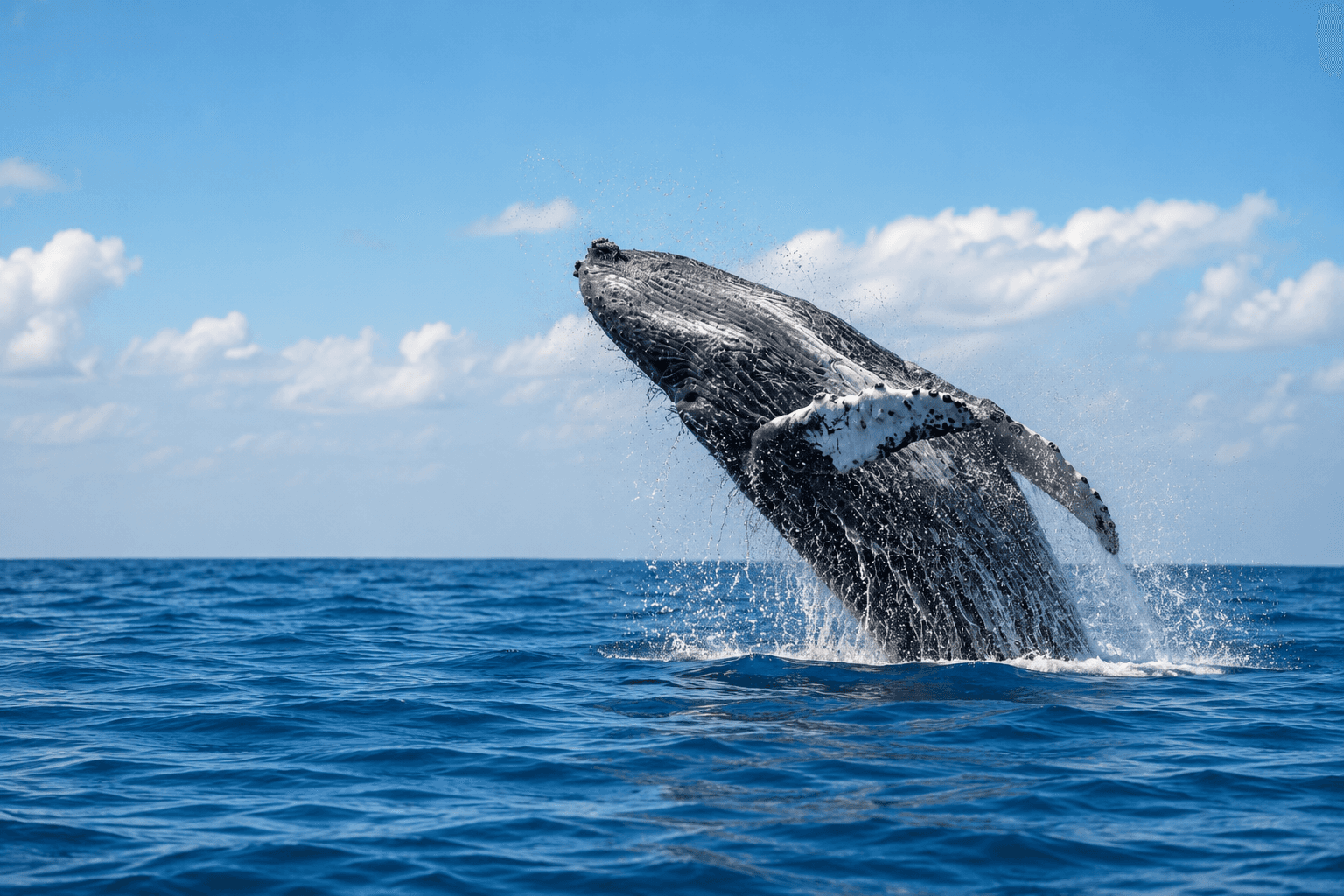
The best use of them is two nights in Mirissa followed by one in Galle. That covers a whale-watching morning, a beach day, a spare morning for weather, the coast road and an evening in the fort. It is the pattern most itineraries of this length settle on.
- →Nights seven and eight: Mirissa.
- →Night nine: Galle Fort.
- →Day ten: dawn in the fort, then the airport.
- →One hotel move on the coast.
Fourteen days: four or five coast nights
Fourteen days gives Galle and Mirissa four or five nights, enough for the coast to become a holiday within the trip. The additional nights come after a fuller inland programme that might add Polonnaruwa or Anuradhapura, Nuwara Eliya and two nights at Yala.
The extra coast nights belong at the beach. Three or four in Mirissa allow a day with nothing planned, and one in Galle still does the fort justice. Travellers who want variety can open the coast stay with a night at Tangalle, which is on the way from Yala and far quieter than Mirissa.
- →Four nights: three in Mirissa, one in Galle.
- →Five nights: four in Mirissa and one in Galle, or add Tangalle.
- →Keep Galle for the final night.
- →Avoid more than three coast bases.
What to do with spare coast days
Spare days on a longer stay between Galle and Mirissa can be left empty or used lightly. Surf lessons in Weligama take a morning. Koggala lake, the stilt fishermen and Dalawella fill an easy half day on the move between the towns. Matara and the lighthouse at Dondra Head are 30 to 40 minutes east of Mirissa.
Inland, the lowland rainforest and tea estates behind Galle offer a change of scene. A second day in the fort suits shoppers and those who enjoy long lunches. The most valuable option is often to do nothing, since a two-week trip around Sri Lanka contains a great many early mornings.
- →Weligama: a surf lesson.
- →Koggala and Dalawella: on the way to Galle.
- →Dondra Head: a short trip east.
- →Nothing at all: frequently the right answer.
Fitting a safari before the coast
A safari fits before Galle and Mirissa without strain on a trip of ten days or more. Yala, with its leopards, is roughly two and a half hours from Mirissa. Udawalawe, with its elephants, is two to two and a half. One night with an afternoon and a morning game drive is usual; two nights suits keen wildlife watchers.
Leave the park by about half past ten after the morning drive and reach Mirissa for a late lunch. Schedule the whale trip for the second Mirissa morning so that two pre-dawn alarms do not fall on consecutive days. Yala commonly closes for a period around September.
Adjusting for the season
The season adjusts the plan for Galle and Mirissa at any trip length. From December to April the proportions above apply. In November and late April, keep the same structure and stay flexible about whale trips and swimming.
From May to September the south-west monsoon makes Mirissa a poor use of several nights. On a 10 to 14 day trip in those months, give the east coast the beach nights, and keep one night in Galle only if the route passes. Lankan Stays & Trails rearranges the loop accordingly and keeps the total number of coast nights the same.
- →December to April: Mirissa and Galle as described.
- →November and late April: same plan, more flexibility.
- →May to September: east coast for the beach.
- →October: the wettest month; favour towns over beaches.
Frequently asked questions
How many nights on the south coast in a 10-day Sri Lanka trip?
Three nights is typical on a 10-day trip. The usual division is two nights in Mirissa for the beach and whale watching, followed by one night in Galle Fort before the airport. That leaves six nights for the Cultural Triangle, Kandy, the hill country and a safari.
How many nights on the south coast in a 14-day Sri Lanka trip?
Four or five nights is typical on a 14-day trip. Spend three or four in Mirissa and one in Galle, or add a night at a quieter beach such as Tangalle. The longer stay gives real rest after ten days of touring.
Should I add more nights to Galle or to Mirissa on a longer trip?
Add them to Mirissa or another beach. Galle Fort is well covered in one night, and a second mainly suits those who love shopping and restaurants. Beach stays improve with each extra day, because the benefit is rest and that builds over time.
Can I visit Galle, Mirissa and Yala on a 10-day trip?
Yes. A 10-day route comfortably includes one night at Yala or Udawalawe, two in Mirissa and one in Galle, after the Cultural Triangle, Kandy and the hill country. The drives between them are two and a half hours or less, apart from the transfer down from the hills.
Is two weeks too long for Sri Lanka?
No. Two weeks allows the main regions without rushing and leaves four or five nights for the coast. Many travellers find it the ideal length. Three weeks is needed only if you want to add the north, the east coast or extended time in the hills.
What changes on a two-week trip in July or August?
In July and August the south coast is in monsoon, so the beach nights move to the east coast near Trincomalee or Pasikudah, where the sea is calm. Galle remains worth one night if the route passes. The Cultural Triangle, Kandy and the hills are unaffected.