
Quick answer
The Mahinda Rajapaksa International Cricket Stadium, usually called the Hambantota or Sooriyawewa stadium, was built inland from Hambantota for the 2011 World Cup, where it hosted group matches including Sri Lanka's game against Canada. It hosts one-day and Twenty20 internationals and Lanka Premier League matches but has not hosted Tests. It is the closest international ground to Yala National Park, roughly an hour from Tissamaharama.
Key takeaways
- The stadium is at Sooriyawewa, inland from Hambantota, in the deep south.
- It was built for the 2011 World Cup and is named after Mahinda Rajapaksa.
- It hosts white-ball internationals and LPL matches, not Tests.
- Large and open, it can be hot and windy.
- It is roughly an hour from Tissamaharama, the base for Yala.
Built for the World Cup
Sri Lanka co-hosted the 2011 World Cup with India and Bangladesh, and the tournament became a chance to build new venues. The stadium at Sooriyawewa, about 30 to 40 minutes inland from Hambantota town, was built as part of a wider programme of development in the Hambantota district that also included a port, an airport and an expressway extension.
Named after Mahinda Rajapaksa, then president and a politician from the district, the stadium hosted group matches at the World Cup, including Sri Lanka's game against Canada. It is one of the larger grounds in the country, with capacity figures in the tens of thousands.
After the World Cup, the stadium's use was uneven for a time, and its remote location meant crowds were smaller for some fixtures.
- →Built for: the 2011 World Cup.
- →Location: Sooriyawewa, inland from Hambantota.
- →Part of: a wider development plan for the district.
White-ball cricket at Sooriyawewa
The ground has hosted one-day and Twenty20 internationals, Asia Cup matches and Lanka Premier League games, but no Tests. Its pitches and the open, windy setting have produced a mix of high- and low-scoring matches.
Floodlights allow day-night games, which are the most comfortable for spectators given the heat of the deep south. In recent seasons the ground has become an important LPL venue.
For visiting fans, Hambantota is usually one stop on a white-ball tour rather than a destination in itself, but its proximity to Yala makes it unusually attractive.
- →Formats: ODIs, T20Is and LPL.
- →No Tests to date.
- →Night matches are the most comfortable.
The setting: savannah and wind
The stadium sits in open, dry country, with scrub, tanks and paddy fields around it. Unlike Galle or Pallekele, it has no dramatic backdrop, but the big skies and the dry-zone light have their own appeal, especially at dusk.
Wind can be strong, especially during the southwest monsoon months, and the heat in the middle of the day is intense. Shade is limited in parts of the ground, so a hat and plenty of water are essential.
Wildlife is part of the area: peacocks and other birds are common, and elephants live in the parks and forests not far away.
Visiting the stadium
The stadium is roughly an hour from Tissamaharama, the usual base for Yala, and about 30 to 40 minutes from Hambantota town. Tangalle, on the coast, is about an hour away. Most visitors come by car with a driver, as public transport to the ground is limited.
On non-match days, the exterior can be seen from the road, and entry is at the discretion of staff. On match days, arrive early, bring water and agree a pick-up point.
Lankan Stays & Trails can build a southern itinerary that combines a Hambantota match with a Yala safari and a beach stay, with transfers in between.
- →From Tissamaharama: roughly an hour.
- →From Tangalle: about an hour.
- →Pair with: a Yala safari.
The stadium's role today
Hambantota's role has grown with the Lanka Premier League and with Sri Lanka's need for venues during the southwest monsoon, when the south's dry zone can be more reliable than Colombo or Galle. International fixtures come and go, so check Sri Lanka Cricket's schedule.
The wider development of the district, including the port and the expressway, means access is easier than when the stadium opened.
For visitors, a match here is a chance to see cricket in a part of the island few tourists visit, with safari and beaches close by.
- →Schedules vary by season.
- →Access has improved with the expressway.
- →A useful monsoon-season venue.
Why Hambantota matters
Hambantota extended international cricket to the deep south, giving local fans their own ground and adding a venue far from Colombo. It is part of a story of new grounds built in the 2000s, alongside Pallekele and Dambulla.
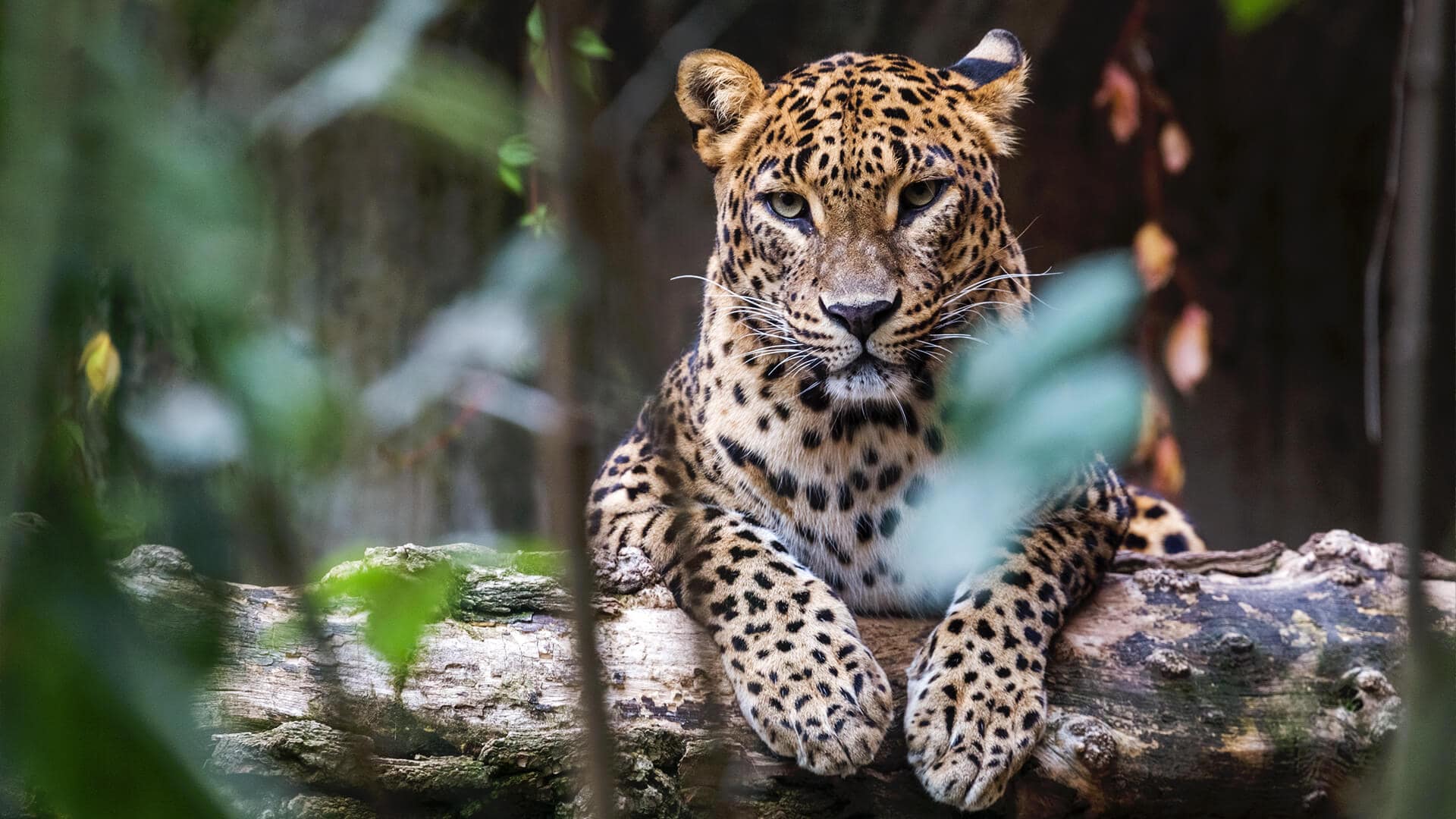
For travellers, it is the stadium most closely linked to wildlife. A morning game drive in Yala and an evening match under lights is one of the more unusual days a cricket lover can plan.
Even without a match, the stadium is a reminder of how the south has changed in recent decades.
Frequently asked questions
When was the Hambantota cricket stadium built?
The stadium at Sooriyawewa was built for the 2011 World Cup, co-hosted by Sri Lanka, India and Bangladesh, and hosted group matches including Sri Lanka against Canada. It was part of a wider programme of development in the Hambantota district.
Has Hambantota hosted a Test match?
The Hambantota stadium has hosted one-day and Twenty20 internationals, Asia Cup matches and Lanka Premier League games, but not Tests to date. For Test cricket in the south, visitors should look at Galle, about two to two and a half hours west.
How far is Hambantota stadium from Yala?
The stadium is roughly an hour from Tissamaharama, the usual base for Yala National Park, and a little further from the park's main entrance. A morning safari and an evening match on the same day is possible with careful timing and a driver.
What is the Hambantota stadium called?
Its official name is the Mahinda Rajapaksa International Cricket Stadium, after the former president. Locals and fans often call it the Hambantota stadium or the Sooriyawewa stadium, after the town where it stands, about 30 to 40 minutes inland from Hambantota.
Is Hambantota stadium hot?
Very. The stadium is in the dry zone of the deep south, and midday heat can be intense, with limited shade in parts of the ground. Wind can also be strong. Day-night matches are the most comfortable; bring water, a hat and sunscreen.
Does Hambantota host Lanka Premier League matches?
Hambantota has been an important Lanka Premier League venue in several seasons. Venues and schedules change each year, so check the current LPL schedule before planning a trip around a match.
Where should I stay for a Hambantota match?
Most visitors stay in Tissamaharama, for Yala, or on the coast around Tangalle, each roughly an hour away. Hambantota town has some hotels closer to the ground. A car and driver is the easiest way to get to and from the stadium.