
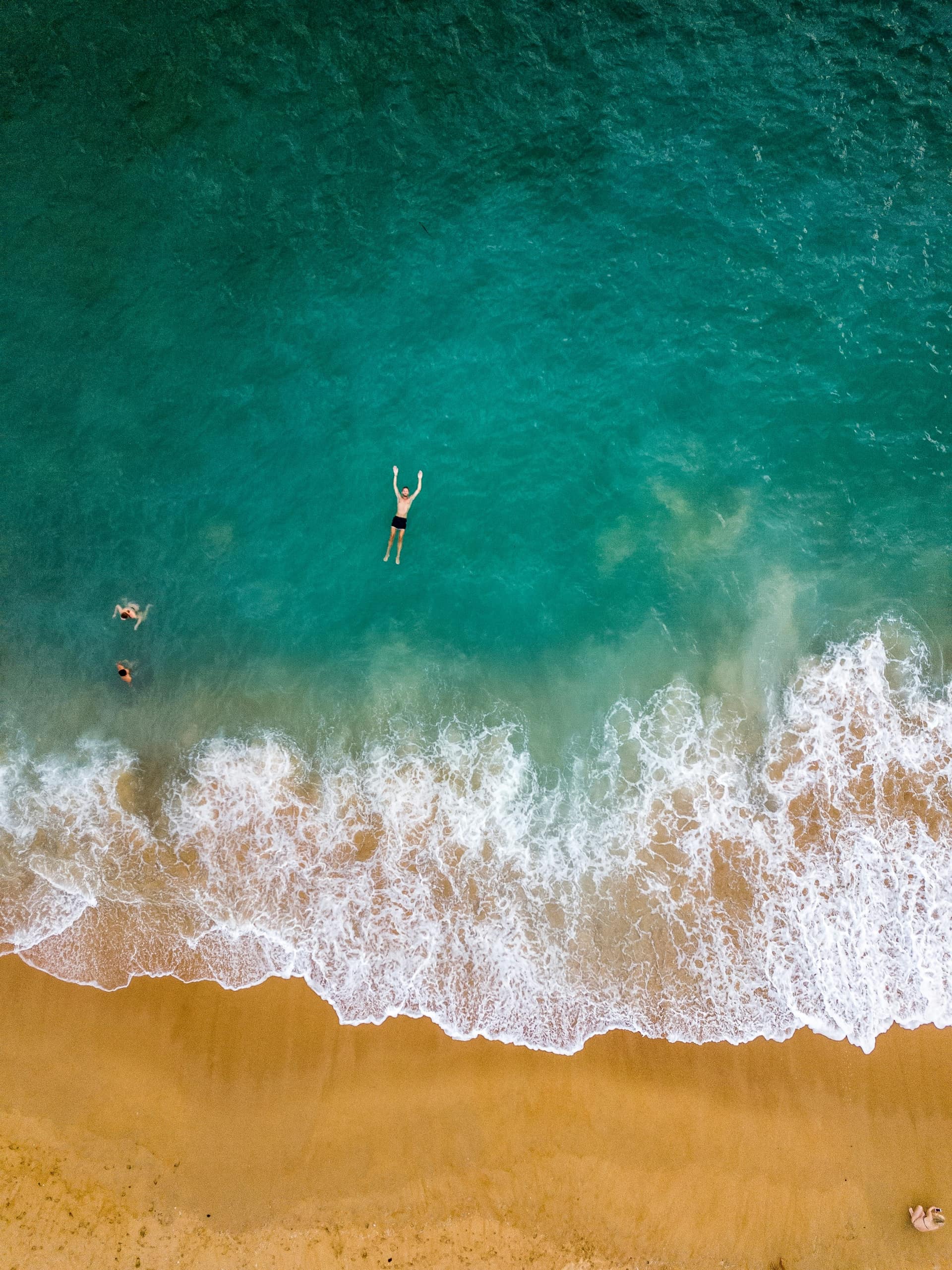
Quick answer
The south coast needs roughly two to five days for most Turkish travellers, with two to three days enough for a Galle Fort visit plus one beach stop such as Mirissa or Unawatuna, and four to five days allowing a genuine rest with time for whale watching, surfing or simply doing very little. The south and west coast dry season runs roughly December to March, which conveniently overlaps with the Turkish winter holiday booking window, making this region a natural finishing point for a trip timed around that season.
Key takeaways
- The south coast dry season runs roughly December to March, overlapping well with the Turkish winter holiday window.
- Two to three days suits a coastal taste (Galle Fort plus one beach town); four to five days suits a genuine rest.
- Mirissa is Sri Lanka's main whale watching base, with peak sightings roughly November to April.
- Galle Fort, a UNESCO World Heritage site, is comfortably explored on foot in half a day to a full day.
- Unawatuna suits swimming and a relaxed pace, while Bentota adds river safaris alongside its beach.
What the south coast covers
The south coast stretches from Bentota in the west down through Galle, Unawatuna and Mirissa toward Tangalle, and it is the region most Turkish travellers associate with the classic beach-and-heritage finish to a Sri Lanka trip. Galle anchors the region historically, with its Dutch colonial fort, while Mirissa, Unawatuna and Bentota each offer a slightly different flavour of beach stay.
This coast sits in dry season roughly December to March, which is precisely when the north-east monsoon affects the east coast instead, making the south coast the natural choice for a Turkish winter holiday trip. It is generally the final region on an island loop, reached from hill country or the Cultural Triangle via a wildlife safari.
For travellers on a Turkish summer booking, roughly June to September, the south coast is less ideal, since that period falls in its wetter south-west monsoon season, and the east coast around Trincomalee or Arugam Bay is the better seasonal match instead.
Two to three days: a coastal taste
Two to three days is enough for a worthwhile south coast stop without dedicating the whole trip to the beach, typically combining a half-day to full day in Galle Fort with one or two nights at a single beach town such as Mirissa or Unawatuna. This suits travellers on a ten-day trip who want a coastal finish without cutting significantly into the Cultural Triangle, hill country or a safari.
A common two-day version spends the first day exploring Galle Fort's ramparts, boutiques and lighthouse, then relocates to Unawatuna or Mirissa for one relaxed beach day before departing. Three days allows an extra beach day, useful if whale watching from Mirissa is a priority, since morning boat trips need calm conditions and occasionally get rescheduled.
- →Day 1: Galle Fort, ramparts walk, lighthouse, boutique shopping, roughly half a day to a full day.
- →Days 2-3: one beach base (Mirissa for whale watching and nightlife, or Unawatuna for calmer swimming).
Four to five days: a genuine rest
Four to five days allows the south coast to function as an actual rest stop rather than a quick stopover, with time to properly enjoy Galle Fort, a full-day Mirissa whale watching trip (roughly three to four hours at sea, best attempted with a buffer day in case of rescheduling), and unstructured beach time doing very little.
This length suits travellers on a fourteen-day-or-longer trip, honeymooners wanting a slower finish, or families who benefit from a few days without a daily activity schedule after a busier Cultural Triangle and safari stretch earlier in the trip.
Choose two to three days if the south coast is one stop among several; choose four to five if genuine rest, rather than sightseeing, is the primary goal for this part of the trip.
Choosing between Galle, Mirissa, Unawatuna and Bentota
Each south coast town suits a slightly different priority, and most itineraries pick one or two rather than attempting all four given the driving time between them, even though none are far apart individually. Galle is the cultural anchor and works better as a day visit or one-night stay than a multi-night beach base, since its beaches are not the coast's best.
Mirissa is the strongest choice for whale watching and a livelier evening scene; Unawatuna suits calmer swimming and a slightly quieter, more family-friendly pace; Bentota, further north and closer to Colombo, adds river safaris on the Bentota River alongside its beach, making it a practical first or last coastal stop for travellers with tighter time near the airport.
- →Galle: colonial-era fort, ramparts and boutiques, best as a half-day to full-day visit rather than a beach base.
- →Mirissa: Sri Lanka's main whale watching hub (roughly November to April), plus a lively evening scene.
- →Unawatuna: calmer swimming beach, relaxed pace, good for families or a quieter stay.
- →Bentota: beach plus Bentota River safaris, a practical coastal stop closer to Colombo for shorter trips.
A note on whale watching timing
Mirissa's whale watching season runs roughly November to April, with blue whale and sperm whale sightings both possible, though never guaranteed on any single trip out, as with wildlife anywhere. Boats typically depart early morning, roughly 6am to 6.30am, with trips lasting three to four hours depending on conditions.
Travellers prioritising whale watching should build in a spare morning if possible, since trips are occasionally cancelled or rescheduled for sea conditions, and a single fixed morning leaves no flexibility if that happens.
Planning the right number of days
Two to three days gives a solid south coast taste on a tighter trip; four to five days turns it into a genuine rest, which many travellers find is exactly what the final stretch of an active Sri Lanka itinerary needs. Timing a south coast stop within the roughly December-to-March dry season, which lines up well with the Turkish winter break window, matters more here than in most other regions.
Lankan Stays & Trails builds private, driver-guided south coast stays for Turkish travellers at two to five days, sequenced as the natural finishing stretch after the Cultural Triangle, hill country and a safari.
Frequently asked questions
How many days do you need for the south coast in Sri Lanka?
Roughly two to five days. Two to three days covers Galle Fort plus one beach stop such as Mirissa or Unawatuna, while four to five days allows a genuine rest with time for whale watching and unstructured beach time.
When is the best time to visit Sri Lanka's south coast?
Roughly December to March, the region's dry season, which conveniently overlaps with the Turkish winter holiday booking window. The south-west monsoon (roughly May to September) makes the coast wetter and rougher, better avoided for a beach-focused stay.
How long should you spend in Galle Fort?
Roughly half a day to a full day is enough to walk the ramparts, explore the boutiques and see the lighthouse. Most travellers treat Galle as a day visit or a single overnight rather than a multi-night beach base.
When is the best time for whale watching in Mirissa?
Roughly November to April, with blue whale and sperm whale sightings both possible, though never guaranteed on any single trip. Boats typically depart early morning and trips last three to four hours, so a spare morning is worth having as a buffer.
Should you choose Mirissa or Unawatuna for a beach stay?
Mirissa suits whale watching and a livelier evening scene, while Unawatuna suits calmer swimming and a quieter, more family-friendly pace. Both sit close enough to Galle Fort to combine easily with a day visit there.
Is Bentota worth visiting on a south coast itinerary?
Yes, particularly for travellers with limited time near Colombo, since Bentota combines a beach stay with river safaris on the Bentota River and sits closer to the airport than Mirissa or Galle, making it a practical first or last coastal stop.
Can the south coast be visited during the Turkish summer holidays?
It is possible but not ideal, since roughly June to September falls in the south-west monsoon season with rougher seas and more rain. The east coast around Trincomalee or Arugam Bay is the better seasonal match for that window instead.