
Quick answer
Indian travellers should budget 1 to 2 nights near Yala National Park with two safari sessions, a dawn drive and a late-afternoon drive, since a single drive meaningfully lowers the odds of a strong leopard, elephant or sloth bear sighting. One night with two drives is workable as an add-on to a wider itinerary; two nights with three or four drives suits travellers for whom wildlife is the trip's priority. Yala closes for roughly a month each year, usually within September to October, for park maintenance, so alternative parks such as Udawalawe or Wilpattu are worth checking during that window.
Key takeaways
- Two safari sessions, one at dawn and one in the late afternoon, meaningfully improve sighting odds compared with a single drive.
- Yala National Park typically closes for roughly a month each year for park maintenance, usually falling within September to October, though exact dates vary annually.
- Yala sits roughly 5 to 6 hours by road from Colombo, making it impractical as a day trip and worth a dedicated overnight stay.
- Udawalawe National Park, further west, stays open year-round and offers a more reliable elephant-focused alternative when Yala is closed.
- Dawn safari drives typically enter the park around 6am, before the day's heat pushes animals into denser cover.
How many days and drives Yala needs
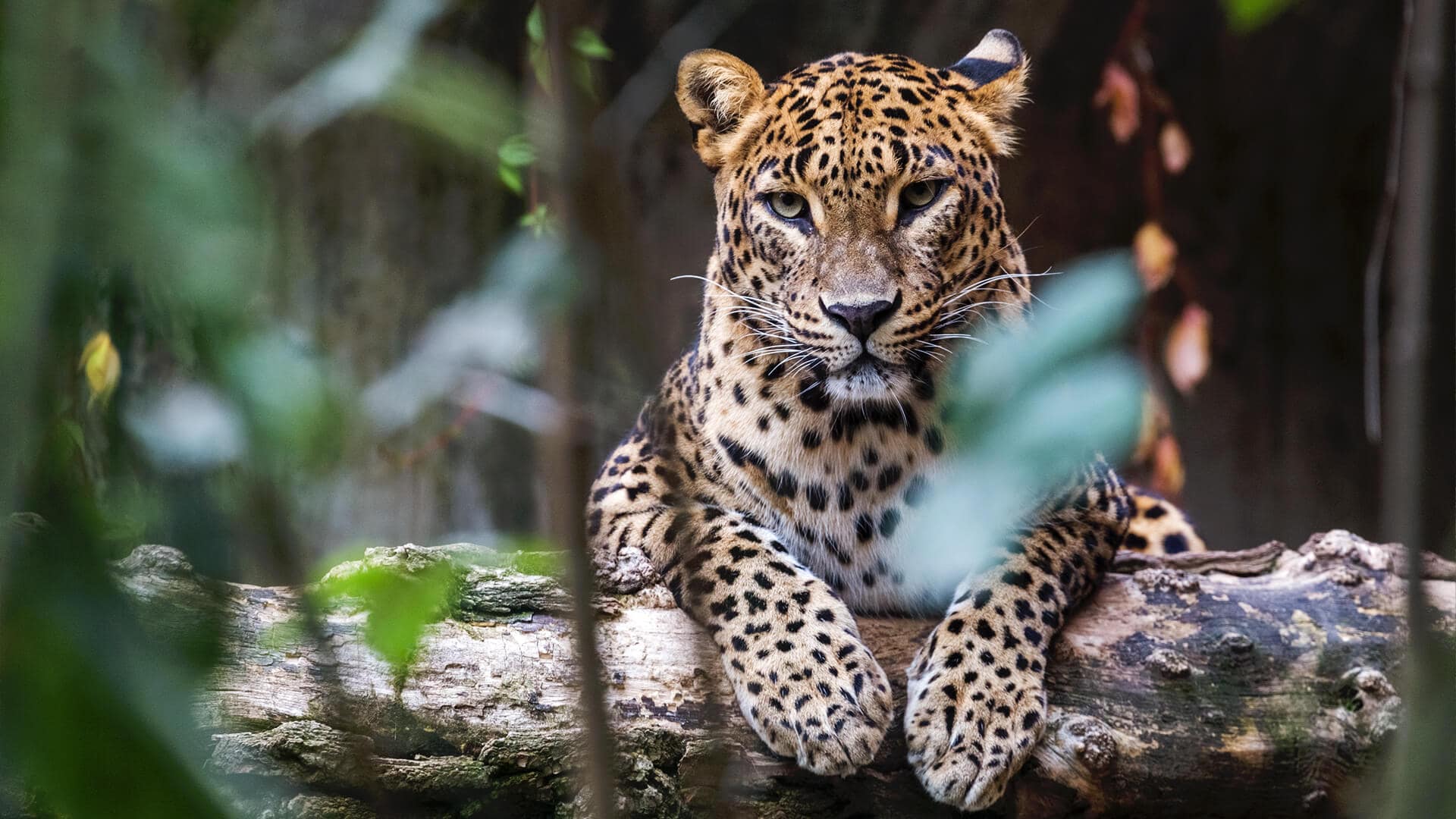
A single game drive at Yala is genuinely a lottery. Wildlife sightings, particularly of Yala's famous leopards, depend heavily on which specific block of the park you're assigned to, the time of day, and simple luck, so one drive alone leaves a real chance of a quiet visit. Two sessions, a dawn drive and a late-afternoon drive, roughly double your chances of a strong sighting across the visit.
One night with two safari sessions is the practical minimum for Indian travellers adding Yala to a wider Sri Lankan loop, while two nights with three or four sessions suits travellers for whom wildlife is the main reason for the trip. Given the distance involved, treating Yala as anything less than an overnight stop rarely works well.
Why two safari sessions matter more than one long one
Dawn drives typically enter the park around 6am, when temperatures are cooler and animals are more active before the day's heat pushes them into denser cover to rest. Afternoon drives, starting mid-afternoon and running until the park's evening closing time, catch a second window of activity as the heat eases.
A single midday drive misses both windows, and a single dawn-only visit means no second attempt if that morning happens to be quiet. Splitting a Yala visit across two sessions on different parts of the day, ideally across two separate mornings and afternoons if time allows, is the single most effective way to improve the odds without any additional luck involved.
- →Dawn drive: roughly 6am to 9.30am, cooler temperatures and more active animals.
- →Afternoon drive: roughly 3pm to park closing, a second activity window as the heat eases.
- →A single drive: workable but genuinely lower odds of a strong sighting.
- →Two drives across a 1-night stay: the practical minimum for a meaningful safari visit.
Getting to Yala from elsewhere in Sri Lanka
Yala sits roughly 5 to 6 hours by road from Colombo, and roughly 3 to 4 hours from the south coast beach towns of Mirissa or Galle, which makes it far more practical to visit as part of a route from the south coast than as a standalone trip from the capital. Most Indian itineraries build Yala in as a stop between the hill country and the south coast, or as the final wildlife-focused leg before a beach finish.
Because of the distance involved, a genuine day trip to Yala from Colombo is not recommended, since it would consume most of the day in transit for a single, likely underwhelming drive at the end of it.
- →From Colombo: roughly 5 to 6 hours by road.
- →From Mirissa or Galle on the south coast: roughly 3 to 4 hours.
- →A day trip from Colombo is not recommended given the distance involved.
- →Yala fits best as a stop between hill country and the south coast on a wider loop.
Park closure and alternatives
Yala National Park typically closes for roughly a month each year for park maintenance, usually falling within the September to October window, though the exact dates shift annually and should be confirmed closer to your travel dates rather than assumed. Travelling in this period means either adjusting your route timing or choosing an alternative park instead.
Udawalawe National Park, further west and open year-round, is a strong elephant-focused alternative with a more open landscape that generally makes sightings easier even for less experienced safari-goers. Wilpattu, in the northwest, offers a quieter, less crowded safari experience with its own leopard population, for travellers willing to add extra driving distance from a Colombo or Cultural Triangle base.
- →Yala: closes roughly a month annually, usually within September to October, exact dates vary.
- →Udawalawe: open year-round, strong elephant sightings, a good alternative during Yala's closure.
- →Wilpattu: quieter, own leopard population, better reached from a northern or Cultural Triangle route.
- →Confirm current park status directly before finalising safari dates, particularly for September and October travel.
What to expect on a Yala safari day
A typical Yala day for a 1-night stay starts with a pre-dawn wake-up, a dawn drive of roughly 3 to 3.5 hours, a rest through the midday heat, then a second drive of similar length in the afternoon. The vehicle is a shared or private open-top 4x4 jeep depending on how you book, with a park tracker alongside the driver-guide on most arrangements.
Sightings commonly include elephants, spotted deer, crocodiles, a wide range of birdlife and, with genuine luck across two sessions, a leopard or sloth bear. No sighting is ever guaranteed on any single safari anywhere in the world, and Yala is no exception, which is precisely why building in more than one drive matters.
Planning your Yala visit
The most common mistake Indian travellers make with Yala is treating it as a quick add-on with a single drive squeezed into a tight schedule, then being disappointed by the outcome. Building in at least one overnight stay with two sessions gives a fairer chance of the sighting most people come for.
Lankan Stays & Trails books both dawn and afternoon Yala drives as standard for a safari stop, and will redirect to Udawalawe or Wilpattu automatically for travel dates that fall within Yala's annual closure window.
Frequently asked questions
How many days do you need for a Yala safari?
One night with two safari sessions, a dawn drive and a late-afternoon drive, is the practical minimum. Two nights with three or four sessions suits travellers for whom wildlife is the main priority of the trip.
Is one safari drive enough at Yala?
It's workable but genuinely lowers your odds of a strong sighting, particularly of leopards. Two sessions, split across dawn and late afternoon, roughly double the chances compared with relying on a single drive.
When does Yala National Park close each year?
Typically for roughly a month, usually falling within September to October for park maintenance, though exact dates vary annually and should be confirmed closer to your travel dates rather than assumed in advance.
How far is Yala from Colombo?
Roughly 5 to 6 hours by road, which makes a day trip from Colombo impractical. Yala is better reached as part of a route from the south coast, roughly 3 to 4 hours from Mirissa or Galle, or from the hill country.
What is a good alternative to Yala if it's closed?
Udawalawe National Park, open year-round with strong elephant sightings, is the most practical alternative. Wilpattu in the northwest offers a quieter safari experience with its own leopard population for travellers willing to add more driving distance.
What time do Yala safari drives start?
Dawn drives typically enter the park around 6am, before the heat pushes animals into denser cover. Afternoon drives start around 3pm and run until the park's evening closing time, giving a second activity window.
What animals can you see on a Yala safari?
Elephants, spotted deer, crocodiles and a wide range of birdlife are common sightings. Leopards and sloth bears are also present but never guaranteed on any single drive, which is why two sessions improve the odds meaningfully.