
Quick answer
The best way to split 10 days between wildlife and beach in Sri Lanka, for most travellers, is three safari nights and six beach nights: one at Udawalawe, two near Yala, then two each at Tangalle, Mirissa and Unawatuna. Wildlife lovers can shift to five safari nights and four beach nights; beach-first travellers can drop to two safari nights and seven on the coast. Whales, turtles and reefs on the coast mean beach nights also count as wildlife time.
Key takeaways
- Three safari nights and six beach nights is the classic split for a 10-day wildlife and beach holiday.
- Five safari nights and four beach nights suits wildlife-focused travellers who want several Yala drives.
- Two safari nights and seven beach nights suits those who want one safari and a long rest.
- Whales, turtles and reefs mean beach nights also include wildlife time.
- Each safari night adds roughly one or two drives; each beach night adds a day of rest or a coastal outing.
The classic three-to-six split
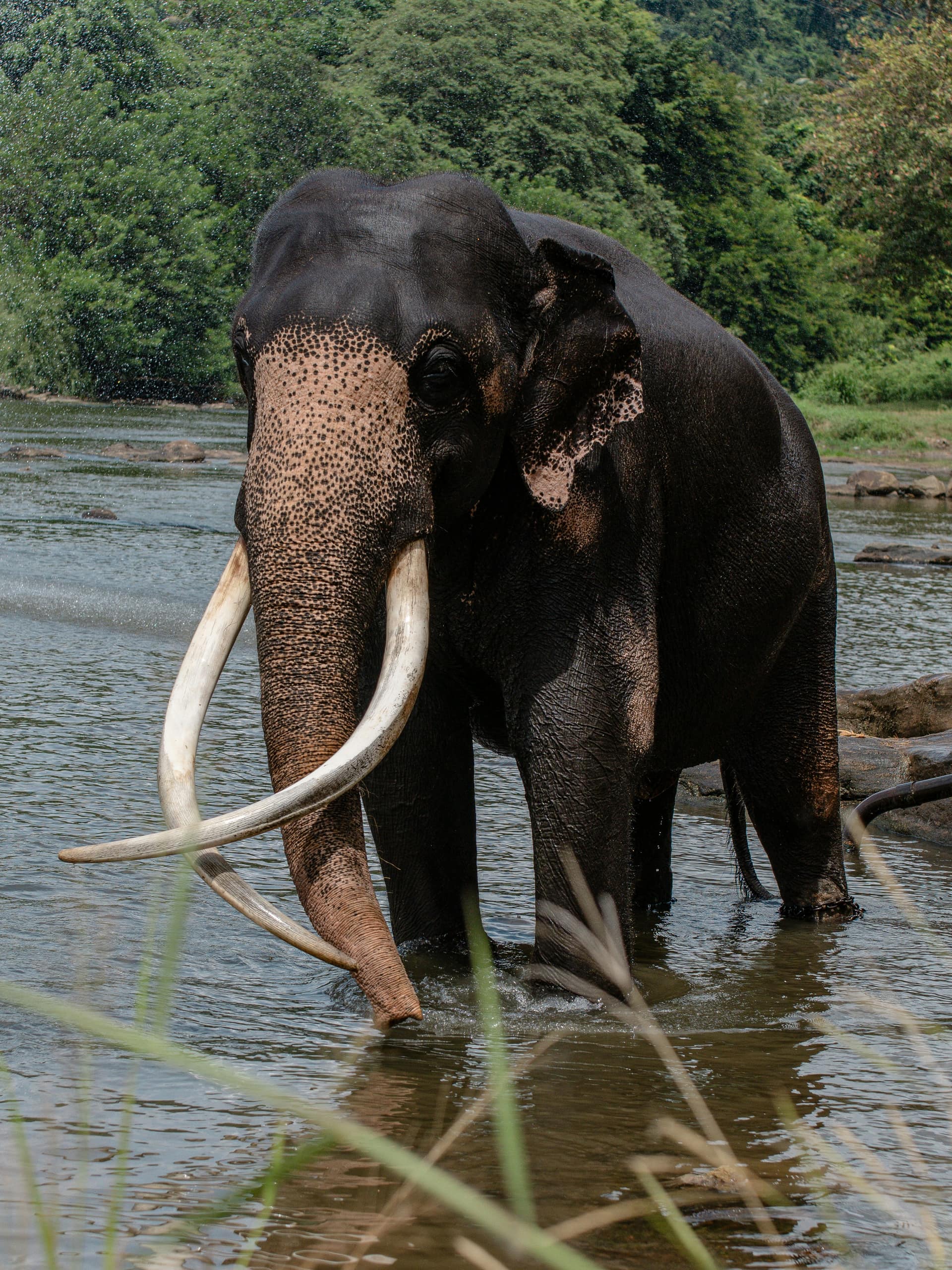
The classic split for a 10-day wildlife and beach holiday is three safari nights and six beach nights. One night at Udawalawe gives an elephant safari and the Transit Home; two near Yala give a leopard drive and Bundala; and six beach nights across Tangalle, Mirissa and Unawatuna give turtles, whales and snorkelling as well as rest.
This balance suits most travellers because each park works best in one or two early sessions, and the rest of each safari day is hot and quiet. More nights add more drives but not proportionally more experiences.
Splitting the beach nights across three bases rather than one has another advantage: each coastal move is about an hour, short enough not to feel like travel, and each base adds a different wildlife experience, from turtles to whales to reef fish.
- →Udawalawe: one night, elephants.
- →Yala: two nights, leopards and Bundala.
- →Beach: six nights, turtles, whales and reefs.
When to give more nights to wildlife
More safari nights make sense for travellers who came mainly for the animals. Five safari nights, two at Udawalawe and three near Yala, allow several Yala drives, a full day, a quieter block and a dawn at Bundala. That greatly improves the odds of a leopard and adds rarer animals like sloth bears.
The cost is a shorter beach half, four nights, with less time to rest. The safari-heavy version of the route in this series shows how it works day by day.
- →Five safari nights: several Yala drives.
- →Better odds for leopards and sloth bears.
- →Four beach nights: whales and reef still included.
When to give more nights to the beach
More beach nights make sense for couples and families who want one or two safaris and a long rest. Two safari nights near Yala, with Udawalawe as a stop on the way, keep the two best parks; seven beach nights then give a real holiday.
Beach-focused travellers still see wildlife on the coast: turtles at Rekawa, whales off Mirissa and reef fish at Unawatuna. The beach-heavy version of the route in this series shows the details.
- →Two safari nights: Udawalawe and Yala in a burst.
- →Seven beach nights: rest with wildlife outings.
- →Best for: couples, families, beach lovers.
Factors that change the split
Several factors change the best split between wildlife and beach. The season matters: from February to July, Yala is drier and sightings easier, so fewer drives may be enough. Children change it too: young children may prefer fewer early starts and more pool time.
Interests matter most. Birders may want an extra dawn at Bundala or Kalametiya, photographers extra drives for light, and divers extra beach days for the reef.
Lankan Stays & Trails asks every traveller which single sighting matters most and builds the split around it.
Budget changes the split too. Safari nights are often more expensive than beach nights once jeeps and park fees are added, so travellers watching costs may favour fewer drives and more time on the coast.
- →Season: dry months need fewer drives.
- →Children: fewer early starts.
- →Interests: birds, photography or diving.
Building in rest
Building in rest is part of any split between wildlife and beach. Safari days start before dawn, and three or four of them in a row are tiring. The beach half is where that is recovered.
Even on a safari-heavy trip, a quiet afternoon by the pool between drives, and a slow first day on the coast, keep the trip enjoyable.
A useful rule of thumb is to follow every two early starts with a morning off. On the classic route, that means a lie-in on day five at Tangalle after three dawns in a row, and another on day eight after the whale boat.
Frequently asked questions
How many nights should I spend on safari in Sri Lanka?
Two or three nights suits most travellers on a 10-day trip, giving two to four drives across Udawalawe, Yala and Bundala. Five nights suits wildlife-focused travellers who want several Yala drives and a better chance of leopards and sloth bears.
How many beach nights do I need on a 10-day trip?
Six nights is the classic balance on a 10-day wildlife and beach trip, split across two or three bases. Four nights works on a safari-heavy trip, and seven on a beach-focused one.
Is one night at Yala enough?
One night gives a single dawn drive, which offers a fair chance of a leopard. Two nights allow two or three drives and Bundala, which most wildlife lovers prefer. It also leaves less room for a cancelled drive.
Can I do Udawalawe and Yala in one night?
Not comfortably. One night at Tissamaharama allows Yala at dawn, with Udawalawe as an afternoon stop the day before. It is a tight plan, best for travellers short on time.
Should I do the safari or beach first?
Safari first suits most travellers, ending the trip relaxed at the beach. Beach first suits long-haul arrivals and families, who rest before early safari starts. Both work on a 10-day route.
Does the season change the split?
Yes. In the dry months from February to July, Yala's animals gather at waterholes, so fewer drives may be enough. From December to January, the park is greener and more drives help.
What if it rains on a beach day?
Swap it for a safari, a Galle Fort visit or a tea estate morning. Wildlife is often active after rain, and the parks are only one to two hours from the beaches, so a flexible driver can reshuffle the days easily.