
Quick answer
Leopards on a 10-day wildlife and beach itinerary are seen in Yala National Park, usually on day three of the south coast route. One dawn drive in Block I gives a fair chance; two or three drives, including a dawn and a late afternoon, give a good one. The best months are roughly February to July, when the park dries out. If no leopard appears, Bundala, Udawalawe and the coast still offer plenty, and leopards are occasionally seen at Udawalawe.
Key takeaways
- Yala Block I has one of the highest leopard densities recorded anywhere, but sightings are never guaranteed.
- The classic route gives one Yala dawn drive and an optional afternoon; adding a second dawn drive is the biggest single improvement.
- The best months for leopards are roughly February to July, when waterholes shrink.
- The first two hours after the gates open, around 6am, are usually the best time for leopards.
- Quieter blocks have fewer jeeps but lower sighting rates than Block I.
Where leopards fit in the ten days
Leopards fit into the 10-day wildlife and beach itinerary on days two and three, the two nights at Tissamaharama. The classic route gives one dawn drive in Yala Block I on day three, with an optional afternoon drive the same day. The afternoon of day two, after arriving from Udawalawe, can also be used for a Yala drive instead of Tissa Wewa.
That gives up to three leopard opportunities in two nights, which is about the most a ten-day beach-focused trip can sensibly hold.
Booking the same driver and tracker for every Yala drive helps, since they remember where a leopard was seen the day before.
- →Day 2 afternoon: an optional first Yala drive.
- →Day 3 dawn: the main drive, with the best odds.
- →Day 3 afternoon: an optional third drive.
The odds of seeing a leopard
The odds of seeing a leopard in Yala depend on the season, the number of drives and luck. In the dry months, many visitors see one on a single dawn drive in Block I; in the green months, it is less common. Two or three drives raise the odds considerably.
Leopards in Yala are often seen on rocks, along tracks or resting in trees, and sometimes crossing the road in front of the jeep. Trackers and drivers communicate by phone, so a sighting quickly draws other jeeps.
Lankan Stays & Trails prefers drivers who keep their distance at sightings and do not race to them, even if it means a slightly longer wait for a clear view.
- →One dawn drive: a fair chance.
- →Two drives: a good chance.
- →Three drives: the best odds a short trip allows.
Time of day and season
Time of day matters for leopards. The first two hours after the gates open, around 6am, are usually best, with leopards active after the night and the light good. Late afternoon, from about 4pm, is the second chance. Midday is quiet, and leopards rest in shade.
Season matters too. From roughly February to July, Yala is dry and animals gather at waterholes, improving sightings. From November to January, the park is green and leopards more dispersed. Block I usually closes from about September to mid-October.
- →Dawn: best, from around 6am.
- →Late afternoon: second best, from around 4pm.
- →February to July: best season.
Block I or a quieter block
Yala Block I is where most leopards are seen, but it is also where most jeeps go. Other blocks, such as Block II, III or V, have fewer vehicles and a wilder feel, but lower sighting rates. For a leopard on a short trip, Block I is the better choice; for atmosphere, a quieter block.
Some travellers do one drive in each, Block I at dawn for the odds and a quieter block in the afternoon for the experience.
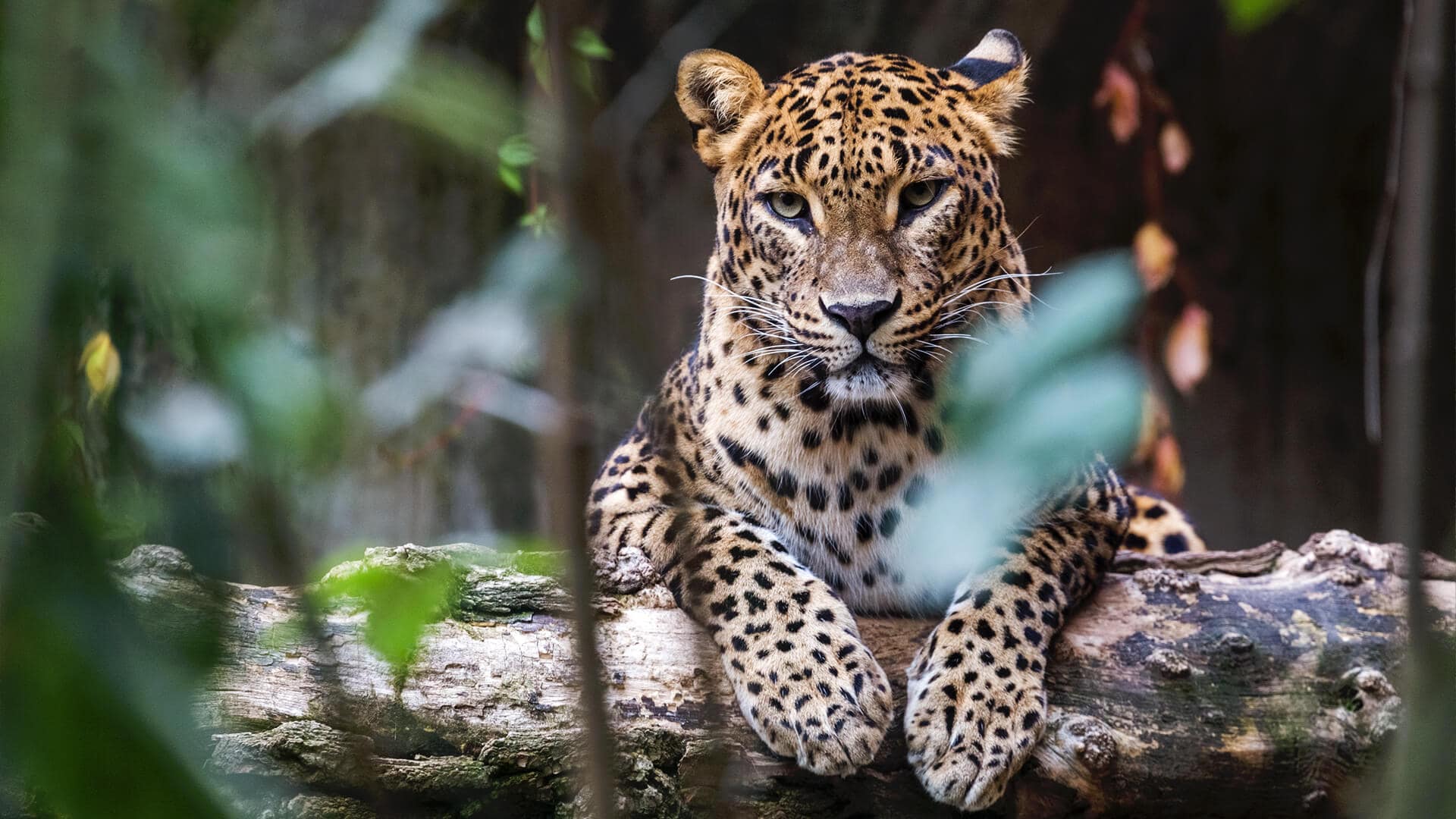
Yala's leopards are the Sri Lankan subspecies, found only on the island. With no lions or tigers to compete with, they are the top predator and often more relaxed in daylight than leopards elsewhere, which is one reason Yala sightings can be so good.
If no leopard appears
If no leopard appears, the wildlife and beach route still offers plenty. Yala's other animals, elephants, sloth bears, crocodiles, buffalo, deer and hundreds of birds, are worth the drive in their own right. Udawalawe occasionally produces a leopard, and Bundala's flamingos and Rekawa's turtles come next.
Some travellers add a Yala drive on the way back if the route allows, or plan a future trip with Wilpattu, which has its own leopards and far fewer jeeps.
Keeping expectations realistic helps. A leopard is a wonderful bonus, but a dawn drive that produces elephants in the mist, a sloth bear crossing a track or a crested hawk-eagle on a dead branch is a good morning by any standard.
Frequently asked questions
How many safaris do I need to see a leopard in Yala?
Two or three drives give a good chance, especially in the dry months from February to July. One dawn drive in Block I gives a fair chance. Leopards are never guaranteed, so more drives always help.
What is the best time of day to see leopards?
The first two hours after the gates open, around 6am, are usually best. Late afternoon, from about 4pm, is the second chance. Leopards rest in the shade at midday. Ask the driver to be at the gate early.
What month is best for leopards in Sri Lanka?
Roughly February to July, when Yala is dry and animals gather at waterholes. Many visitors find March to June the best. Block I usually closes from about September to mid-October.
Can you see leopards at Udawalawe?
Occasionally, but they are rarely seen. Udawalawe is known for elephants. For leopards, Yala Block I is the best park in Sri Lanka, with Wilpattu a quieter alternative. Sightings there are a bonus.
Is Yala Block I too crowded?
It can be busy, especially in peak season and at popular sightings. Dawn drives, ethical drivers who keep their distance and quieter blocks for a second drive help. Block I still offers the best odds for leopards.
Can I see a leopard and still have a beach holiday?
Yes. The 10-day wildlife and beach route gives up to three Yala drives in two nights, then six beach nights. That balance gives a good chance of a leopard without turning the trip into a safari holiday.