
Quick answer
A wildlife photography-focused itinerary in Sri Lanka prioritises a private vehicle with photography-friendly seating and beanbag or window-mount support, extended time at a sighting rather than moving on quickly, and drives timed specifically to the golden hours around sunrise and sunset when light is best. Yala and Wilpattu suit leopard and general wildlife photography, Udawalawe and Minneriya suit elephant photography, and Sinharaja rewards a slower, more patient approach for endemic bird photography.
Key takeaways
- A private vehicle with photography-friendly seating, extra space and beanbag or window-mount support for a long lens, matters more for a photographer than for a general wildlife-viewing traveller.
- A guide willing to stay at a productive sighting for an extended period, rather than moving on quickly to maximise the number of different animals seen, suits a photographer's priorities better than a standard tourist-paced drive.
- The golden hours around sunrise and sunset offer the best light for wildlife photography, and drives should be timed deliberately around these windows rather than a generic mid-morning or afternoon slot.
- Sinharaja rewards a slower, more patient approach for bird photography specifically, since many endemic species are small, fast-moving and found in low-light canopy conditions that require real technique.
- A longer itinerary, generally 10 days or more, gives a photographer the repeated attempts at a specific park or subject that photography, more than general wildlife viewing, often benefits from.
Vehicle and guide setup for serious photography
A private vehicle configured for photography, generally with extra space rather than a full complement of seats, and support for a beanbag or window mount to stabilise a long lens, makes a meaningful difference to image quality compared with a standard tourist safari jeep.
Equally important is a guide and tracker willing to stay at a productive sighting for an extended period, positioning the vehicle thoughtfully for light and angle, rather than moving on quickly to maximise the number of different animals seen within a fixed time slot.
Timing drives around light, not just animal activity
While the cooler hours around sunrise and late afternoon are generally best for animal activity across Sri Lanka's parks, they also happen to offer the golden hour light that photographers specifically prioritise, a fortunate overlap that makes early and late drives doubly valuable for this audience.
A photographer-focused itinerary should treat this timing as non-negotiable, structuring the day's schedule around these windows rather than fitting a drive in wherever convenient.
Which parks suit which kind of photography
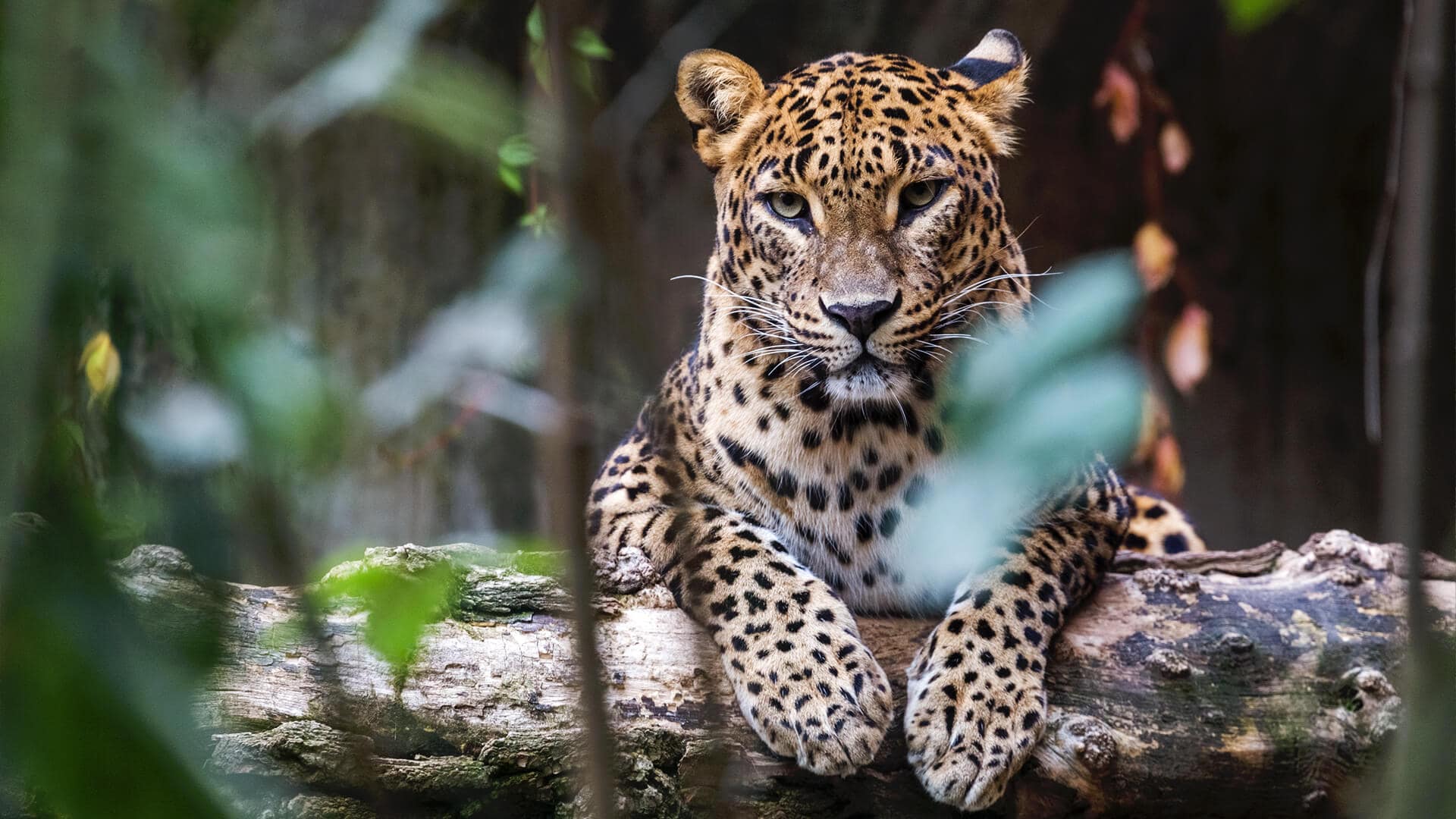
Yala and Wilpattu suit leopard and general dry-zone wildlife photography, with Yala's higher sighting frequency offering more opportunities within a limited number of drives, and Wilpattu's quieter conditions offering less vehicle interference in a shot.
Udawalawe and Minneriya suit elephant photography specifically, Udawalawe for reliable, closer individual and small-group shots, Minneriya (in Gathering season) for wide, dramatic shots of large elephant numbers together.
- →Yala/Wilpattu: leopard and general dry-zone wildlife photography.
- →Udawalawe: reliable, close individual and small-group elephant shots.
- →Minneriya (Gathering season): wide, dramatic shots of large elephant congregations.
- →Sinharaja: patient, technical bird photography in low-light canopy conditions.
Bird photography at Sinharaja: a different discipline
Sinharaja rewards a slower, more patient approach than a dry-zone safari, since many endemic bird species are small, fast-moving and found within dense, often low-light canopy conditions that require real technical skill, a fast lens and careful, quiet positioning.
A guide experienced specifically in locating and predicting the movement of mixed-species feeding flocks adds substantial value here, since much of successful bird photography depends on being positioned correctly before a flock arrives rather than reacting once it appears.
Why a longer itinerary suits photography specifically
A longer itinerary, generally 10 days or more, gives a photographer the repeated attempts at a specific park or subject that photography often benefits from more than general wildlife viewing does, since a single strong image frequently depends on several attempts under varying light and animal behaviour.
Allocating three or four nights, rather than two, at a priority park is a reasonable trade-off for a photography-focused traveller willing to sacrifice breadth of destinations for depth at fewer, carefully chosen ones.
Frequently asked questions
What vehicle setup is best for wildlife photography in Sri Lanka?
A private vehicle with extra space and support for a beanbag or window mount to stabilise a long lens, rather than a standard tourist safari jeep, makes a meaningful difference to image quality.
Which park is best for leopard photography?
Yala offers a higher sighting frequency, giving more opportunities within a limited number of drives, while Wilpattu's quieter conditions mean less vehicle interference in a shot, a trade-off worth weighing by priority.
When is the best light for wildlife photography in Sri Lanka?
The golden hours around sunrise and sunset, which also happen to be the periods of highest animal activity across most parks, a fortunate overlap worth structuring the day's schedule around.
Is Sinharaja good for bird photography?
Yes, though it requires patience and technique given the small, fast-moving species and often low-light canopy conditions; a guide experienced in predicting mixed-species feeding flock movement adds real value here.
How long should a photography-focused trip to Sri Lanka be?
Generally 10 days or more, giving repeated attempts at a specific park or subject, since strong wildlife images often depend on several attempts under varying light and animal behaviour.
Should a photographer prioritise breadth or depth in an itinerary?
Depth generally serves photography better than breadth; allocating three or four nights, rather than two, at a priority park is a reasonable trade-off for a photography-focused traveller.
Does Lankan Stays & Trails arrange photography-focused safaris?
Yes. We arrange private vehicles configured for photography, guides experienced with extended sightings and light-timed drives, and itineraries weighted toward depth at priority parks.