
Quick answer
Wilpattu National Park, on Sri Lanka's northwest coast, offers a quieter, more remote alternative to Yala for a luxury leopard-focused nature escape, built around roughly 60 natural sand-rimmed lakes called villus rather than open scrub. The dry season, roughly February to September, is the most reliable window for sightings, and a private vehicle with a dedicated tracker based at a nearby lodge typically covers two or three nights within a wider 10 to 14 day Swiss itinerary.
Key takeaways
- Wilpattu is Sri Lanka's largest national park, built around roughly 60 natural, sand-rimmed lakes called villus that draw and concentrate wildlife, a genuinely different landscape from Yala's open scrub jungle.
- Visitor numbers at Wilpattu are typically far lower than at Yala, making it the preferred choice for travellers who want the same leopard-territory habitat without the density of other safari vehicles.
- The dry season, roughly February to September, is generally the most reliable window for sightings, with the villus at their most concentrated wildlife draw as smaller water sources dry up elsewhere.
- Wilpattu sits closer to the Cultural Triangle and Colombo than Yala does, making it a natural safari stop on a route that also covers Sigiriya, Anuradhapura or Habarana.
- A private vehicle and tracker remain the single most valuable booking decision, since Wilpattu's larger size and lower vehicle density reward patient, informed tracking over a fixed loop.
What makes Wilpattu different from Yala
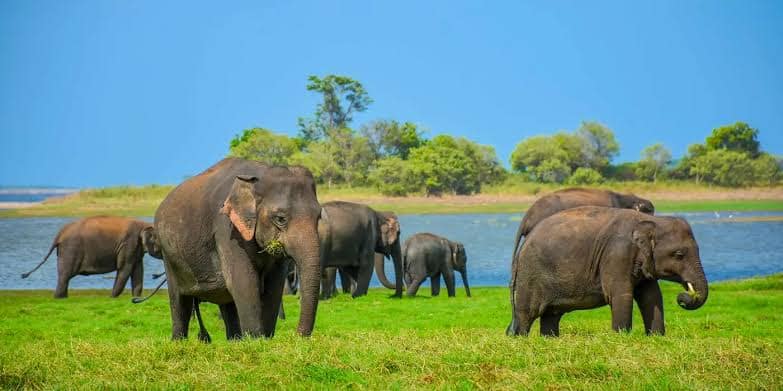
Wilpattu National Park, on the northwest coast, is Sri Lanka's largest protected area and takes its name from the villus, roughly 60 natural, sand-rimmed lakes scattered through dry-zone forest, that give the park a genuinely different character from Yala's open scrub. Leopards, sloth bears and elephants all share this terrain, drawn to the villus as reliable water sources through the dry months.
The practical difference most travellers notice first is quiet: Wilpattu receives markedly fewer visitors than Yala, so a sighting rarely comes with a queue of other jeeps, and the park's larger size rewards a full day's private drive rather than a short loop.
When to visit Wilpattu
The dry season, roughly February to September, is generally considered the most reliable window, as the villus concentrate wildlife while smaller seasonal water sources elsewhere dry up. This window is notably longer than Yala's, since Wilpattu sits slightly further from the island's wettest southwest corner.
December to March remains a comfortable time to visit for combining with the rest of a Swiss itinerary, even outside the driest months, since the park's lake system tends to hold water and draw wildlife for longer than drier terrain elsewhere.
A private safari built around the villus
A private vehicle with an experienced tracker matters even more at Wilpattu than at smaller parks, simply because of its size: knowing which villu is holding water and wildlife on a given week is local knowledge that a good guide carries from recent drives, not something a fixed map route can replace.
A full-day private safari, with a packed breakfast taken inside the park rather than a return to the lodge, is a common way to cover more of Wilpattu's ground in a single visit, particularly for travellers with only one or two nights allocated to it.
- →Private 4x4 with a tracker who knows current villu water levels and recent sightings.
- →A full-day option with an in-park breakfast, covering more ground than a half-day loop.
- →Lower vehicle density than Yala, so a sighting is rarely shared with a queue of other jeeps.
- →A pairing with a Cultural Triangle stop, since Wilpattu sits closer to Sigiriya and Anuradhapura than Yala does.
Where to stay near Wilpattu
Luxury stays near Wilpattu tend toward smaller lodges and tented camps just outside the park boundary, generally more intimate in scale than the cluster of properties near Yala, reflecting the park's own lower visitor volume.
Two nights is a reasonable minimum for two full drives; three nights suits travellers prioritising Wilpattu as their main wildlife stop rather than pairing it with a second park elsewhere.
Fitting Wilpattu into a Swiss nature itinerary
Wilpattu's location makes it a natural link between the Cultural Triangle and the west coast, useful for travellers building a route through Sigiriya or Habarana before heading south, rather than adding a separate detour purely for wildlife.
It is a genuine alternative to Yala rather than an addition to it for most itineraries; choosing between the two usually comes down to whether quiet and a lake landscape (Wilpattu) or the highest recorded leopard density and shorter drive times from the south coast (Yala) matters more to a specific trip.
Frequently asked questions
Is Wilpattu better than Yala for a safari?
Neither is objectively better; they suit different priorities. Wilpattu offers a quieter experience and a distinctive lake landscape with lower visitor numbers, while Yala has the higher reported leopard density and sits closer to the south coast.
What is a villu in Wilpattu National Park?
A villu is a natural, sand-rimmed lake, and Wilpattu contains roughly 60 of them scattered through dry-zone forest. They act as reliable water sources that draw and concentrate wildlife, particularly through the dry months.
When is the best time to visit Wilpattu?
Roughly February to September is generally the most reliable window, as the villus concentrate wildlife while other water sources dry up. This dry-season window runs longer than Yala's, since Wilpattu sits further from the wettest southwest corner.
How many days do I need at Wilpattu?
Two nights allow for two full drives; three nights suit travellers making Wilpattu their primary wildlife stop rather than pairing it with a second park elsewhere on the trip.
Is Wilpattu good for a private safari?
Yes, and arguably more so than smaller parks, since its larger size rewards a guide who carries current knowledge of which villu is holding water and wildlife, something a private tracker provides more reliably than a shared jeep on a fixed route.
Can Wilpattu be combined with the Cultural Triangle?
Yes. Wilpattu sits closer to Sigiriya, Anuradhapura and Habarana than Yala does, making it a natural safari stop on a route that also covers the Cultural Triangle before continuing to the coast.
Does Lankan Stays & Trails arrange private Wilpattu safaris?
Yes. We book private vehicles, trackers with current villu knowledge and nearby lodge stays around Wilpattu, built into a wider nature-focused itinerary alongside the Cultural Triangle or the coast.