
Quick answer
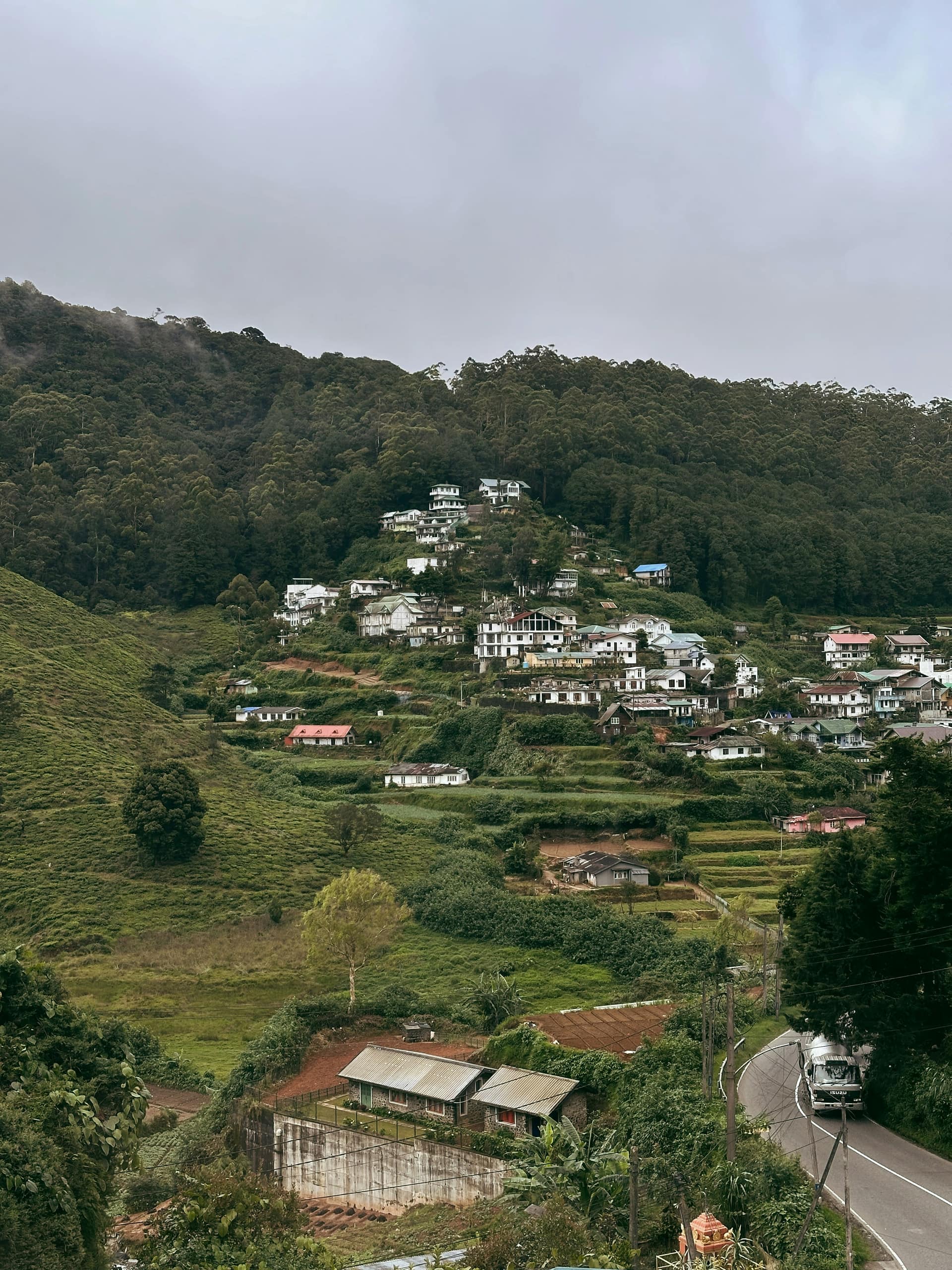
Nuwara Eliya's cool climate is a strong reason to go: at about 1,890 metres, days usually reach roughly 15 to 21 degrees and nights often drop to 8 to 12, colder from December to February. That means long walks without heat exhaustion, fires in the evening and deep sleep after a hot week in the lowlands. Mist and drizzle are common from May to September, and January to March is usually clearest. Pack a fleece and a waterproof in any month.
Key takeaways
- Nuwara Eliya sits at about 1,890 metres, which makes it roughly 12 to 15 degrees cooler than Colombo on most days.
- Night-time temperatures in Nuwara Eliya often fall to 8 to 12 degrees, and ground frost is possible on clear nights from December to February.
- January to March is usually the driest and clearest stretch in Nuwara Eliya, with the coldest mornings.
- The south-west monsoon, roughly May to September, brings mist, wind and drizzle to Nuwara Eliya rather than heavy tropical downpours.
- Horton Plains, roughly an hour from Nuwara Eliya and over 2,000 metres, is colder and windier again at dawn.
Why Nuwara Eliya's climate matters on a Sri Lanka trip
Nuwara Eliya's climate matters because heat is the main thing that tires travellers in Sri Lanka. The Cultural Triangle can reach the mid thirties in April, and the coast is humid all year. A town where the afternoon peak is around 20 degrees lets the body recover, and it makes a full day on foot easy.
Nuwara Eliya also changes the rhythm of the day. Mornings are crisp, so you start early. Lunch is the warmest hour. By 5pm a jumper goes on, and by dinner most hotels have a fire lit. After a week of air-conditioning, sleeping with the window shut under a blanket feels like a holiday in itself.
- →Colombo and the coast: roughly 27 to 32 degrees most of the year.
- →Kandy at about 500 metres: roughly 26 to 31 degrees by day.
- →Ella at about 1,000 metres: low to mid twenties by day.
- →Nuwara Eliya at about 1,890 metres: roughly 15 to 21 degrees by day.
Nuwara Eliya's temperatures through the year
Nuwara Eliya's temperature changes little across the year; what changes is cloud and rain. Days stay around 15 to 21 degrees in most months, slightly warmer in April and May. Nights are coldest from December to February, when clear skies let heat escape and thermometers can approach freezing in low-lying valleys.
Nuwara Eliya's rain comes mostly as mist and drizzle from the south-west monsoon between May and September, and as heavier inter-monsoon showers in October and November. January to March is usually the driest period. Because the town sits high on the central massif, weather can switch within an hour, so treat every forecast as a rough guide.
- →January to March: clearest skies, coldest nights, best for Horton Plains.
- →April: mildest days, busiest town.
- →May to September: misty, breezy, often grey but rarely hot.
- →October to December: heavier showers, green estates.
What the cool air lets you do
Nuwara Eliya's cool air turns walking from an early-morning chore into an all-day pleasure. The walk from the centre round Gregory Lake, the climb through tea to Lover's Leap and an afternoon in Hakgala Botanical Garden are comfortable at noon, which is rarely true in Kandy or Sigiriya.
Nuwara Eliya's climate also suits travellers who struggle in the heat: older visitors, people with heart or breathing conditions that heat aggravates, and anyone who has been unwell on the coast. Altitude at 1,890 metres is modest, and most people notice nothing beyond slight breathlessness on the first steep slope.
Fires, blankets and early nights
Nuwara Eliya evenings are part of the case for going. Older hotels and bungalows light fires in the lounge, many rooms have hot water bottles or heaters, and a pot of tea after dark feels natural rather than touristic. Dinner tends to be early and hearty, with soups and roasts beside rice and curry.
Nuwara Eliya does not suit everyone after dark. There is little outdoor nightlife, and anyone who packed only shorts will be cold. Lankan Stays & Trails briefs travellers on layers before the drive up, and asks hotels for extra blankets in the coldest months.
- →Bring a fleece or wool jumper, long trousers and warm socks.
- →Ask whether your room has a heater before booking in January or February.
- →A light hat and gloves help on a dawn trip to Horton Plains.
When the climate works against you
Nuwara Eliya's climate has a downside: mist. On a grey day in July, the views of tea and peaks can vanish for hours, and photographers may wait in vain. The answer is flexibility. Plan indoor tea tastings and garden visits for the afternoon, and keep viewpoints for the early morning.
Nuwara Eliya can also be colder than people expect in January, especially in rooms without heating. Check the room, pack properly and you will enjoy it. Travellers who hate cold of any kind should keep their visit to one night and continue to Ella, which is roughly six to eight degrees warmer.
Frequently asked questions
Is Nuwara Eliya the coldest place in Sri Lanka?
Nuwara Eliya is the coldest town most visitors stay in, at about 1,890 metres. Horton Plains, over 2,000 metres and about an hour away, is colder, and the summit of Pidurutalagala at 2,524 metres is colder still. No inhabited town on the usual route is cooler.
Does it snow in Nuwara Eliya?
It does not snow in Nuwara Eliya. Ground frost is possible on clear nights between December and February, especially in low valleys and on open grassland near Horton Plains, but daytime temperatures stay well above freezing.
Do I need warm clothes for Nuwara Eliya?
You do need warm clothes for Nuwara Eliya in every month. A fleece or wool jumper, long trousers, closed shoes and a light waterproof cover most days. Add a hat and gloves for a dawn visit to Horton Plains, which is colder and windier than the town.
Is the climate in Nuwara Eliya good for older travellers?
The climate in Nuwara Eliya suits many older travellers well, because walking is comfortable all day and nights are cool for sleeping. The altitude of about 1,890 metres is modest. Anyone with heart or lung conditions should still ask their doctor before travelling to any altitude.
Why is Nuwara Eliya so cold?
Nuwara Eliya is cold because of its height. Air cools by roughly six degrees for every 1,000 metres of altitude, and the town sits about 1,890 metres up on the central massif. Clear dry nights in the first months of the year lose heat quickly.
Is Nuwara Eliya too cold to enjoy?
Nuwara Eliya is rarely too cold to enjoy if you pack properly. Days are usually mild at 15 to 21 degrees. The cold is felt mainly at dawn and after dark, and most hotels offer fires, heaters or extra blankets during the coldest months.