
Quick answer
Nuwara Eliya from January to March is usually at its driest and clearest, making it the best window for views, Horton Plains and photography. Days run roughly 15 to 20 degrees, but nights can fall to single figures, with ground frost possible on clear nights, especially in January and February. It is also the quality season for Nuwara Eliya tea. The town is moderately busy, with a rise in late March. Pack proper warm layers. The south and west coasts are dry at the same time.
Key takeaways
- January to March is usually the driest and clearest period in Nuwara Eliya.
- Nights in Nuwara Eliya from January to February can fall to single figures, with ground frost possible on clear nights.
- January to March is the quality season for Nuwara Eliya's high-grown tea.
- Horton Plains is most likely to offer clear views at World's End between January and March.
- The south and west coasts of Sri Lanka are also usually dry from January to March, making easy combinations.
What the weather is like
Nuwara Eliya from January to March sits between the north-east monsoon, which has usually eased, and the April inter-monsoon. The result is the driest, clearest stretch of the year. Mornings often dawn cloudless, with mist lying only in the valleys.
Nuwara Eliya's temperatures in these months run roughly 15 to 20 degrees by day and can fall to single figures at night. On clear nights in January and February, ground frost can whiten open grassland and low valleys, including parts of Horton Plains. Rooms without heating feel cold.
Nuwara Eliya still sees occasional showers, especially in January and late March, and cloud can build by afternoon. Plan views for the morning.
- →Days: roughly 15 to 20 degrees.
- →Nights: single figures possible, frost on clear nights.
- →Skies: usually clearest of the year.
Why this is the classic window
Nuwara Eliya from January to March delivers what most visitors come for: clear views from Moon Plains and Single Tree Hill, the best chance of a view at World's End, crisp photography and comfortable walking. Gardens begin to brighten towards March.
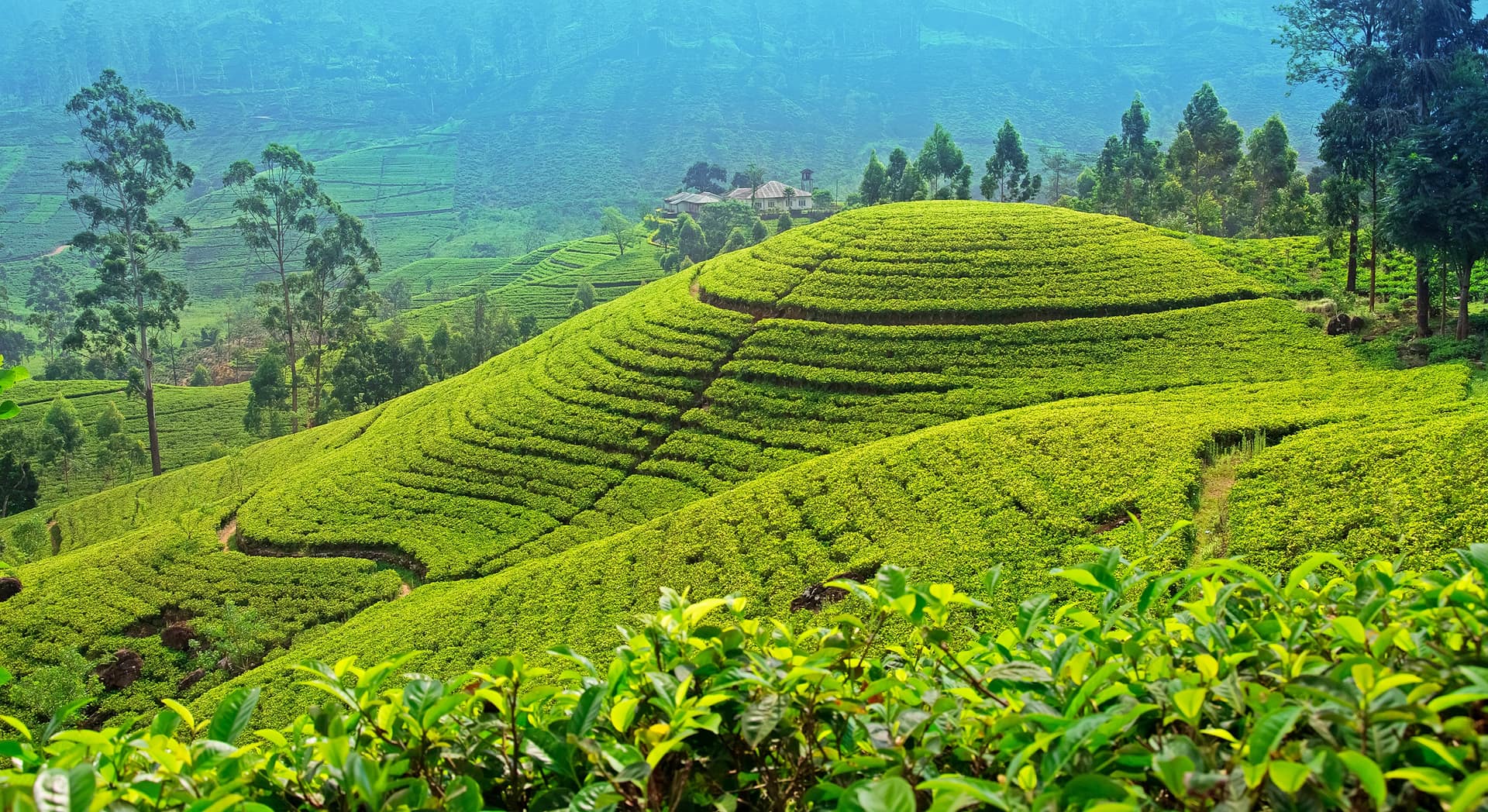
Nuwara Eliya's tea is also at its best. January to March is the quality season, when cold, dry weather produces the most fragrant high-grown leaf. Factory visits and tastings are especially rewarding.
- →Horton Plains: best odds of a clear view.
- →Tea: the quality season.
- →Walking: dry paths, fewer leeches.
Crowds and prices
Nuwara Eliya from January to March is moderately busy with international visitors, as it coincides with the main tourist season across Sri Lanka. Weekends draw domestic visitors, and late March sees prices start to climb towards the April peak.
Nuwara Eliya's accommodation should be booked ahead for weekends and late March. Horton Plains is busy at dawn; arriving at opening helps.
Nuwara Eliya's busiest days in this window tend to fall around long weekends and poya days, when Sri Lankan families drive up for a break. Poya dates shift each year with the lunar calendar, so check before booking, and avoid driving up from Kandy on a Saturday morning if you can.
What to pack
Packing for Nuwara Eliya from January to March means proper warm layers: a fleece or wool jumper, a warm jacket for dawn, long trousers, warm socks, a hat and gloves for Horton Plains. A light waterproof is still sensible.
Packing also means asking about heating. Older rooms can be cold and draughty; request a heater or extra blankets. Lankan Stays & Trails briefs travellers on clothing before the drive up and books rooms with heating in these months.
- →Warm jacket for dawn starts.
- →Hat and gloves for Horton Plains.
- →Ask for a heated room.
Fitting it into a wider trip
Nuwara Eliya from January to March fits perfectly with the south and west coasts, which are also dry. A classic route runs from the Cultural Triangle through Kandy and Nuwara Eliya to Ella, then down to the south coast beaches.
Nuwara Eliya also suits travellers escaping northern-hemisphere winter who want a contrast of cool hills and warm beaches in one trip.
Nuwara Eliya also fits a shorter January to March trip: Colombo, Kandy, Nuwara Eliya and Ella in a week, with a final night near the airport. Two nights in Nuwara Eliya is ideal in these months, because the reliable mornings make both Horton Plains and a viewpoint like Moon Plains worthwhile. Lankan Stays & Trails schedules Horton Plains for the clearest forecast morning.
Frequently asked questions
Is January a good time to visit Nuwara Eliya?
January is a good time to visit Nuwara Eliya, with usually clear skies and dry weather. Nights are cold, sometimes with frost, so pack warm layers. It is also part of the tea quality season.
Does it frost in Nuwara Eliya?
Ground frost can occur in Nuwara Eliya on clear nights in January and February, especially on open grassland and in low valleys. It melts quickly after sunrise. Daytime temperatures stay well above freezing.
How cold is Nuwara Eliya in February?
Nuwara Eliya in February usually has days of roughly 15 to 20 degrees and nights that can fall to single figures, with occasional frost. It is one of the coldest and clearest months of the year.
Is March a good month for Nuwara Eliya?
March is a very good month for Nuwara Eliya, usually dry and clear, with slightly warmer nights than January and February and gardens starting to bloom. Prices begin rising towards the April season late in the month.
Is Horton Plains clear in January to March?
Horton Plains is most likely to be clear between January and March, when skies are driest. Arrive at opening, as cloud often builds by mid-morning. Clear views at World's End are never guaranteed.
What should I wear in Nuwara Eliya in January?
In Nuwara Eliya in January, wear warm layers: a fleece or wool jumper, a warm jacket for early mornings, long trousers, warm socks, and a hat and gloves for Horton Plains. A light waterproof is also wise.