
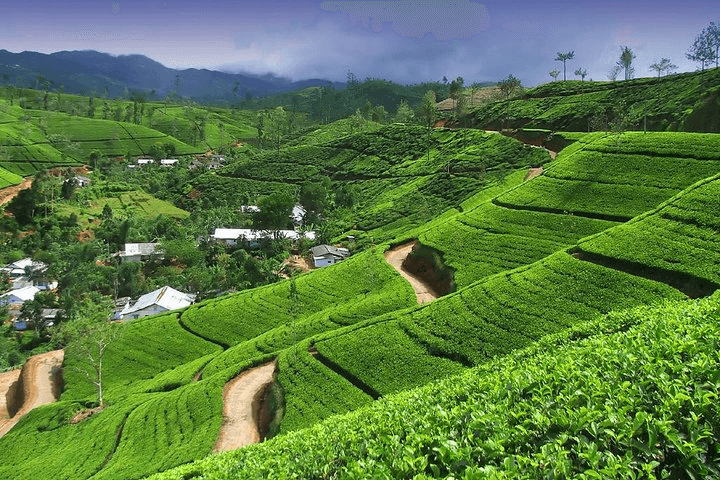
Quick answer
Nuwara Eliya tea is different because it grows higher than any other Ceylon tea, at roughly 1,800 to 2,000 metres, where cold nights slow the bush and concentrate flavour. The result is a light, bright, golden cup with floral and citrus notes, sometimes called the champagne of Ceylon teas. Nuwara Eliya is one of the island's seven tea regions, and its best leaf is usually made from about January to March. Pedro and Labookellie estates offer tastings near town.
Key takeaways
- Nuwara Eliya is the highest of Ceylon tea's seven growing regions, with estates at roughly 1,800 to 2,000 metres.
- High-grown Nuwara Eliya tea brews a pale golden liquor and is usually drunk without milk.
- The best-flavoured Nuwara Eliya teas are generally made in the dry, cold months from about January to March.
- Pedro Tea Estate, about three to four kilometres east of Nuwara Eliya, offers factory walks and tastings.
- Uva teas from the eastern slopes near Ella peak roughly July to September and taste brisker than Nuwara Eliya tea.
What makes Nuwara Eliya tea different
Nuwara Eliya tea is different because of height and cold. At roughly 1,800 to 2,000 metres the tea bush grows slowly, and chilly nights hold back the leaf. Slow growth means smaller, more aromatic shoots. The tea made from them is lighter in body than lowland tea but brighter and more fragrant.
Nuwara Eliya tea is also made in a particular way. Pluckers take two leaves and a bud, and the factories nearby wither, roll, oxidise and dry the leaf within a day. Because the leaf is delicate, oxidation is often kept short, which keeps the colour pale and the flavour fresh.
- →Altitude: roughly 1,800 to 2,000 metres, the highest in Ceylon.
- →Liquor: pale gold to light amber.
- →Taste: floral, citrus and slightly grassy, with gentle astringency.
- →Best drunk: plain, or with lemon; milk tends to flatten it.
Nuwara Eliya among Ceylon's seven tea regions
Nuwara Eliya is one of seven Ceylon tea regions: Nuwara Eliya, Uda Pussellawa, Uva, Dimbula, Kandy, Sabaragamuwa and Ruhuna. They are often grouped by height into high-grown, mid-grown and low-grown. Nuwara Eliya is the smallest of the high-grown districts in output, and the highest of them all.
Nuwara Eliya tea is easy to compare with its neighbours on a single trip. Dimbula, around Hatton and Talawakele to the west, makes full, brisk teas. Uva, on the eastern slopes near Ella and Haputale, has a distinctive, almost minty note in its July to September season. Tasting all three in a week makes the differences obvious.
The quality season from January to March
Nuwara Eliya's best tea is usually made from about January to March, when dry, cold weather on the western side of the hills slows growth and sharpens flavour. Brokers in Colombo watch these weeks closely. Tea made in the wet middle of the year is still good, but softer.
Nuwara Eliya's quality season overlaps with the clearest weather for visitors, which is a happy coincidence. Factories run most days, though the busiest processing is usually in the morning. Travellers arriving after lunch may see quiet machinery but can still taste the morning's leaf.
- →January to March: the quality season for Nuwara Eliya teas.
- →July to September: the quality season for Uva teas near Ella.
- →Factories usually process in the morning; plan to arrive before noon.
How to taste Nuwara Eliya tea properly
Nuwara Eliya tea tastings are short and informal at most estates, but a few habits help. Taste a high-grown tea without milk first, then try it next to a stronger blend. Notice the colour of the liquor, the smell of the wet leaf and how quickly the flavour fades.
Nuwara Eliya estates sell tea in their shops, and buying at the source supports the factory directly. Loose leaf keeps better than tea bags. Lankan Stays & Trails includes a tasting at an estate near town on most hill country routes and can arrange a longer session with a planter where one is available.
- →Look: hold the cup against white; high-grown tea is pale and clear.
- →Smell: the wet leaf should be fresh and floral.
- →Taste: slurp, then notice the brisk finish on the sides of the tongue.
The people behind the cup
Nuwara Eliya's tea is plucked largely by Hill Country Tamil women, whose families were brought from South India by British planters in the nineteenth century. Plucking is skilled, outdoor work in cold, wet conditions, and wages and estate housing remain a live issue in Sri Lanka.
Nuwara Eliya visitors can engage respectfully. Ask before photographing pluckers, accept a refusal, and if a guide offers to explain estate life, listen. Buying tea from estate shops rather than roadside sellers helps keep money in the industry.
Frequently asked questions
Why is Nuwara Eliya tea called the champagne of Ceylon tea?
Nuwara Eliya tea is sometimes called the champagne of Ceylon tea because it is light, bright and fragrant, with a delicate body unlike the stronger teas of lower regions. The nickname is a marketing phrase rather than a formal grade, but it describes the style well.
Is Nuwara Eliya tea black tea?
Most Nuwara Eliya tea is black tea, made by withering, rolling, oxidising and drying the leaf. Because oxidation is often kept light, it brews paler than most black teas. A few estates also make small amounts of green and white tea.
What is the best tea region in Sri Lanka?
No single tea region in Sri Lanka is best; each suits a different taste. Nuwara Eliya makes the lightest and most floral tea, Uva makes a brisk tea with a distinctive note, Dimbula makes full-bodied tea and the low-grown regions make dark, malty tea.
Should you drink Nuwara Eliya tea with milk?
Nuwara Eliya tea is best drunk without milk, or with a slice of lemon. Milk covers its delicate floral flavour. If you like milky tea, choose a stronger Dimbula or low-grown blend instead, both of which are sold in estate shops around the town.
When is the best time to taste tea in Nuwara Eliya?
The best time to taste tea in Nuwara Eliya is from about January to March, the quality season, and in the morning, when factories are processing fresh leaf. Tastings run all year, so a visit in other months still shows the region's style clearly.
Can you visit tea estates in Nuwara Eliya?
You can visit tea estates in Nuwara Eliya. Pedro Tea Estate east of town and Labookellie on the Ramboda road both welcome visitors for short factory walks and tastings. Opening hours vary and factory floors sometimes close, so confirm on the day.