
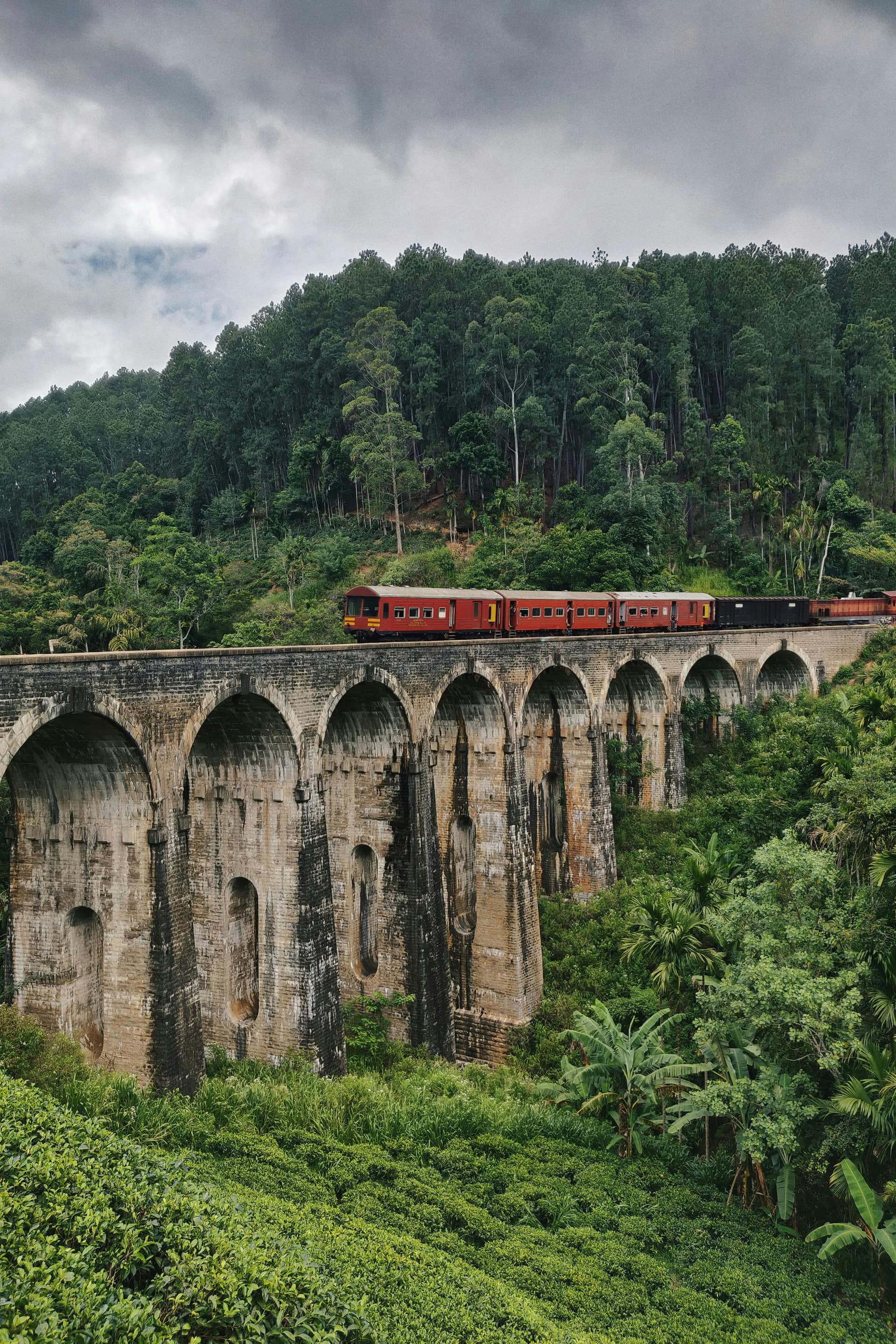
Quick answer
Uva tea is the tea grown on the eastern slopes of Sri Lanka's hill country around Ella, Haputale and Badulla, one of the island's seven Ceylon tea regions. It is often described as brisk and bright, with a distinctive, almost minty or wintergreen note in its best season. That season runs roughly July to September, when dry winds from the south-west monsoon cross the hills and stress the bushes, concentrating flavour. Tasting it plain in Ella, before milk, is the easiest way to notice the difference.
Key takeaways
- Uva is one of the seven Ceylon tea regions, alongside Nuwara Eliya, Dimbula, Uda Pussellawa, Kandy, Ruhuna and Sabaragamuwa.
- Uva tea grows on the eastern slopes of the hill country, including the estates around Ella, Haputale and Badulla.
- The Uva quality season runs roughly July to September, when dry winds cross the eastern slopes.
- Uva teas are often described as brisk, with a distinctive, almost minty or wintergreen note at their best.
- Thomas Lipton's Dambatenne estate near Haputale is in the Uva region, roughly an hour from Ella.
What Uva tea is
Uva tea is the tea grown in the Uva region on the eastern side of Sri Lanka's central highlands. It is one of the seven official Ceylon tea regions, and its estates spread across the slopes around Ella, Haputale, Bandarawela, Passara and Badulla.
Most Uva tea is grown at high or medium elevation, and the region's position on the eastern side of the hills gives it a different weather pattern from the western regions such as Dimbula. That difference in climate is the root of its distinct character.
- →Region: the eastern slopes of the central highlands, in Uva Province.
- →Towns: Ella, Haputale, Bandarawela, Passara and Badulla.
- →Neighbouring regions: Nuwara Eliya and Uda Pussellawa to the west and north.
- →Famous estate: Dambatenne near Haputale, associated with Thomas Lipton.
Why the Uva season falls between July and September
The Uva quality season exists because of the south-west monsoon. From roughly May to September the monsoon drops heavy rain on the western slopes, and by the time the air crosses the hills to Uva it has lost its moisture and blows as a dry, sometimes strong wind.
Between roughly July and September those dry winds slow the growth of the bushes and concentrate flavour in the leaf. Teas made in this window are the ones buyers seek out, and they are where Uva's distinctive note is strongest. Tea is still plucked year-round, but this is the window that made the region's name.
What Uva tea tastes like
Uva tea is usually described as brisk and bright, with a clean, slightly astringent finish. In its best season many tasters notice a cooling, almost minty or wintergreen note, which is unusual among black teas and is the region's signature.
The liquor is typically a bright coppery colour. Uva teas stand up well to milk, which is why they are often used in breakfast blends, but the character is easiest to notice when tasted plain.
- →Body: medium, brisk and bright.
- →Signature note: a cooling, almost minty or wintergreen character in the best season.
- →Colour: bright, coppery liquor.
- →With milk: holds up well, which is why it appears in breakfast blends.
Uva tea compared with other Ceylon teas
Uva tea sits between the lightest and the strongest of the Ceylon regions. Nuwara Eliya, the highest region at around 1,900 metres, produces light, delicate, floral teas. Dimbula, on the western slopes, produces well-rounded, mellow teas with its own quality season early in the year.
Lowland regions such as Ruhuna and Sabaragamuwa produce strong, dark, full-bodied teas. Uva's brightness and cooling note make it easy to pick out once you have tasted it alongside the others.
- →Nuwara Eliya: light, delicate and floral.
- →Dimbula: mellow and rounded, western slopes.
- →Uva: brisk and bright, with a cooling note.
- →Ruhuna and Sabaragamuwa: strong, dark and full-bodied lowland teas.
How to taste Uva tea properly in Ella
Ella is an ideal place to taste Uva tea because it is grown on the slopes around you. A factory visit usually ends with a cup, and some offer different grades side by side. Ask to taste the tea plain first, then add milk to see how it changes.
A simple home-style tasting works anywhere: brew the leaf for three to four minutes in water just off the boil, let it cool slightly, and sip before adding anything. Notice the brightness on the tongue first, then the finish. A second cup with milk shows why Uva is prized for breakfast blends.
If you are in Ella between roughly July and September, ask whether any seasonal Uva teas are available. Buying leaf tea from a factory shop is the best way to take the taste home, and it keeps more of the money in the local estate economy.
Making tea part of your reason to visit Ella
Uva tea turns Ella from a scenic stop into a place with a story you can taste. A tea estate walk in the morning, a factory visit in the afternoon and a plain cup on a verandah as the light goes are an easy, unhurried day.
Lankan Stays & Trails can arrange tastings with estate guides who explain the grades and the region's history, so the tea you buy at the end means more than a souvenir.
Frequently asked questions
What is Uva tea?
Uva tea is black tea grown in the Uva region on the eastern slopes of Sri Lanka's hill country, around Ella, Haputale and Badulla. It is one of the seven Ceylon tea regions and is known for a brisk, bright taste with an almost minty note in its best season.
When is the Uva tea season?
The Uva quality season runs roughly July to September. During these months dry winds from the south-west monsoon cross the hills, slowing the bushes' growth and concentrating flavour. Tea is plucked year-round, but this window produces the most sought-after Uva teas.
What does Uva tea taste like?
Uva tea is usually described as brisk and bright with a clean, slightly astringent finish. In its best season many tasters notice a cooling, almost minty or wintergreen note. The liquor is a bright coppery colour and holds up well with milk.
Is Ella tea the same as Nuwara Eliya tea?
No. Ella is in the Uva region, while Nuwara Eliya is a separate region at higher altitude. Nuwara Eliya teas are lighter and more floral; Uva teas are brisker and brighter. The two regions have different weather patterns because they sit on different sides of the hills.
Where can I buy Uva tea in Ella?
Tea factory shops around Ella sell Uva tea in a range of grades, usually fresher than in souvenir shops elsewhere. Buying at the factory also keeps more of the money in the estate economy. Sealed leaf tea travels well.
Is Uva tea good with milk?
Yes. Uva tea's brisk, bright character holds up well with milk, which is why it often appears in breakfast blends. To notice its distinctive cooling note, taste it plain first, then add a little milk to see how the flavour softens and rounds out.
Did Thomas Lipton grow tea in Uva?
Yes. Thomas Lipton's Dambatenne estate lies near Haputale in the Uva region, roughly an hour from Ella. Lipton's Seat, the viewpoint above the estate, is named after him and is a popular early-morning excursion.