
Quick answer
A private tea-tasting and estate experience in Sri Lanka's hill country pairs a guided walk through a working tea estate's terraced rows with a structured cupping session, usually led by a resident planter or trained taster who explains how altitude, season and processing shape each grade of Ceylon tea. It differs from a standard factory-tour stop, which is typically a brief, unguided walk-through ending at a retail counter, by being private, longer, and centred on genuinely tasting and comparing teas rather than buying them.
Key takeaways
- Sri Lanka's tea country splits into distinct growing regions by altitude, with Nuwara Eliya's high-grown tea and the lower estates around Ella producing noticeably different character in the cup.
- A private tasting session typically compares 4 to 6 grades or origins side by side, guided through colour, aroma and taste rather than a single unexplained cup.
- Most standard roadside factory tours run 20 to 30 minutes and are unguided beyond the production floor; a private estate experience typically runs 1.5 to 3 hours.
- December to March, the same peak season for the wider hill country, also tends to be when the best private guides and smaller estates are most in demand and worth booking ahead for.
- Ceylon tea's British colonial-era origins mean many working estates still operate from 19th-century bungalows and processing buildings, adding a genuine heritage layer beyond the tasting itself.
Beyond the standard factory tour
Most Kandy-to-Ella road itineraries include one roadside tea factory stop: a short, largely unguided walk past withering troughs and rolling machines, ending at a shop counter selling packaged tea. It is a reasonable introduction, but it rarely explains what makes one grade different from another, and the tasting, if offered at all, is usually a single unexplained cup.
A private tea-tasting and estate experience replaces that with time, a dedicated guide, usually a resident planter, estate manager or trained tea taster, and a structured route through the working estate itself, not just the processing floor.
Sri Lanka's tea-growing regions and why altitude matters
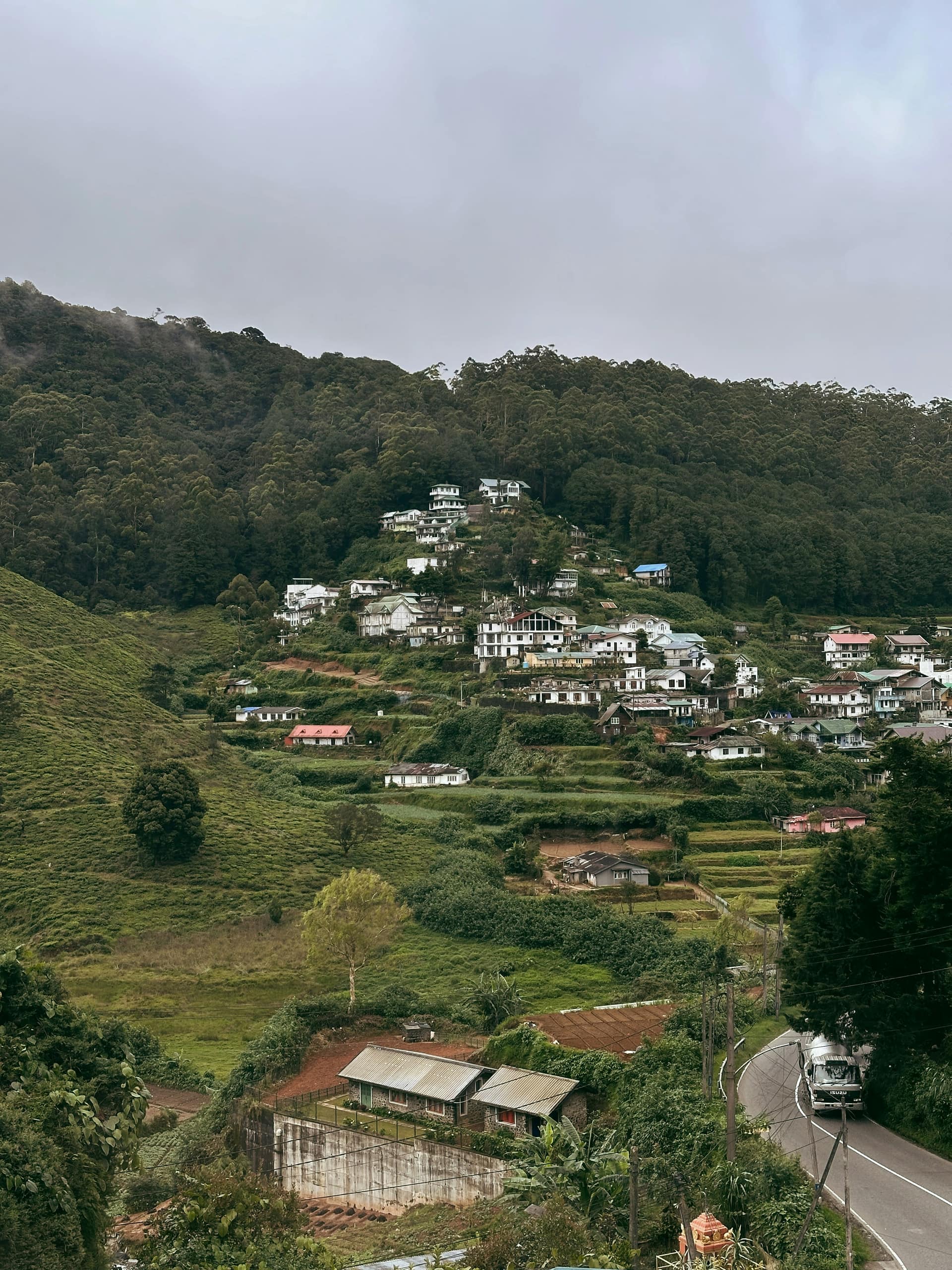
Ceylon tea is graded partly by altitude, and the differences are genuinely tasteable. Nuwara Eliya's high-grown estates, generally above 1,800 metres, produce a lighter, more delicate cup often compared to a fine white wine, while the mid-grown estates around Ella and the lower estates further south produce fuller, more robust character.
A private estate visit in either region can include a walk through the terraced bushes with pickers at work during the harvesting season, a stop at the withering and rolling floors with the guide explaining each stage, and finally the tasting itself, usually indoors in a tasting room modelled on the format used by professional tea buyers.
- →Nuwara Eliya (high-grown, generally above 1,800m): lighter, more delicate character.
- →Ella and mid-elevation estates: fuller-bodied, more robust cup.
- →Both regions are within Sri Lanka's hill country, roughly 3 to 4 hours by road from Kandy.
What a private tasting session actually involves
A proper cupping session typically compares 4 to 6 different grades or estates side by side, following the same structured format professional tea buyers use: assessing the dry leaf, then the infused leaf's aroma, then the liquor itself for colour, body and finish. A good guide explains what to look for rather than simply pouring and waiting.
Sessions are often paired with a light snack of short eats or a slice of something baked in an estate kitchen, and the better private experiences end with the guide helping select a few grades to take home rather than a generic gift-shop upsell.
- →Dry leaf assessment: colour, size and grade (whole leaf, broken, fannings, dust).
- →Infused leaf: aroma before and after steeping.
- →Liquor: colour, body, astringency and finish, tasted the way a professional buyer would.
Booking a private estate visit and how long to allow
A private tea-tasting and estate experience typically runs 1.5 to 3 hours, longer than any roadside factory stop, and is best booked ahead rather than arranged on arrival, particularly during the December to March peak season when both the hill country's accommodation and its smaller, better-known estates see the most demand.
Some tea-estate bungalow properties in Nuwara Eliya and around Ella build a private tasting directly into a stay, using their own resident planter or a visiting tea expert, which removes the need to arrange a separate outing entirely.
Who this experience suits
This suits travellers who already enjoy tea as a subject in its own right, or who simply want more from the hill country stop than a shop counter and a photograph of the terraces. It works particularly well as a half-day addition to a stay in Nuwara Eliya or Ella, rather than a rushed stop between longer drives.
Travellers with limited time who only want the visual, terraced hillsides, the Kandy-Ella train views, the misty mornings, are equally well served by the standard factory stop most itineraries already include; the private tasting is an upgrade for those wanting to genuinely understand what is in the cup, not a replacement for the scenery itself.
Fitting a private tasting into a hill-country stay
A private tea-tasting and estate experience sits naturally alongside a stay in Nuwara Eliya or Ella, either as a half-day booked separately or built into a tea-estate bungalow property's own programme. It pairs well with a scenic stretch of the Kandy-Ella railway on the same trip, since both experiences draw on the same hill-country landscape from different angles.
Lankan Stays & Trails arranges private tastings with working estates in both Nuwara Eliya and around Ella, matching the session to a client's existing hill-country stay rather than treating it as a standalone add-on.
Frequently asked questions
How is a private tea-tasting experience different from a factory tour?
A standard factory tour is a brief, largely unguided walk through the processing floor ending at a retail counter, usually 20 to 30 minutes. A private tasting adds a dedicated guide, a structured comparison of several tea grades, and typically runs 1.5 to 3 hours across the estate itself, not just the factory.
What is the difference between Nuwara Eliya and Ella tea?
Nuwara Eliya's high-grown estates, generally above 1,800 metres, produce a lighter, more delicate cup. Ella and the mid-elevation estates nearby produce a fuller-bodied, more robust character. Both are part of Sri Lanka's Ceylon tea-growing hill country, roughly 3 to 4 hours by road from Kandy.
How long does a private tea-estate experience take?
Typically 1.5 to 3 hours, covering a walk through the working estate, a look at processing, and a structured tasting session comparing several grades. This is considerably longer than the roughly 20 to 30 minutes of a standard roadside factory stop.
Do I need to book a private tea tasting in advance?
Yes, booking ahead is recommended, particularly during the December to March peak hill-country season, since the better guides and smaller estates see the most demand within that window. Some tea-estate bungalow properties can arrange it directly as part of a stay.
Is a private tea tasting worth it for someone who doesn't drink much tea?
It suits travellers curious about how tea is graded and tasted more than habitual tea drinkers specifically. For those who mainly want the visual experience, terraced hillsides and misty mornings, a standard factory stop already covers that without the added time and cost.
What is Ceylon tea and why is it graded by altitude?
Ceylon tea is the name for tea grown in Sri Lanka, dating to the island's British colonial era. It is commonly graded partly by growing altitude, since higher elevations generally slow leaf growth and concentrate flavour, producing a noticeably different cup from low or mid-grown estates.
Does Lankan Stays & Trails arrange private tea-estate visits?
Yes, we arrange private tastings with working estates in Nuwara Eliya and around Ella, coordinating the session with a client's existing hill-country stay and a resident planter or trained taster wherever an estate can provide one.