
Quick answer
Film tourism is travel inspired by films and series. The new Ramayana film, though shot largely on sets in Mumbai, points viewers towards Sri Lanka's Ramayana places, which were already popular with Indian pilgrims. Visitors may find busier sites around Indian holidays and more Hindi-speaking guides. Travelling responsibly means respecting temples, supporting local guides and businesses, and separating tradition from online myths.
Key takeaways
- Film tourism is travel inspired by films and series.
- The Ramayana film was not shot in Sri Lanka, but its story points there.
- Ramayana sites were already popular with Indian pilgrims.
- Expect busier sites around Indian holidays.
- Respect temples and support local guides and businesses.
What is film tourism?
Film tourism, or screen tourism, describes travel inspired by films and television. Famous examples include visitors to New Zealand after The Lord of the Rings and to filming locations of popular series around the world.
It happens even when a film is not shot at the real location. Viewers are drawn to the places where a story is set, especially when that story has deep cultural or religious meaning.
Sri Lanka has its own history of screen tourism, most notably at Kitulgala, where The Bridge on the River Kwai was filmed in the 1950s.
The Ramayana is unusual because its setting is sacred to millions. That gives film tourism here a deeper layer, closer to pilgrimage, and makes respectful travel especially important.
- →Screen tourism: travel inspired by films.
- →Works even without filming at the site.
- →Sri Lanka's precedent: Kitulgala.
The Ramayana effect
Sri Lanka's Ramayana places have drawn Indian pilgrims for many years, with formal Ramayana trail promotion growing since the early 2000s. The new film adds a fresh wave of curiosity, especially among younger viewers and families.
Searches for Ramayana places in Sri Lanka typically rise when the epic is in the news, and a major two-part film keeps it there for at least a year.
Unlike most film tourism, this interest is not about filming locations. It is about the story's traditional places, which makes it closer to pilgrimage than sightseeing.
Families who watched the film together often travel together too, which means more multigenerational groups, more children and more first-time international travellers. Sites and guides that cater to these groups well are likely to benefit most.
What visitors may notice
Sites such as Seetha Eliya, Ramboda and Ravana Falls may be busier around Indian holidays, especially Diwali, the December break and summer school holidays.
More guides may offer Hindi-language tours, and more hotels may cater for vegetarian and Indian tastes. Some new tours and packages may use the film as a hook.
Expect more online content too, some accurate and some not. Rely on reputable guides and sources.
Prices for popular hotels and guides may rise in peak weeks. Booking early, or travelling just outside the busiest periods, keeps costs manageable.
- →Busier sites around Indian holidays.
- →More Hindi-speaking guides.
- →More online content, varying in accuracy.
Travelling responsibly
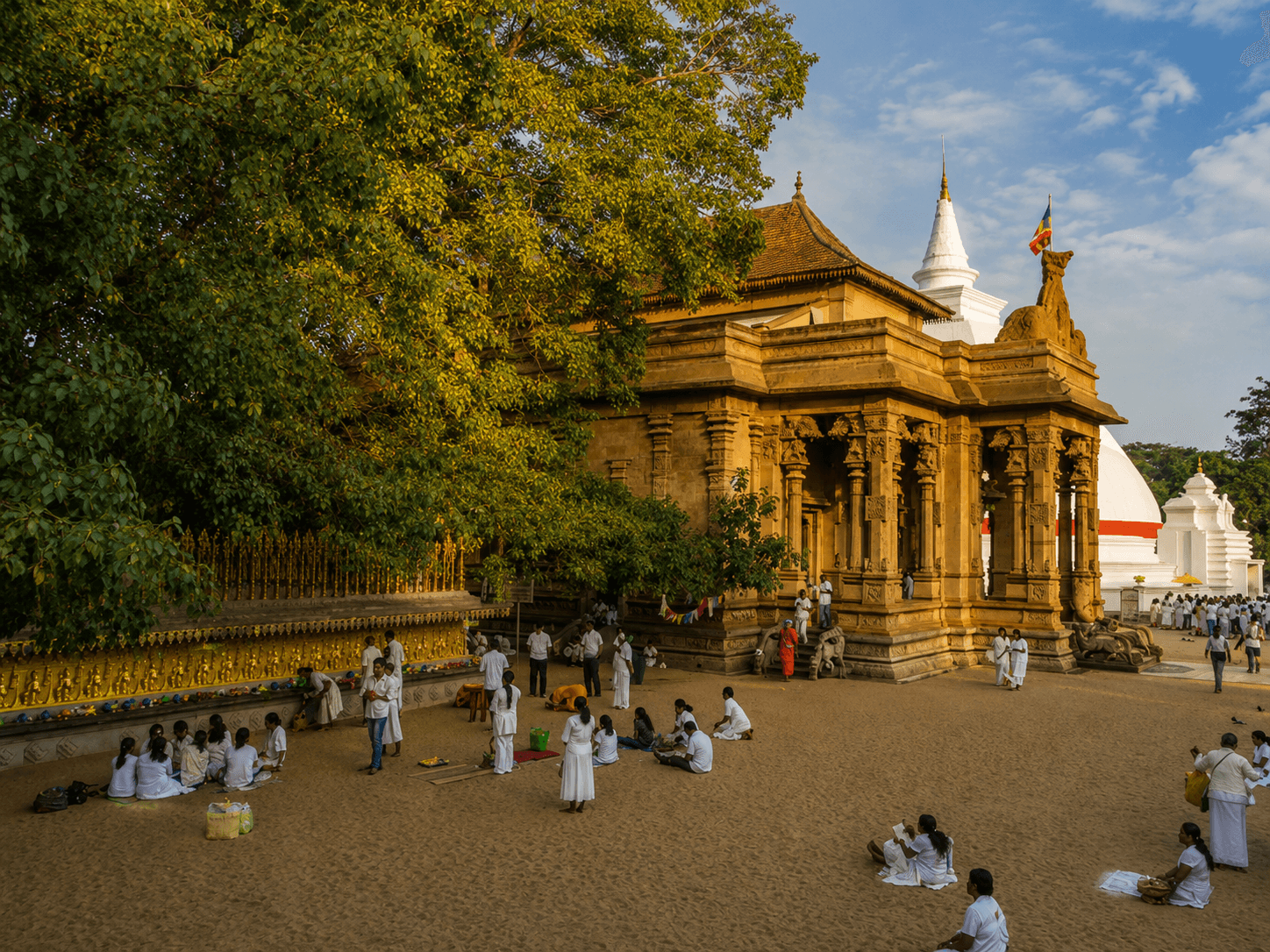
Respect temples as living places of worship. Dress modestly, follow etiquette, avoid loud behaviour and ask before photographing.
Support local guides, family-run guesthouses and craft workshops, so the benefits of tourism reach communities near the sites.
Separate tradition from myth. Avoid spreading claims that the film was shot at the sites or that Sigiriya was Ravana's palace. Accuracy helps both visitors and the places themselves.
- →Respect temples.
- →Support local businesses.
- →Share accurate information.
Timing your visit
To avoid crowds, visit outside Indian holiday peaks, or arrive at popular sites very early. Weekdays are quieter than weekends.
Part Two of the film, announced for Diwali 2027, may bring another wave of interest. Planning ahead helps secure the best guides and hotels.
Lankan Stays & Trails plans Ramayana trips with timing in mind, helping families avoid the busiest days and enjoy each place calmly.
Looking ahead
Film tourism can bring welcome income to rural areas around Ramayana sites, from tea country villages to the south coast. Managed well, it can support temples, guides and local crafts.
It also brings challenges, such as crowding and litter at popular sites. Visitors can help by travelling thoughtfully.
For travellers, the film offers a reason to discover not only the Ramayana places but the whole island, with its many cultures and landscapes.
The best film tourism leaves visitors with more than a photograph. If the Ramayana film sends people to Sri Lanka to learn about its temples, its people and its own view of the epic, everyone gains.
Frequently asked questions
What is film tourism?
Film tourism, or screen tourism, is travel inspired by films and series. Viewers visit filming locations or the places where stories are set, even when those places were not used for filming, especially if the story has deep cultural meaning.
Was the Ramayana film shot in Sri Lanka?
As far as published reports show, no. It was shot largely on sets in Mumbai. But its story points to Sri Lanka's traditional Ramayana places, which is why many viewers are planning trips there.
Will Ramayana sites be crowded after the film?
Popular sites such as Seetha Eliya and Ramboda may be busier around Indian holidays. Visiting early in the morning, on weekdays and outside peak holiday weeks helps avoid crowds. Hotels fill early in those weeks.
How can we travel responsibly?
Respect temples, dress modestly and follow etiquette. Support local guides, guesthouses and craft workshops. Share accurate information and avoid spreading myths about filming or Sigiriya being Ravana's palace. Leave no litter at sites.
Has Sri Lanka had film tourism before?
Yes. Kitulgala, where The Bridge on the River Kwai was filmed in the 1950s, still draws visitors interested in the film. Sri Lanka's landscapes have appeared in other productions too.
Will Part Two bring more visitors?
Possibly. Part Two, announced for Diwali 2027, is expected to focus heavily on Lanka, which may bring another wave of interest. Booking guides and hotels early around its release is wise.
Are there special Ramayana movie tours?
Some operators may offer tours using the film as a theme. Choose ones that are honest about the film not being shot in Sri Lanka and that respect the sites as places of devotion.