
Quick answer
A student Ramayana trip to Sri Lanka works best as a seven to ten day educational tour with clear learning goals. Visit Seetha Eliya, Ramboda, Ravana Cave, Ussangoda, Munneswaram and Kelaniya, plus Sigiriya and Kandy for Sri Lankan history. Use experienced guides, set clear rules for temples and safety, and build in projects, discussions and reflection.
Key takeaways
- Set clear learning goals across literature, history, religion and culture.
- Combine Ramayana places with Sigiriya, Kandy and Anuradhapura.
- Use experienced guides and group-friendly transport.
- Clear rules for temples, safety and behaviour are essential.
- Projects and discussions turn the trip into lasting learning.
Learning goals
A Ramayana trip can support learning in literature (comparing Valmiki, Kambar and Tulsidas with the film), religion (Hindu and Buddhist traditions in Sri Lanka), history (how sites came to be identified) and geography (the island's landscapes).
Students can also explore cultural perspectives, such as Sri Lankan views of Ravana, and media studies, comparing screen versions of the epic.
Setting clear goals before the trip helps teachers plan activities and students know what to look for at each site.
Teachers can link the trip to classroom work before and after. Reading key chapters, watching parts of the film and preparing questions in advance gives students a framework, while follow-up essays or presentations help them consolidate what they saw.
- →Literature: texts and the film.
- →Religion: Hindu and Buddhist traditions.
- →History and culture: tradition and perspectives.
Sites for students
Seetha Eliya, Ramboda and Divurumpola in the hill country, Ravana Cave and Falls near Ella, Ussangoda and Rumassala on the south coast, and Munneswaram and Kelaniya near Colombo give a broad view of the Ramayana in Sri Lanka.
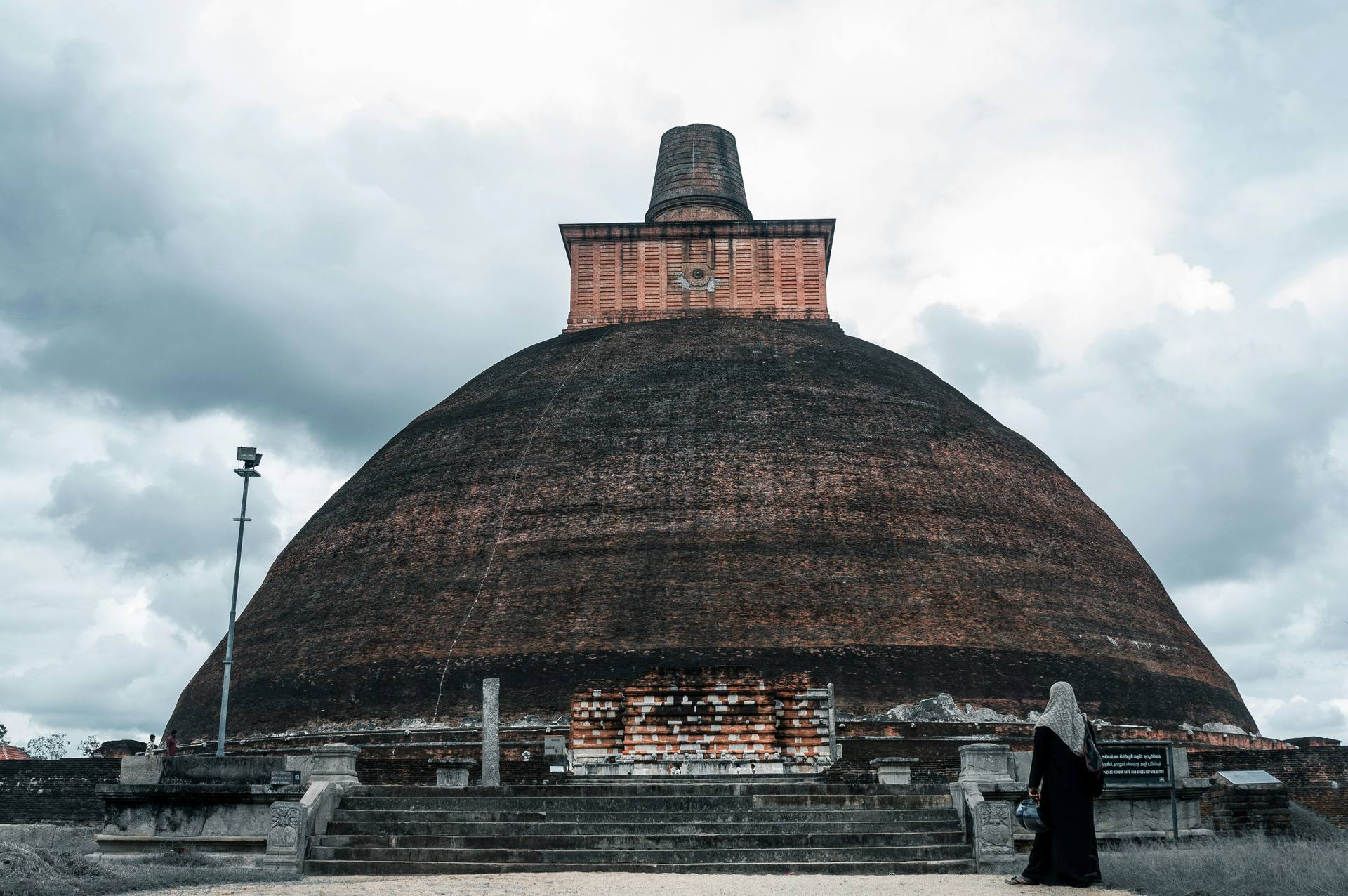
Add Sigiriya, Kandy's Temple of the Tooth and Anuradhapura for Sri Lankan history and Buddhism. Students learn how the Ramayana sits within a wider culture.
Comparing Sigiriya's real history with online claims that it was Ravana's palace is a good exercise in critical thinking.
Where possible, arrange short talks from temple priests or local historians. Hearing directly from people who care for these places adds authority and warmth that no textbook can match.
- →Ramayana places: hills, Ella, south coast, Colombo.
- →History: Sigiriya, Kandy, Anuradhapura.
- →Critical thinking: myth versus history.
Logistics for groups
Groups need a reliable coach or several vans, experienced drivers and guides, and hotels that can handle group bookings and dietary needs. Book early, especially in school holidays.
Plan a ratio of adult supervisors to students that meets your school's policy. Assign roles for first aid, finances and communication.
Lankan Stays & Trails can organise group Ramayana tours with guides experienced in working with students, group transport and suitable hotels.
Plan meals carefully. Many student groups include vegetarian, Jain and other dietary needs, and hotels need clear lists in advance. Packed lunches for long drive days save time and keep costs predictable.
- →Coach or vans with experienced drivers.
- →Adult supervisor ratio.
- →Group-friendly hotels.
Rules and safety
Set clear rules for temple behaviour: modest dress, shoes off, no loud noise and no selfies with religious images. Brief students before each visit.
Safety rules should cover the steep steps at Ravana Cave, cliffs at Ussangoda, slippery rocks at Ravana Falls, swimming and road crossing. Keep groups together with a buddy system.
Travel insurance, medical forms and emergency contacts are essential. Check visa or electronic travel authorisation requirements for all students in advance.
- →Temple behaviour briefing.
- →Safety rules and buddy system.
- →Insurance and documents.
Projects and reflection
Assign each student or group a site to research and present on arrival. This builds ownership and public speaking skills.
Evening discussions can explore big questions: how the story changes across cultures, whether Ravana is a villain, how faith and history relate.
A final project, such as a video, blog or exhibition, helps students reflect and share their learning with the wider school community.
Encourage students to interview a guide, priest or fellow pilgrim, with permission, about what the Ramayana means to them. These conversations often become the most memorable part of the final project.
- →Site presentations.
- →Evening discussions.
- →Final project.
A sample route
Day 1: arrive, Munneswaram. Day 2: Kelaniya and Kandy. Day 3: Temple of the Tooth and Ramboda. Day 4: Seetha Eliya, Hakgala, Divurumpola. Day 5: train to Ella. Day 6: Ravana Cave and Falls. Day 7: Ussangoda and the south coast. Day 8: Rumassala and Galle. Day 9: return to Colombo.
Adjust the route for your group's age, interests and budget. Add Sigiriya for a history focus.
Build in free time, as students need rest and fun to stay engaged.
For younger students, shorten the route to six days and drop the south coast. For older college groups, add Mannar and the northern temples to study Tamil Hindu culture in more depth.
Frequently asked questions
Is Sri Lanka suitable for a school Ramayana trip?
Yes. Sri Lanka is close to India, safe for groups with planning, and rich in Ramayana places, history and culture. A well-organised educational tour can cover literature, religion, history and geography in one journey.
Which subjects can a Ramayana trip support?
Literature, religion, history, geography, cultural studies and media studies. Students can compare texts and films, explore Hindu and Buddhist traditions, and think critically about how sites were identified. Teachers can choose a focus.
How long should a student trip be?
Seven to ten days allows a full educational tour with the hill country, Ella, the south coast and Colombo sites. Shorter trips can focus on the hill country and Colombo.
What safety measures are needed?
Clear rules for temples, steep steps, cliffs and swimming, a buddy system, adult supervision ratios, travel insurance, medical forms and emergency contacts. Brief students before each site visit. Share them with parents too.
Can student groups visit temples?
Yes, with respect. Students should wear modest clothing, remove shoes, stay quiet and avoid selfies with religious images. A guide can explain etiquette at each temple before the group enters.
How do we book group transport and hotels?
Book early through a travel company experienced with groups. A coach or several vans with experienced drivers, and hotels that handle group bookings and dietary needs, are essential. Confirm everything in writing.
Do students need visas?
Entry rules for Sri Lanka change from time to time, and some nationalities, including Indians, have at times been offered visa-free or fee-free entry. Check current requirements for each student's nationality well in advance, and allow time for any applications.