
Quick answer
Sri Lanka will not look like the film. The movie's Lanka was built on sets in Mumbai and with visual effects. The real Ramayana places are temples, streams, caves and hills linked to the story by tradition, not ruins of a golden city. Expect green hill country, warm welcomes, temple rituals and stories told by guides, and treat the sites as places of devotion rather than film sets.
Key takeaways
- The film's Lanka was built on sets and with effects; no Sri Lankan site was used.
- Real Ramayana places are temples, streams, caves and hills.
- Identifications rest on tradition and faith, not archaeology.
- Guides and temples bring the story alive more than monuments.
- Many fans find the real places quieter and more moving.
What the film shows
The film presents Lanka as a city of immense wealth, ruled by a towering king from a golden palace. Its scale is cinematic: armies, flying chariots, burning cities and great battles. That is what a modern epic film is meant to do.
According to published reports, the production built its Lanka on large sets in Mumbai and extended it with visual effects. It did not film in Sri Lanka, and it does not try to recreate any real Sri Lankan place.
Fans should enjoy the film as art and the island as a living place with its own memory of the story. Keeping the two apart avoids disappointment.
What you will actually find
Sri Lanka's Ramayana places are mostly natural and devotional. Seetha Eliya is a small temple beside a stream. Ravana Cave is a cliff cave above Ella. Ussangoda is a red-earth plateau above the sea. Munneswaram is a busy Shiva temple in a coastal town.
You will not find golden gates or ruins of Ravana's city. You will find priests performing pujas, families offering flowers, and guides who tell stories at each stop.
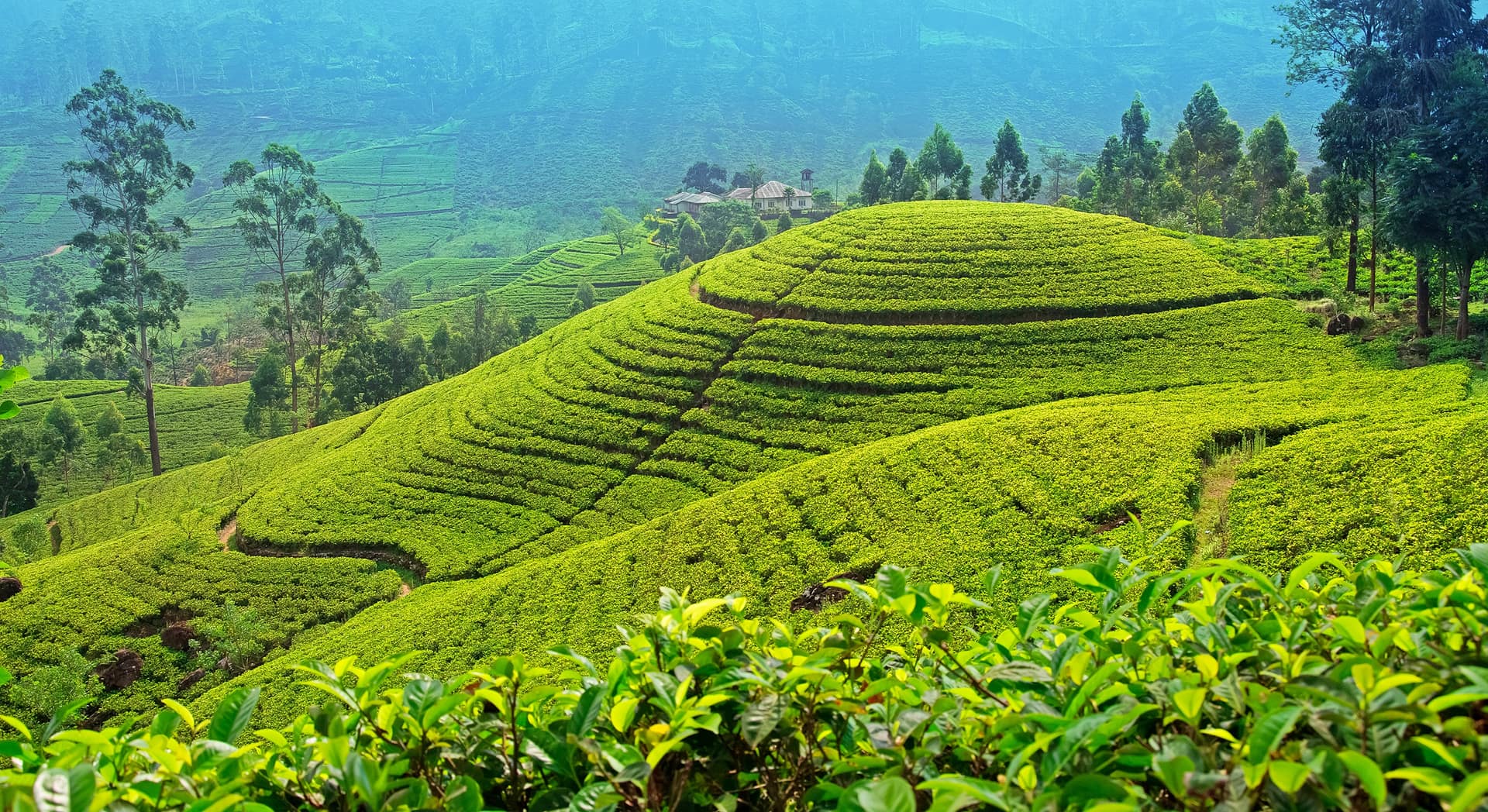
The landscapes are beautiful: misty tea hills, waterfalls, forested headlands and turquoise sea. For many visitors, they make the story feel more real than any screen.
- →Seetha Eliya: temple and stream.
- →Ravana Cave and Falls: natural sites near Ella.
- →Ussangoda: plateau above the sea.
- →Munneswaram: busy temple town.
Tradition, not proof
The identification of these places with the Ramayana rests on long tradition and faith. Some are centuries old; others developed more recently, especially with pilgrims from India. None is proven by archaeology.
That does not make them less meaningful. Sri Lankans and Hindu pilgrims treat them with devotion, and visitors gain most by doing the same.
Some online claims, such as Sigiriya being Ravana's palace, are modern theories rejected by historians. Good guides will explain the difference politely.
- →Tradition: long-held and meaningful.
- →Archaeology: no proof either way for most sites.
- →Online theories: treat with care.
Distances, roads and pace
The film moves from scene to scene in seconds. In Sri Lanka, the sites are spread across the island, and roads in the hill country are slow and winding. A drive from Kandy to Nuwara Eliya takes around three hours with stops.
Plan no more than two or three sites a day, with time for puja and rest. A week covers the main places comfortably.
Lankan Stays & Trails plans routes that keep driving days short and include breaks for tea, meals and views, so the journey feels relaxed.
- →Kandy to Nuwara Eliya: about 3 hours with stops.
- →Nuwara Eliya to Ella: 2 to 2.5 hours.
- →Sites per day: two or three.
People and atmosphere
The warmth of Sri Lankans is often the highlight. Temple priests welcome pilgrims, tea pickers wave from the slopes, and guides share their own family stories about Ravana and Sita.
Many Sri Lankans see Ravana as a great king rather than a villain. Listening to this view is part of the experience, and visitors need not change their own beliefs.
Expect crowds at some temples on festival days, and quiet at others. Both have their own atmosphere.
How to enjoy the gap
Read or watch the Lanka chapters before you go, so each place connects with a scene in your mind. Ask your guide to tell the story at each stop.
Take time to sit at a stream or temple and reflect, rather than rushing from site to site. Many families say this was when the trip felt most meaningful.
Combine the Ramayana sites with Sri Lanka's other highlights, such as tea estates, wildlife and beaches, so the whole group enjoys the holiday.
Frequently asked questions
Will Sri Lanka look like the Ramayana movie?
No. The film's Lanka was built on sets in Mumbai and with visual effects. Sri Lanka's Ramayana places are temples, streams, caves and hills linked to the story by tradition, set in green and beautiful landscapes.
Are there ruins of Ravana's palace in Sri Lanka?
No ruins of Ravana's palace have been identified. Sigiriya is sometimes called his palace online, but it was built by King Kashyapa in the fifth century CE. The real Ramayana places are natural sites and temples.
Are the Ramayana sites in Sri Lanka historically proven?
No. They are identifications made by tradition and faith over many generations. Some are old, others more recent. Visitors gain most by treating them as places of devotion and story.
How many Ramayana sites can we see in a day?
Two or three is comfortable, given slow hill country roads and time for puja. A week covers the main sites in the hills, the south coast and near Colombo at a relaxed pace.
Will we be disappointed after the film?
Most fans are not, if they know what to expect. The real places are quieter and more personal than the screen, and many visitors find them more moving. A good guide makes a big difference.
Do Sri Lankans see Ravana as the film does?
Many Sri Lankans see Ravana as a great king, scholar and devotee of Shiva rather than a villain. Guides share this view politely and respect visitors' own beliefs. Listening adds depth to the trip.
What else should we see besides the Ramayana sites?
Tea estates around Nuwara Eliya, the train to Ella, Sigiriya and Kandy, wildlife at Yala, and beaches on the south coast all combine well with the Ramayana sites for a balanced holiday.