
Quick answer
The Ramayana trail works well with children if days are short and stories are told at each site. Children usually love Ravana Falls, the Hanuman murti at Ramboda, the stream at Seetha Amman, Ravana Cave for older kids, and the flying chariot story at Weragantota. Plan one or two sites a day, mix temples with tea estates, train rides or safaris, pack familiar snacks, and supervise closely at waterfalls, caves and cliffs.
Key takeaways
- Children respond best when the story is told at the place where it happened.
- Ravana Falls, Ramboda's Hanuman and Seetha Amman's stream are favourites.
- Ravana Cave's steps suit children from about seven or eight upwards.
- Limit temple visits to two a day and add non-temple breaks.
- Watch children closely at falls, slippery rocks and cliff edges.
Telling the story at each site
The most powerful thing parents can do is tell the right part of the Ramayana at the right place. At Ramboda, tell how Hanuman leapt across the ocean to find Sita. At Seetha Amman, tell how he found her in the Ashok grove and gave her Rama's ring. At Ravana Falls, tell how Ravana hid Sita in the hills.
Before the trip, read or watch a children's Ramayana together, so children know the characters. During the journey, a small picture book or comic edition helps younger children follow. Older children can read a few verses themselves at each site, which gives them a sense of ownership.
Good guides are skilled storytellers and often act out scenes, which children love. Ask for a guide experienced with families. Let children ask questions, even difficult ones about Ravana or the agni pariksha, and answer simply and honestly.
- →Ramboda: Hanuman's leap and search.
- →Seetha Amman: the ring and the Ashok grove.
- →Ravana Falls and Cave: Sita's hiding places.
Places children love
Ravana Falls is usually the favourite, with its rushing water and roadside setting. Children enjoy watching the water and paddling at the edges in dry weather, always with an adult close by. The towering Hanuman at Ramboda is another highlight, especially for children who know the Hanuman Chalisa.
The stream at the Seetha Amman Temple, with its rocks said to carry Hanuman's footprints, fascinates many children. Older children often enjoy the climb to Ravana Cave, with its sense of adventure and the dark cave at the top. The story of the flying chariot, told at Weragantota or anywhere, is always a hit.
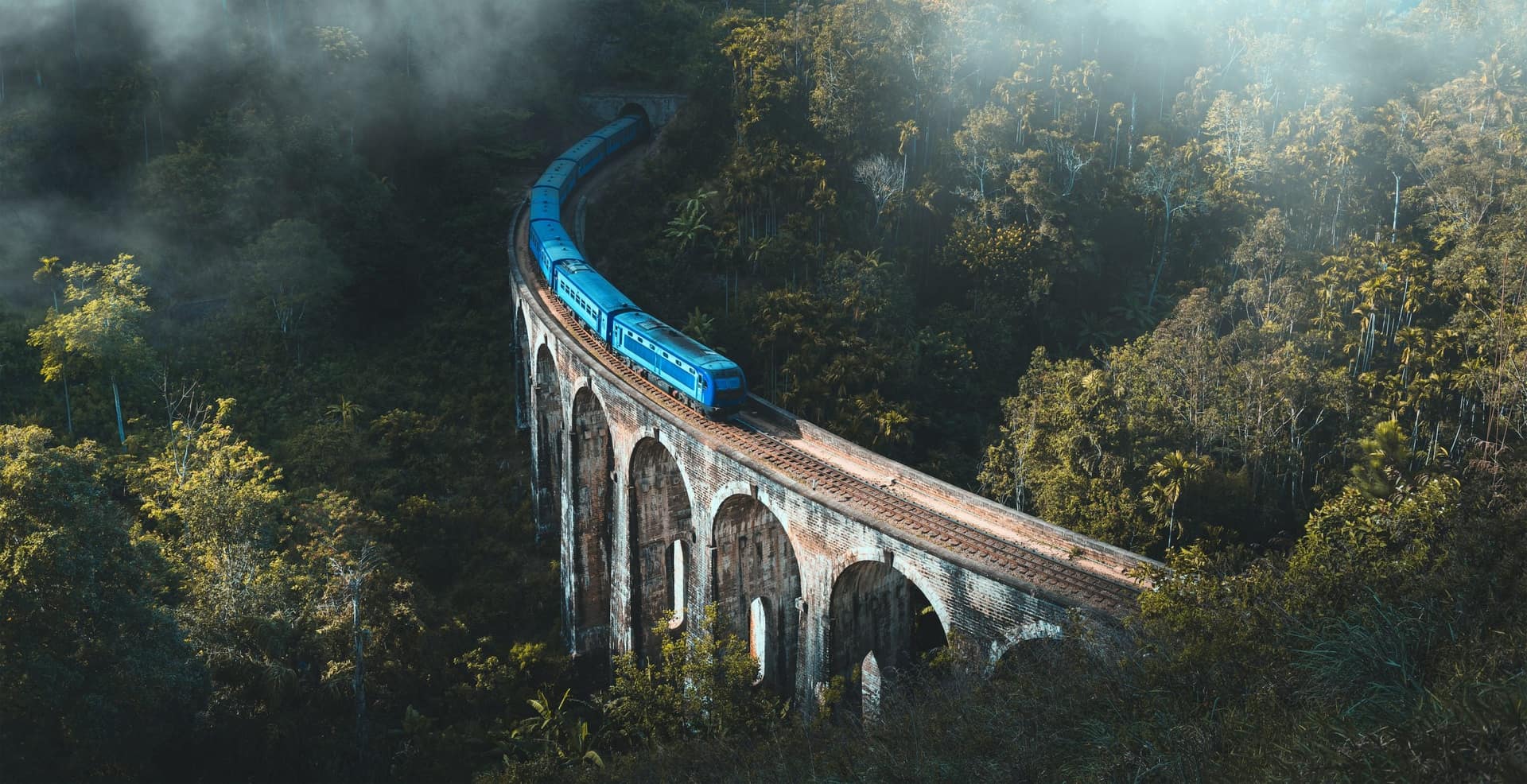
Beyond the Ramayana places, children love the train ride through the tea country to Ella, a safari at Yala or Udawalawe to see elephants and leopards, and a beach afternoon at the end of the trip. These breaks keep energy and enthusiasm high.
- →Ravana Falls: water and roadside views.
- →Ramboda: the giant Hanuman.
- →Seetha Amman: Hanuman's footprints.
Pacing the days
Children tire quickly of temples, long drives and repeated shoe removal. Plan one or two Ramayana sites a day, with a fun activity in between: a tea factory visit, a boat ride, a garden or a playground at the hotel. Afternoons free for rest or swimming make mornings more enjoyable.
Long drives, such as Chilaw to Kandy or Nuwara Eliya to Ella, are best broken with stops every 60 to 90 minutes. Winding hill roads can cause motion sickness; seat children where they can see out, keep windows open where possible and carry remedies. Some families take the train for part of the hill country instead.
A trail of six sites in nine days, rather than ten sites in six, suits families with young children. Add a beach or safari extension so the trip ends with relaxation rather than exhaustion.
- →One or two sites a day.
- →Breaks every 60 to 90 minutes on long drives.
- →Add a beach or safari for balance.
Safety at falls, caves and cliffs
Ravana Falls has slippery rocks and strong currents after rain. Keep children close, do not let them climb on rocks near the water, and follow local advice about swimming. Paddling at the edges is only safe in calm, dry weather.
Ravana Cave has several hundred steep steps and a dark, uneven interior. Children under about seven may find it hard; older children should hold hands on the steeper sections. Bring a torch and wear closed shoes. At Koneswaram, Ravana's Cleft has steep, partly unfenced edges, so hold small hands firmly.
Temple floors become hot at midday, so plan visits for mornings and evenings. Carry water, hats and sun cream. Keep hand sanitiser for after touching offerings and before eating snacks.
- →Falls: slippery rocks and strong currents after rain.
- →Cave: steep steps, dark interior.
- →Cliffs at Koneswaram: hold hands firmly.
Food and comfort for children
Vegetarian food is easy to find, but Sri Lankan rice and curry can be spicy. Ask for mild dishes, and order familiar options such as dosa, idli, plain rice with dhal, chapati or noodles. Hotels are used to cooking for Indian families and will adjust spice levels on request.
Pack familiar snacks from home for long drives, such as biscuits, namkeen, dry fruits and fruit drinks. Supermarkets in Colombo, Kandy and Nuwara Eliya stock biscuits, juices and fruit. Bottled water is widely available.
The hill country is cold in the early morning and evening, so pack sweaters, socks and a warm hat for children. Nuwara Eliya nights can drop below 10°C, especially from December to February.
Planning a family trail
School holidays are popular times for Indian families: April to June and October to November. April and May are pleasant in the hill country, while October and November can be rainy. December holidays coincide with dry weather in the hill country and south-west, though rain falls in the north and east.
Choose hotels with family rooms, gardens or pools, and space for children to play. A private car with a driver-guide is the easiest way to travel with children, allowing flexible stops, car seats on request and a guide who can tell stories along the way.
Lankan Stays & Trails plans family Ramayana trails with child-friendly pacing, storytelling guides and fun breaks. Tell us your children's ages and interests, and we will shape the route around them.
Frequently asked questions
Is the Ramayana trail suitable for children?
Yes, with good pacing. Plan one or two sites a day, tell the story at each place and add fun breaks such as train rides or safaris. Ravana Falls, Ramboda's Hanuman and the Seetha Amman stream are favourites with children.
What is the best age to take children on the Ramayana trail?
Children from about six upwards usually enjoy the stories most, and from about seven or eight they can manage Ravana Cave's steps. Younger children can enjoy the trail too, with shorter days and more breaks, but may remember less.
Can children climb Ravana Cave?
Older children usually can. The climb has several hundred steep steps and takes 20 to 30 minutes each way. Children under about seven may find it hard. Hold hands on steeper sections, wear closed shoes and bring a torch for the dark cave.
Is Ravana Falls safe for children?
Ravana Falls can be enjoyed safely from the roadside and viewing areas. Rocks are slippery and currents strong after rain, so keep children close and do not let them climb near the water. Paddling is only safe in calm, dry weather.
What food is good for children on the trail?
Mild vegetarian dishes such as dosa, idli, plain rice with dhal, chapati and noodles are easy to find. Ask hotels to reduce spice. Pack familiar snacks from home and buy biscuits and juices in supermarkets in larger towns.
How can we keep children interested in temples?
Tell the Ramayana story at each site, let children read a verse or ask questions, and limit temple visits to two a day. Mix temples with tea estates, gardens, train rides and safaris. A storytelling guide makes a big difference.
When is the best time for a family Ramayana trip?
April and May suit Indian school holidays and are pleasant in the hill country. December is dry in the hill country and south-west. October and November can be rainy. Book early for school holiday periods, when hotels fill quickly.