
Quick answer
Ravana Cave is one of the key hill-country stops on a Ramayana yatra, remembered in tradition as a place where Ravana hid Sita. Indian pilgrims usually reach Ella after visiting the Seetha Amman Temple near Nuwara Eliya. The climb involves several hundred steep steps, so older yatris should go slowly or pray from the temple below. There is no formal shrine; pilgrims pray, recite and leave small offerings at the entrance. Vegetarian food is easy to find in Ella, and Ravana Falls nearby completes the visit.
Key takeaways
- Ravana Cave is a key hill-country stop on a Ramayana yatra.
- It is usually visited after the Seetha Amman Temple.
- The climb is steep; older yatris should go slowly.
- There is no formal shrine; prayer is personal.
- Vegetarian food is easy to find in Ella.
The cave on the yatra
A typical Ramayana yatra in Sri Lanka follows Sita's story through the island: places linked to her arrival, her captivity in the hills, Hanuman's search, the war and Rama's return. In the hills, the Seetha Amman Temple near Nuwara Eliya is linked to Ashok Vatika, and Ravana Cave above Ella is remembered as one of the places she was hidden.
For many yatris, the cave is where Sita's ordeal feels most real. It is high, dark and silent, and climbing to it is an act of devotion. Ravana Falls, a few kilometres down the road, is linked to a story of Sita bathing.
Getting there from India
Most Indian pilgrims fly into Colombo from cities such as Chennai, Bengaluru, Mumbai or Delhi. Flights are short, and Indian travellers can apply for electronic travel authorisation online; check current visa rules before booking, since they change.
From Colombo, a yatra usually heads to the west coast temples, then up through Kandy and Nuwara Eliya to Ella. Ella is about five to six hours by road from Colombo, so most groups reach it after several days on the trail.
Lankan Stays & Trails builds Ramayana yatras for Indian families with drivers, guides who know the stories and vegetarian meals arranged throughout.
- →Fly into Colombo from major Indian cities.
- →Check current visa and travel authorisation rules.
- →Reach Ella after the west coast and Nuwara Eliya.
- →Ella is about five to six hours from Colombo.
Pacing the climb
The climb has several hundred steep steps. Many yatris chant the Hanuman Chalisa or Ram naam on the way up, and the effort becomes part of the devotion. Climb early in the morning when it is cool, rest often and keep a steady pace.
Older pilgrims and those with knee or heart problems should think carefully. The descent is often harder than the climb. Those who cannot manage the steps can pray at the temple at the foot of the hill, facing the cave. Faith does not depend on reaching the top.
- →Climb early when it is cool.
- →Chant on the way up and rest often.
- →Take the descent slowly.
- →Pray from the temple below if the steps are too much.
Praying at the cave
There is no idol, shrine or priest inside the cave. Pilgrims pray with folded hands, recite verses from the Sundara Kanda or hymns to Sita, or sit quietly in reflection. Groups with a pandit may recite a short passage together near the entrance.
Small offerings of flowers, incense or a coin can be left at the entrance. Do not light lamps or camphor inside the chamber. Keep voices soft, since other pilgrims may be praying and sound carries.
The steps begin in a Buddhist temple, so dress modestly and behave quietly in its grounds too.
- →Prayer, recitation or quiet reflection.
- →Small offerings at the entrance only.
- →No lamps or camphor inside.
- →Modest dress for the Buddhist temple below.
Vegetarian food and stays
Ella has many vegetarian options, from rice and curry with vegetable dishes to dhal and roti. Many guesthouses and hotels are used to Indian groups and can prepare pure vegetarian or Jain-style meals if asked in advance. South Indian breakfasts are less common but can sometimes be arranged.
Book accommodation ahead in peak season, and ask for an early breakfast or tea before the climb.
What else to see near Ella
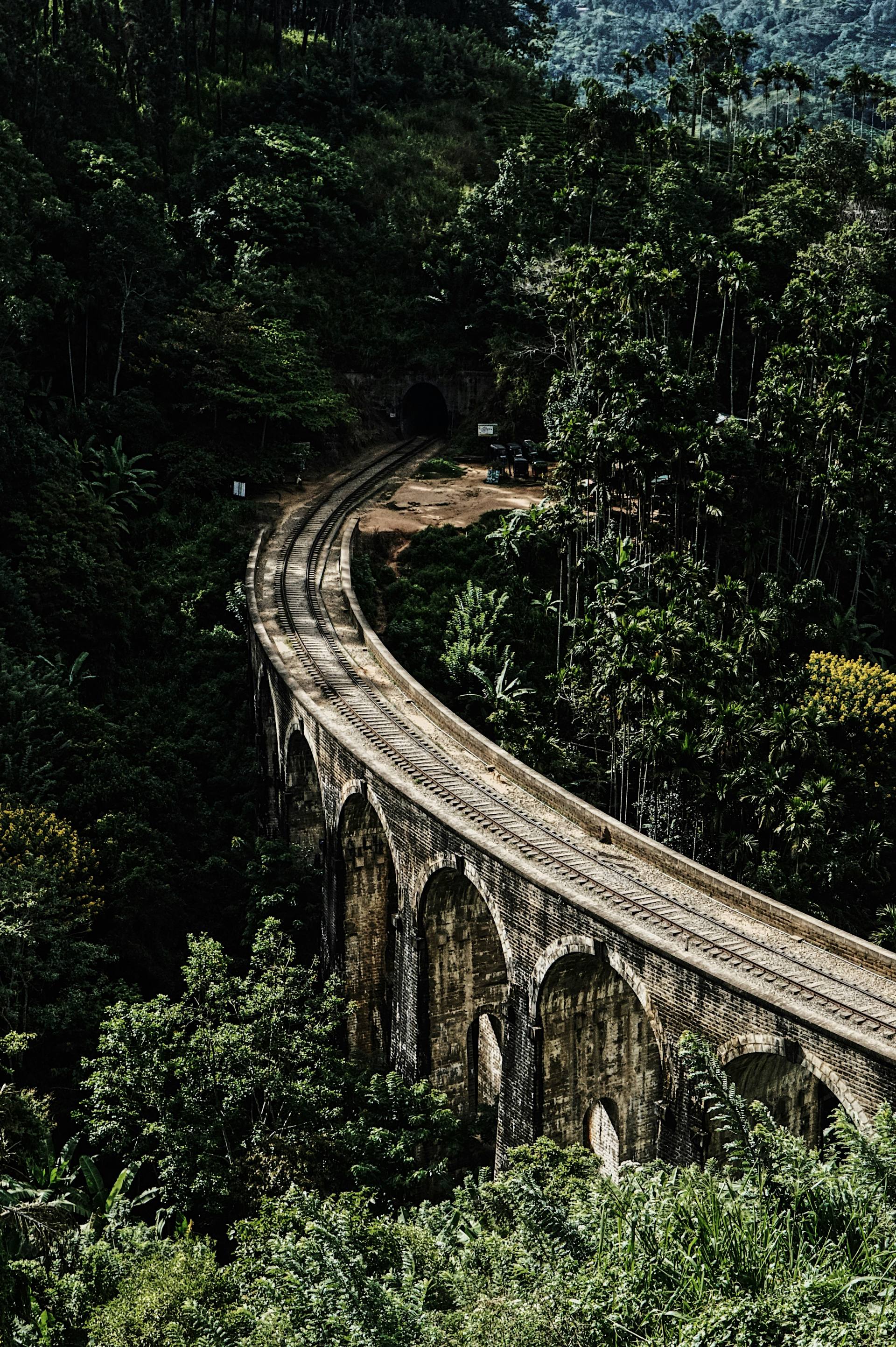
Ravana Falls is the natural companion to the cave. Ishtripura near Welimada has caves and tunnel stories. The Nine Arch Bridge and Little Adam's Peak are popular with families for a lighter outing.
Many yatris continue from Ella to Kataragama, a sacred town for Hindus, Buddhists and Muslims, before heading to the south coast and back to Colombo.
Frequently asked questions
Is Ravana Cave part of the Ramayana yatra?
Yes. Ravana Cave above Ella is a key hill-country stop, remembered in tradition as a place where Ravana hid Sita. It is usually visited after the Seetha Amman Temple near Nuwara Eliya, with Ravana Falls nearby.
Can older Indian pilgrims climb to Ravana Cave?
Many do, with a slow pace and frequent rests. The climb has several hundred steep steps and the descent strains the knees. Those who cannot manage it can pray from the temple at the foot of the hill, facing the cave.
How do Indian pilgrims pray at Ravana Cave?
There is no idol or priest, so prayer is personal: folded hands, verses from the Sundara Kanda, hymns to Sita or quiet reflection. Groups with a pandit may recite together. Small offerings can be left at the entrance.
Is vegetarian food available near Ravana Cave?
Yes. Ella has many vegetarian options, and guesthouses used to Indian groups can prepare pure vegetarian or Jain-style meals on request. Ask in advance for early breakfast or tea before the climb.
How do I get to Ravana Cave from India?
Fly into Colombo from a major Indian city, then travel by road via Kandy and Nuwara Eliya to Ella, about five to six hours from Colombo. Most yatras reach Ella after several days on the Ramayana trail.
Do Indians need a visa for Sri Lanka?
Indian travellers usually need an electronic travel authorisation, applied for online before travel. Rules change, so check the current official requirements before booking flights and tours. A reputable tour operator can also confirm the latest requirements for you.
What should Indian pilgrims wear at Ravana Cave?
Modest clothing that covers shoulders and knees, since the steps begin in a Buddhist temple. Saris and salwar kameez are fine if comfortable on steep steps. Wear shoes with good grip and keep long hems clear of your feet.