
Quick answer
Responsible travel on a luxury 7-day Sri Lanka itinerary rests on five choices. Stay in locally owned or locally staffed properties that pay fairly. Use a properly paid chauffeur-guide who takes no commission. Watch wildlife only in the wild, with no elephant rides, bathing sessions or hands-on turtle hatcheries. Go easy on water in the dry zone and refuse single-use plastic. And fly within the island only where it truly helps, since one helicopter leg emits far more than the drive it replaces.
Key takeaways
- Tourism is one of Sri Lanka's largest sources of foreign income and employs several hundred thousand people.
- An estimated 6,000 to 7,000 wild elephants live in Sri Lanka, the highest density of Asian elephants anywhere.
- Elephant rides and bathing experiences depend on animals kept in chains and trained by force.
- Five of the world's seven sea turtle species nest on Sri Lanka's beaches.
- The Cultural Triangle lies in the dry zone, where water is scarce from roughly May to September.
Where the money goes
Responsible travel on a luxury 7-day Sri Lanka itinerary starts with spending. A luxury week puts several thousand dollars into the economy, and who receives it depends on what you book. Locally owned lodges, bungalows and villas keep more of it in the country than international chains.
Small luxury properties are also labour-intensive, often with three or four staff for each room, most hired locally. Ask where staff come from, whether they are employed year round and how service charges are shared. Good operators can answer.
- →Favour locally owned and managed properties.
- →Ask how staff are paid and whether service charge is shared.
- →Buy from makers and markets, not commission showrooms.
Guides, drivers and commission
The chauffeur-guide is the person your choices affect most directly. Underpaid drivers depend on commission from shops and attractions, which distorts the trip. A guide who is paid a proper daily rate, with accommodation and meals covered, has no need to steer you anywhere.
Tip fairly at the end. Respect working hours as well. A day that begins at 5.30am and ends after a late dinner is 15 hours for the guide, and a week of those is too many. Release the car early when you can.
Animals: watch, do not touch
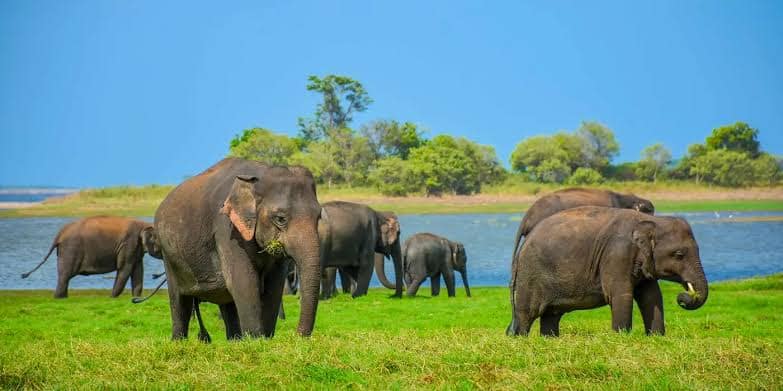
Sri Lanka's wildlife is a reason to come and a responsibility. Elephants seen in national parks such as Minneriya, Udawalawe and Yala are wild. Elephants offered for riding or bathing, at roadside camps and some well-known orphanages, are captive, chained and trained through fear.
Turtle hatcheries that let visitors hold hatchlings or keep adults in tanks do harm, however kindly meant. Watch nesting turtles at night with a community project instead. At sea, choose whale-watching skippers who keep their distance and never chase.
- →Elephants: national parks and the Elephant Transit Home only.
- →Turtles: night watches at Rekawa, no handling.
- →Whales: 100 metres or more, slow approach, no pursuit.
- →Never pay for photographs with captive wildlife.
Water, energy and plastic
The first two nights of the week are in the dry zone, where villages depend on ancient reservoirs and water is short for months at a time. A private pool and a twice-daily change of towels have a cost that guests do not see. Reuse towels and keep showers short at Sigiriya.
Plastic is the visible problem. Carry a refillable bottle and ask the hotel to fill it with filtered water, which most luxury properties now provide in glass. Decline plastic straws and bags. On beaches and trails, take out what you brought in.
- →Reuse towels and linen, above all in the dry zone.
- →Carry a refillable bottle and ask for filtered water.
- →Refuse plastic straws, bags and miniature toiletries.
Temples, photographs and children
Respect at religious sites is simple and matters. Cover shoulders and knees, remove shoes and hats, and never pose with your back to a Buddha image. Ask before photographing people, especially tea pluckers and worshippers, and accept a refusal.
Do not give sweets, pens or money to children, which encourages begging and keeps some out of school. If you want to help, ask your operator about a school or community project that accepts donations properly.
The cost of flying
Air transfers are the hardest question for a responsible luxury traveller. A helicopter burns a great deal of fuel to carry two people 150 kilometres, and a small aircraft rather less. Neither compares well with a hybrid car on the same route.
Lankan Stays & Trails suggests flying only where it changes the trip, usually on arrival day, and driving the rest. The company pays its guides a full wage, takes no shop commission and does not sell elephant rides. Travellers should expect the same of anyone they book with.
Five questions to ask
Responsible choices are easiest to make before booking. Five questions cover most of the ground, and the answers tell you a good deal about the company you are dealing with.
Ask who owns the hotels proposed, how the guide is paid, whether any activity involves captive animals, what the properties do about water and plastic, and whether each flight is necessary. Clear answers are a good sign. Evasion is a reason to look elsewhere.
Frequently asked questions
Is luxury travel in Sri Lanka ethical?
It can be. Small, locally staffed luxury properties provide stable employment and often fund conservation and community projects. The ethical questions lie in specific choices: captive animal attractions, commission-driven shopping, heavy water use in dry areas and unnecessary flights.
Should I ride an elephant in Sri Lanka?
No. Elephants used for rides and bathing are kept in chains and trained with force, and the activity harms their health. See wild elephants on a jeep safari at Minneriya, Kaudulla, Udawalawe or Yala instead, which is a better experience.
Are turtle hatcheries in Sri Lanka ethical?
Most that allow handling are not. Keeping hatchlings in tanks for visitors weakens them, and adult turtles in tanks suffer. A few projects protect nests on the beach without display. The best option is a guided night watch of wild nesting turtles at Rekawa.
How can I make sure my money helps local people in Sri Lanka?
Stay in locally owned hotels, use a local operator, hire a well-paid local guide, eat in local restaurants, buy crafts from the people who make them and tip fairly. Avoid shops your driver is paid to bring you to.
Are there eco-friendly luxury hotels in Sri Lanka?
Yes. A number of lodges, tea bungalows and resorts use solar power, treat their own water, grow food, employ locally and protect surrounding forest. Standards vary and labels are loose, so ask for specifics about energy, water, waste and staffing.
Is it wrong to take a helicopter in Sri Lanka?
It is a high-emission choice for a short journey. One flight on arrival day, replacing a four to five hour drive, is defensible for many travellers. Flying every leg multiplies the impact for limited gain. A hybrid car is far more efficient.