
Quick answer
On a second trip to Sri Lanka, Ella is generally worth returning to and Sigiriya generally is not. Sigiriya is a single defining climb that does not change much between visits, while Ella is a base from which Ella Rock, Lipton's Seat, Haputale and the Uva tea country all open up over several days. Better still, use the nights on Anuradhapura, Jaffna, the east coast or the Knuckles Range instead.
Key takeaways
- Sigiriya is a single climb and repeats poorly; Polonnaruwa and Anuradhapura reward a return more.
- Ella works better as a base than as a stop, and a second visit can run four or five nights.
- Lipton's Seat above Haputale and the Knuckles Range are the natural hill-country upgrades.
- Jaffna needs three nights minimum and changes a Sri Lankan trip more than any extra coast.
- A second trip's advantage is fewer bases and longer stays, not more destinations.
Is Sigiriya worth climbing twice?
Sigiriya is one of the great sites in South Asia and it is also, structurally, a single experience. Roughly 1,200 steps, the fresco gallery, the mirror wall and the summit palace ruins, taking two to three hours. Repeating it delivers largely what it delivered the first time, which is a high bar to clear on a trip with limited nights.
There are two exceptions worth naming. Travellers who did not reach the summit the first time, usually because of the exposure on the upper metal stairways rather than fitness, often want to finish it, and that is a good reason to return. And travellers who climbed in the middle of the day will find an opening start around seven a genuinely different experience.
The wider Cultural Triangle is the stronger second-visit argument. Polonnaruwa cycled early among the ruins, Anuradhapura at roughly two hours away with a day of its own, and Mihintale all reward attention in a way that a second Sigiriya climb does not.
- →Sigiriya is a single two to three hour experience that repeats closely.
- →Worth returning for if you did not reach the summit the first time.
- →An opening climb is genuinely different from a midday one.
- →Polonnaruwa, Anuradhapura and Mihintale reward a return more than the rock does.
Why Ella rewards a second visit
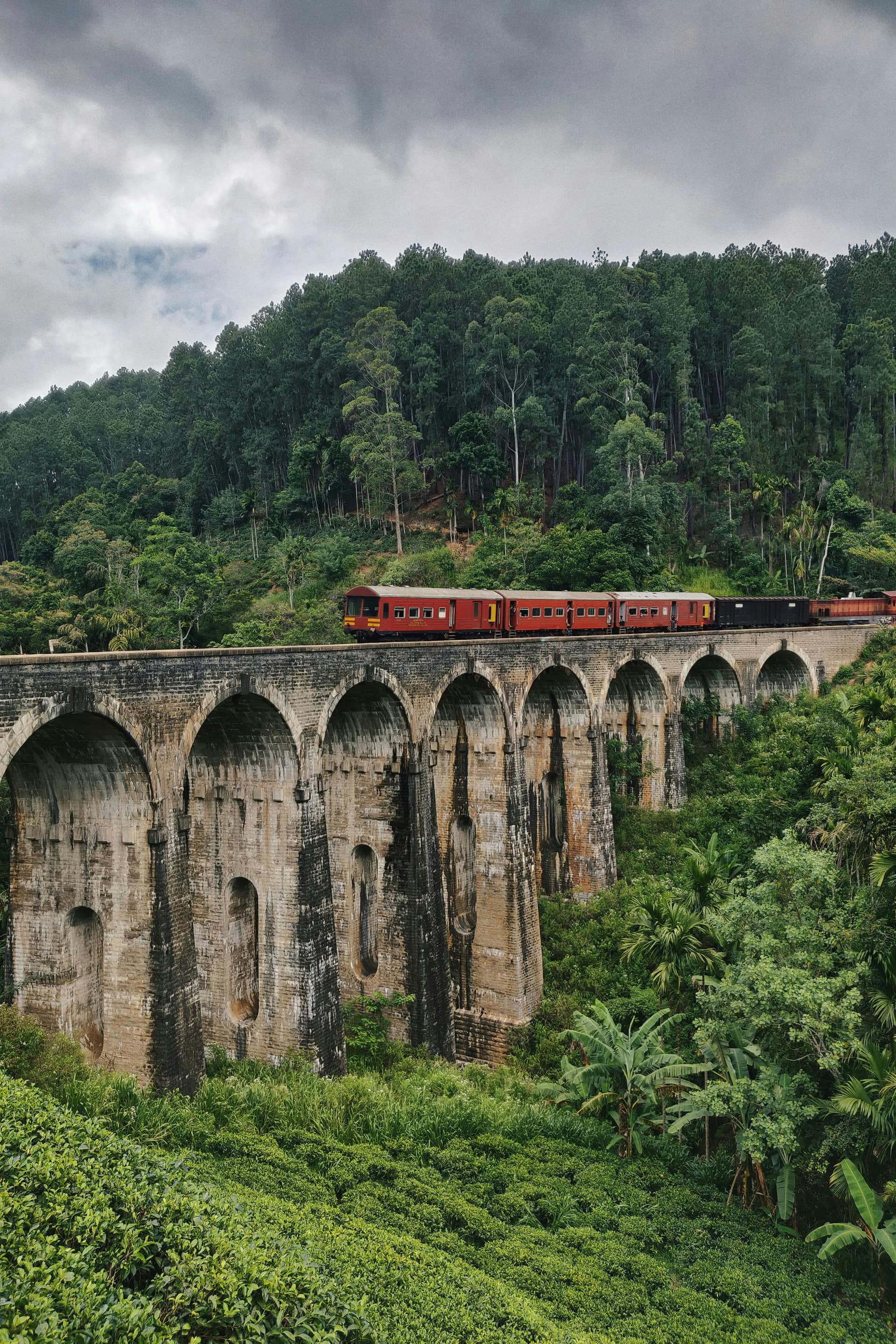
Ella is the opposite case. Most first trips give it two nights and one full day, which covers the Nine Arch Bridge early and Little Adam's Peak at roughly forty-five to ninety minutes return, and leaves everything else untouched.
With four or five nights it becomes a base rather than a stop. Ella Rock at roughly three to four hours return, Lipton's Seat above Haputale reached before dawn, the Diyaluma and Ravana falls, and long unhurried days in the Uva tea country all become possible.
The cool air at roughly a thousand metres is also what makes a slow stay comfortable in a way the lowlands are not. A second trip that spends five nights in one hill-country base is a genuinely different holiday from a first trip that passed through.
- →A first trip usually gives Ella two nights and one full day.
- →Ella Rock is roughly three to four hours return and needs a morning.
- →Lipton's Seat above Haputale is a pre-dawn trip.
- →Four or five nights turns Ella from a stop into a base.
What deserves the nights instead
A second trip's real opportunity is the regions a first trip cannot reach. Jaffna in the far north is the largest change available, with Nallur Kandaswamy Kovil, the peninsula islands and a culture distinct from the south, and it needs three nights minimum to justify the distance.
The east coast is the other direction. Trincomalee and Nilaveli are at their best roughly May to September when the south-west monsoon affects the south and west, and Pigeon Island offers snorkelling with the usual reminder not to stand on or touch coral. Arugam Bay suits surfers in the same window.
For walkers, the Knuckles Range east of Kandy is the serious upgrade on the hill-country walking a first trip offers. Wilpattu is the equivalent for wildlife, quieter than Yala and better for leopard sightings without the vehicle crowding that Block One is known for.
- →Jaffna: three nights minimum, Nallur Kandaswamy Kovil and the islands.
- →Trincomalee, Nilaveli and Pigeon Island: best roughly May to September.
- →Knuckles Range: the walking upgrade, east of Kandy.
- →Wilpattu: quieter than Yala, with less vehicle crowding.
How a second trip should be shaped
The structural advantage of a return visit is that nothing is compulsory. A first trip is shaped by a list; a second can be shaped by a pace, and the usual correction is fewer bases with longer stays.
Three bases across two weeks is a perfectly good second trip: one northern or eastern region, one hill-country base, and one coastal stay. That produces four or five nights each, which is where Sri Lanka stops being a country you are touring and becomes one you are in.
Lankan Stays and Trails builds return trips differently for this reason, usually starting from where the traveller wants to sit still rather than from what they want to see. The sights then arrange themselves around those anchors.
- →A second trip is shaped by pace rather than by a list.
- →Three bases across a fortnight gives four or five nights each.
- →One region, one hill-country base, one coastal stay is a reliable shape.
- →Start from where you want to sit still, not from what you want to see.
The one thing worth repeating
If there is a single element of the classic route that survives repetition, it is the Kandy to Ella railway. The line climbs through the tea country and the scenic stretch after Nanu Oya takes roughly two and a half to three hours, and it changes with the weather, the season and the time of day in a way that a stone staircase does not.
A second trip can also take it differently. Riding a shorter segment, such as Haputale to Ella, or travelling it in the early morning rather than the middle of the day, gives a different journey on the same track.
The safety point does not change with familiarity. Leaning out of the open doorway for photographs causes serious injuries on this line every year, and a second visit is no protection against a bridge structure.
- →The railway changes with weather, season and hour; the rock does not.
- →Shorter segments such as Haputale to Ella give a different journey.
- →Early morning departures are a different experience from midday ones.
- →Door-leaning causes serious injuries on this line regardless of experience.
Frequently asked questions
Is Sigiriya worth visiting twice?
Usually not, unless you did not reach the summit the first time or climbed in the middle of the day. It is a single two to three hour experience that repeats closely. Polonnaruwa, Anuradhapura and Mihintale reward a return visit more.
What should I do on a second trip to Sri Lanka?
Regions a first trip cannot reach. Jaffna in the far north needs three nights and changes the trip most. The east coast around Trincomalee and Nilaveli works roughly May to September, and the Knuckles Range is the walking upgrade on the hill country.
Is Ella worth going back to?
Yes, if you give it more time. A first trip usually spends two nights there and covers the Nine Arch Bridge and Little Adam's Peak. Four or five nights opens Ella Rock, Lipton's Seat above Haputale, the waterfalls and the wider Uva tea country.
How many nights does Jaffna need?
Three at minimum. It sits a long way north and the distance only pays off with time on the ground for Nallur Kandaswamy Kovil, the peninsula islands and the distinct food and culture. One or two nights produces a long drive rather than a visit.
Is Wilpattu better than Yala?
Quieter, and generally better for leopard sightings without the vehicle crowding that Yala's Block One is known for. It is larger and more densely wooded, so sightings can take longer, which suits a second trip more than a first.
Should I take the Kandy to Ella train again?
Yes. It is the one part of the classic route that genuinely changes with weather, season and hour. A second trip can also ride shorter segments such as Haputale to Ella, or travel early in the morning rather than the middle of the day.
How many places should a second Sri Lanka trip include?
Fewer than the first. Three bases across a fortnight, at four or five nights each, is a reliable shape: one northern or eastern region, one hill-country base and one coastal stay. Returning travellers usually benefit from pace rather than coverage.