
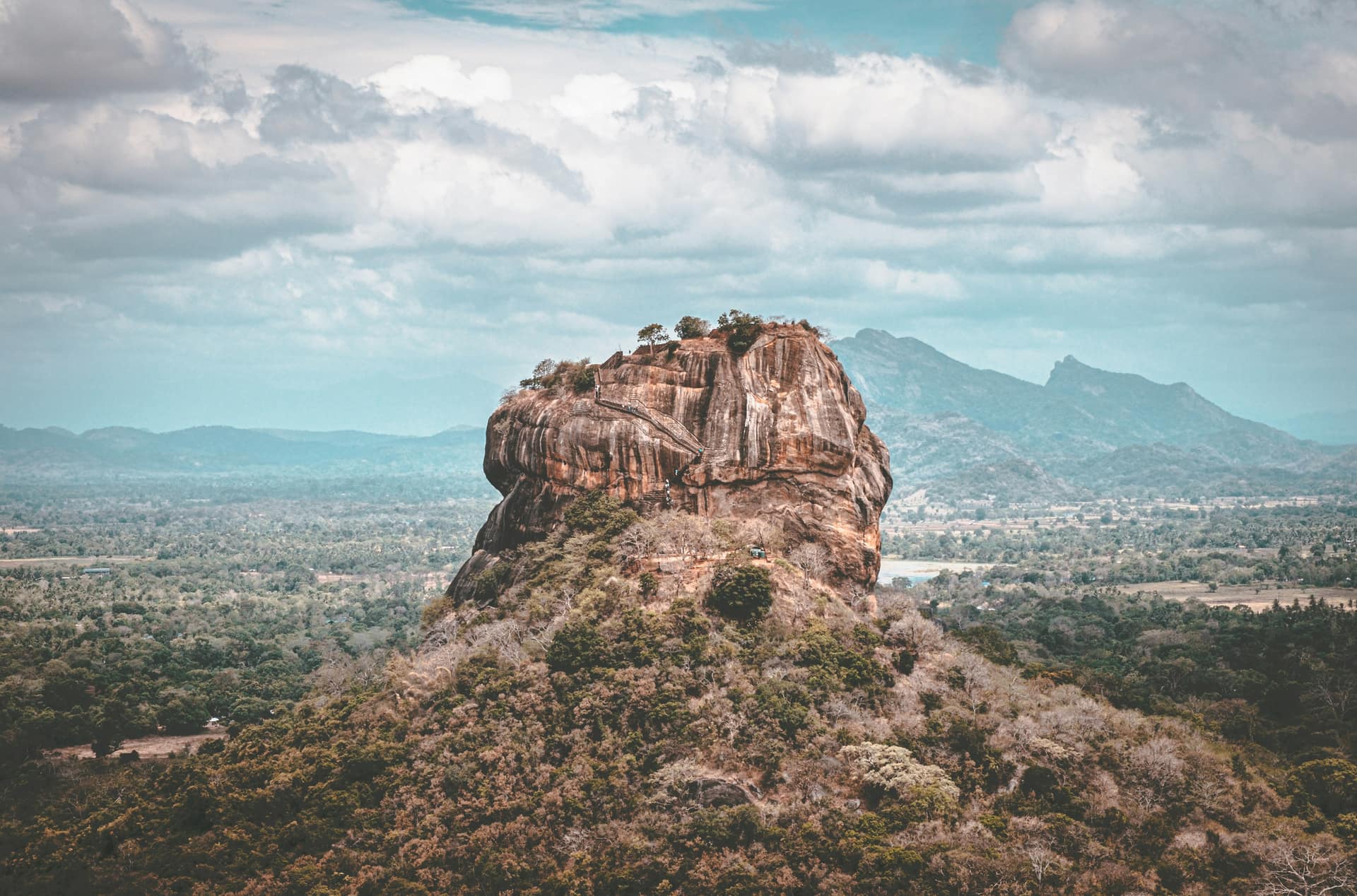
Quick answer
Sigiriya can work well for older travellers and those with limited mobility, even without reaching the summit. The water gardens and Sigiriya Museum are on level ground, and the boulder gardens involve only modest steps. The full climb is roughly 1,200 steps, and knees often feel the descent more than the ascent. Start at opening, climb slowly, and consider the lion's paw terrace, roughly halfway, as a satisfying end point. The site is not wheelchair accessible beyond the lower gardens.
Key takeaways
- The Sigiriya Museum and water gardens are on largely level ground and need no climbing.
- The boulder gardens involve modest, uneven steps and provide the last shade before the stairs.
- The full climb is roughly 1,200 steps, and the descent is often harder on knees than the ascent.
- The lion's paw terrace, roughly halfway, is a secure and rewarding place to stop.
- Sigiriya is not wheelchair accessible beyond the lower gardens, and paths there are uneven.
What is accessible at Sigiriya without climbing
The lower parts of Sigiriya are among the most interesting, and they need little or no climbing. The Sigiriya Museum near the entrance is level and air-cooled, with a site model and fresco reproductions. The water gardens beyond it are on a flat axis, with some gravel and uneven paving.
The boulder gardens, just before the rock, involve modest steps and some uneven ground, but no sustained climbing. They offer shade, monastic caves and the Cobra Hood Cave. Together, these three areas make a worthwhile visit of one to two hours on their own.
- →Sigiriya Museum: level, cool, with a site model and fresco copies.
- →Water gardens: flat but with gravel and uneven paving.
- →Boulder gardens: modest steps, uneven ground, shade.
- →Together: one to two hours without the main climb.
Wheelchair access at Sigiriya
Sigiriya is not wheelchair accessible beyond parts of the lower site. The approach to the museum and some of the water gardens may be manageable with assistance, but surfaces are uneven, and from the boulder gardens onwards the route is steps.
Anyone using a wheelchair should plan a visit to the museum and the view of the rock from the water gardens, and consider the flat bund of Sigiriya Wewa, the tank on the south side, for a view of the rock across the water in the late afternoon.
If you decide to climb
If you want to try the Sigiriya climb, time and pacing matter more than strength. Start at opening, around 7am, when it is cool and the stairs are empty, so you can go at your own speed without people behind you.
Climb slowly and steadily, with short, frequent rests rather than long stops. Use the rails constantly, and consider trekking poles for the lower stone steps. Build in a real rest at the boulder gardens and again at the lion's paw terrace, and decide there whether to continue.
- →Start at opening, around 7am.
- →Short, frequent rests rather than long ones.
- →Use the handrails throughout.
- →Trekking poles help on the lower stone steps.
- →Decide at the lion's paw terrace whether to continue.
Knees and the descent
Many older travellers find the way down Sigiriya harder than the way up. Descending steep metal stairs and worn stone steps puts repeated load on the knees, and the separate descent route is long.
Take the descent slowly, one step at a time, holding the rail, and lead with the stronger leg. A knee support can help if you already use one. If knees are the main concern, reaching the lion's paw terrace and returning is a much gentler outing than the full summit.
Heat and health
Heat is the real risk for older travellers at Sigiriya. Above the boulder gardens there is almost no shade, and by late morning temperatures often reach the low thirties Celsius. Anyone with heart, breathing or blood pressure conditions should take medical advice before attempting the climb.
Drink regularly, wear a hat, and turn back without hesitation if you feel dizzy or unwell. The nearest hospital facilities are in Dambulla, roughly 30 to 40 minutes away.
- →Take medical advice if you have heart, breathing or blood pressure conditions.
- →Drink regularly; carry at least a litre.
- →Wear a wide-brimmed hat.
- →Turn back at the first sign of dizziness.
Building a good Sigiriya visit around your limits
A rewarding Sigiriya visit for older travellers often looks like this: museum and water gardens at opening, boulder gardens in the shade, a decision at the foot of the rock, then a late afternoon drive to see the rock from the tank. Lankan Stays & Trails often splits groups, with a guide taking climbers up while others take the lower site slowly.
Two nights near Sigiriya, rather than one, means nobody has to push through tiredness to fit everything in.
Frequently asked questions
Can elderly people climb Sigiriya?
Many older travellers climb Sigiriya successfully, including people in their seventies. What matters is stair tolerance, heat tolerance and comfort with heights rather than age. Start at opening, climb slowly and take medical advice if you have heart or breathing conditions.
Is Sigiriya wheelchair accessible?
Not beyond the lower site. The museum approach and parts of the water gardens may be manageable with help, although surfaces are uneven. From the boulder gardens onwards, the route to the summit is entirely steps.
What can you see at Sigiriya without climbing?
The Sigiriya Museum, with its site model and fresco reproductions, the symmetrical water gardens, the boulder gardens with the Cobra Hood Cave, and views of the rock itself. Together they make a rewarding visit of one to two hours.
Is Sigiriya hard on the knees?
The descent is. Going down roughly 1,200 steps, including steep metal staircases, puts repeated load on the knees. Take it slowly, hold the rail, lead with the stronger leg and consider a knee support or trekking poles.
Where can I stop if I can't reach the top of Sigiriya?
The lion's paw terrace, roughly halfway, is the best stopping point. It is broad and secure, has the famous paws and views over the gardens, and others in your group can continue to the summit and return there.
Are there lifts or cable cars at Sigiriya?
No. There is no lift, cable car or alternative mechanical access to the summit of Sigiriya. The only way up is the stairway route of roughly 1,200 steps. Visitors who cannot climb can still enjoy the museum, the water gardens and the boulder gardens.
How long does Sigiriya take for older travellers?
Allow three to four hours for the full climb at a gentle pace with rests, or one to two hours for the museum, water gardens and boulder gardens alone. Starting at opening leaves time to go slowly before the heat builds.