
Quick answer
Heat is the main challenge on the Sigiriya climb. Midday temperatures in the dry zone are often in the low thirties Celsius, the upper stairs and summit have almost no shade, and the granite radiates heat back. Manage it by climbing at opening, around 7am, carrying at least a litre of water per person with electrolytes, wearing a hat and light clothing, resting in the boulder gardens and turning back at the first signs of heat exhaustion.
Key takeaways
- Midday temperatures at Sigiriya are often in the low thirties Celsius, and April and May are usually the hottest months.
- Above the boulder gardens there is almost no shade, and the granite rock face radiates stored heat.
- Climbing at opening, around 7am, is the most effective way to avoid the worst heat.
- Carry at least a litre of water per person, with an electrolyte sachet or salty snack for longer climbs.
- Dizziness, headache, nausea and heavy sweating that stops are signs to stop, cool down and descend.
How hot Sigiriya gets
Sigiriya is in the dry zone of Sri Lanka's north-central plain, at low altitude. Midday temperatures are often in the low thirties Celsius, and April and May are usually the hottest months. Humidity is high in the wetter months, which makes heat feel harder.
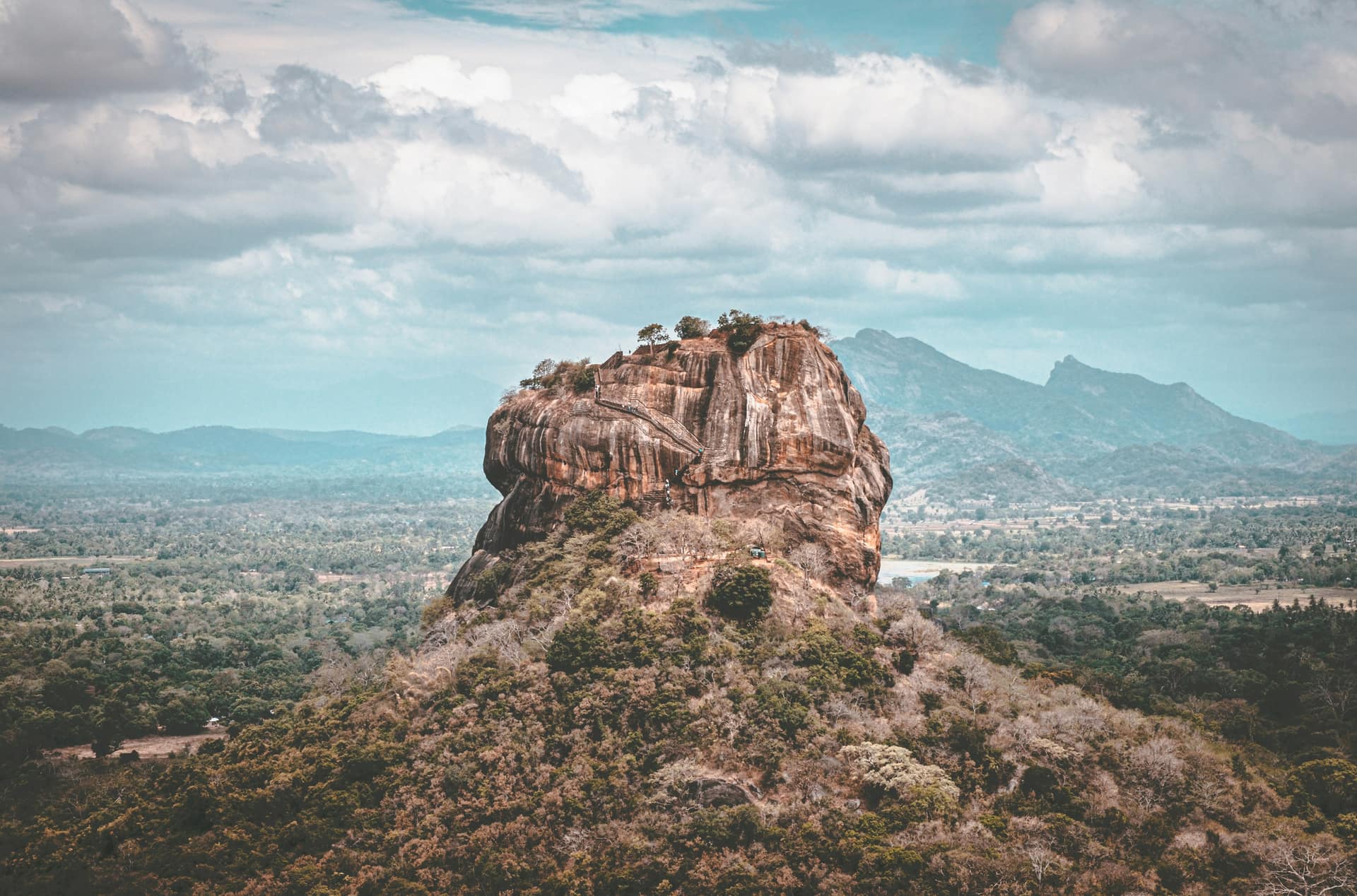
The rock itself adds to it. Granite absorbs sun during the day and radiates heat back, so the western face and the summit can feel several degrees hotter than the air by late morning. The heat builds through the day and is at its worst from roughly late morning to mid-afternoon.
- →Midday: often in the low thirties Celsius.
- →Hottest months: usually April and May.
- →Hottest hours: roughly late morning to mid-afternoon.
- →The rock radiates stored heat back at climbers.
Timing is the best protection
The single best way to manage heat at Sigiriya is to climb at opening, around 7am. You will reach the summit by roughly 8 to 8.30am and be back at the exit by around 10am, before the heat peaks.
The late afternoon is the second-best option, though the lower stairs hold the day's heat. Midday climbs are the ones that go wrong, and they are worth avoiding entirely.
Water and electrolytes
Carry at least a litre of water per person for the Sigiriya climb, and more in hot months or at a slow pace. There is nowhere reliable to buy water on the rock, so it must come with you from the start.
On a long or hot climb, water alone is not always enough. An electrolyte sachet, a salty snack or a king coconut before the climb helps replace what you lose in sweat. Drink little and often rather than a lot at once.
- →At least a litre per person; more in April and May.
- →Drink little and often.
- →An electrolyte sachet or salty snack on longer climbs.
- →A king coconut before or after helps rehydrate.
Clothing and pace
Light, loose, breathable clothing in pale colours, a wide-brimmed hat and sun cream make a clear difference on Sigiriya's exposed stairs. A damp scarf around the neck helps on hot days.
Climb slowly and steadily. The temptation is to rush the exposed sections to get out of the sun, but that raises your heart rate and temperature faster. Rest properly in the shade of the boulder gardens, and briefly at the lion's paw terrace, rather than stopping in full sun.
Warning signs of heat exhaustion
Heat exhaustion can affect anyone on Sigiriya, including fit and young people. Know the signs, watch your companions as well as yourself, and act early.
- →Dizziness or light-headedness.
- →Headache or nausea.
- →Unusual tiredness or weakness.
- →Heavy sweating, or sweating that stops while still hot.
- →Cramps.
- →Confusion: an emergency; get help immediately.
What to do if someone overheats
If someone shows signs of heat exhaustion on Sigiriya, stop climbing, move into shade if any is near, loosen clothing, cool the skin with water and drink slowly. Descend when they feel able, and ask site staff for help if symptoms do not improve.
Confusion, fainting or a very high body temperature are signs of heatstroke, which is a medical emergency. The nearest hospital facilities are in Dambulla, roughly 30 to 40 minutes away. Lankan Stays & Trails guides carry extra water and keep a vehicle near the exit throughout the climb for exactly this reason.
Frequently asked questions
How hot is it at Sigiriya?
Midday temperatures at Sigiriya are often in the low thirties Celsius, with April and May usually the hottest months. The granite rock face and summit radiate stored heat, so they can feel hotter than the air temperature by late morning.
How much water should I take up Sigiriya?
At least a litre per person, and more in hot months or at a slow pace. There is nowhere reliable to buy water on the rock. An electrolyte sachet or salty snack helps on longer or hotter climbs.
Is it too hot to climb Sigiriya at midday?
For most people, yes. Midday combines the highest air temperature with the most heat radiating from the rock, and there is almost no shade above the boulder gardens. Climb at opening or in the late afternoon instead.
What is the hottest month at Sigiriya?
April and May are usually the hottest months at Sigiriya. An opening-time climb, around 7am, is essential then, and extra water and electrolytes are strongly advised. Plan a long rest through the middle of the day and carry an electrolyte sachet.
How do I avoid heat exhaustion on Sigiriya?
Climb at opening, drink little and often, wear a hat and light clothing, rest in the shade of the boulder gardens, and climb at a steady pace rather than rushing. Turn back at the first signs of dizziness, headache or nausea.
Is there shade on the Sigiriya climb?
Only in the lower parts. The water gardens have scattered trees and the boulder gardens have overhangs, but above them the stairs and summit are almost fully exposed. Plan your main rest in the boulder gardens.
Is Sigiriya cooler in the rainy season?
Slightly, and cloud can help, but humidity is higher from roughly October to December, which can make the climb feel just as hard. An opening-time climb remains the best choice in any season.