
Quick answer
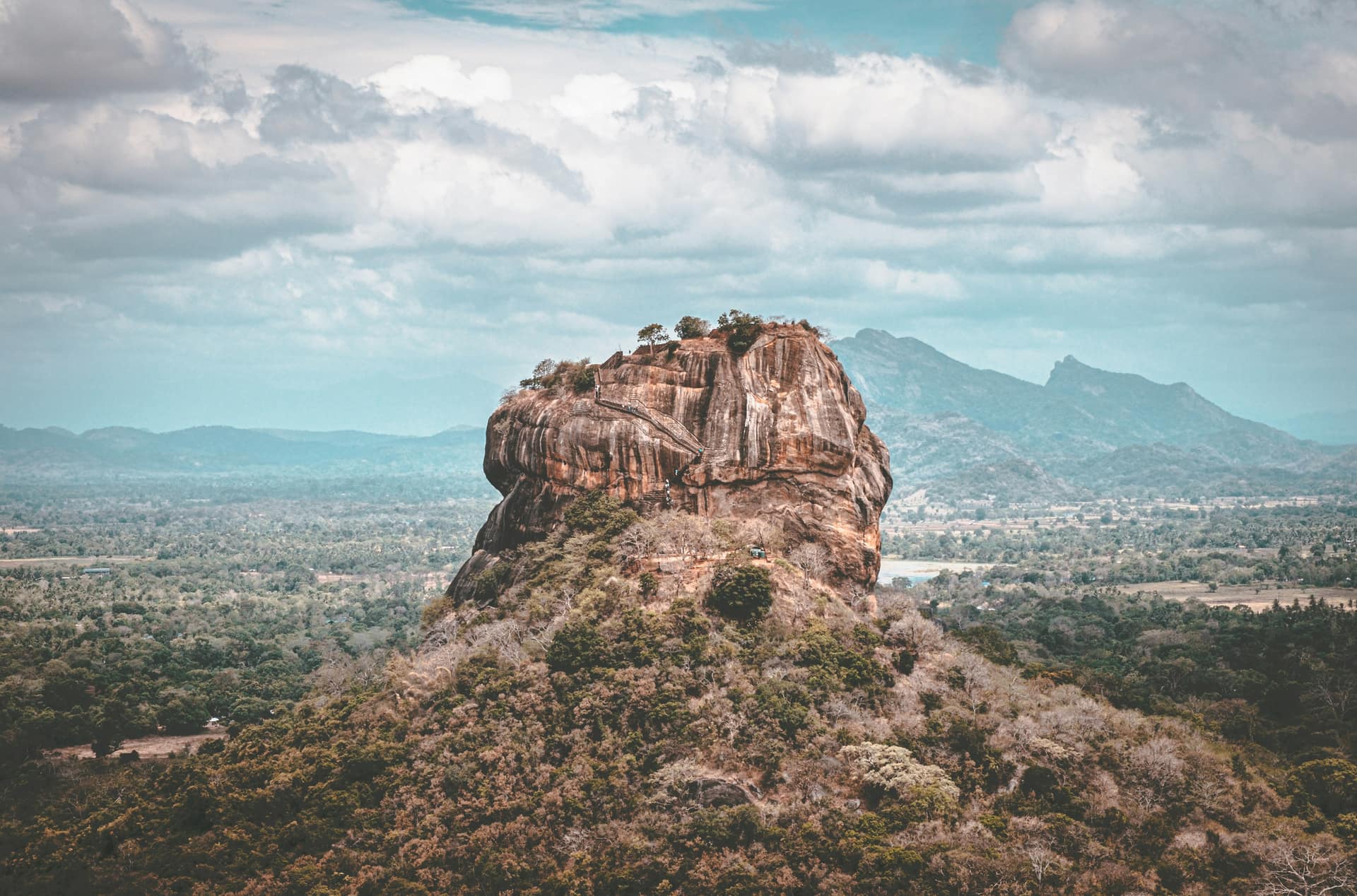
Older travellers should visit Sigiriya first, with a slower schedule and no obligation to reach the summit. The roughly 1,200-step climb is demanding mainly on the descent, and the water gardens, boulder gardens and museum are on largely level ground. Ella second suits the trip well, since its cooler air at roughly 1,000 metres and short gentle walks are easier than the dry-zone heat.
Key takeaways
- The Sigiriya descent is harder than the ascent for anyone with knee or hip concerns.
- The water gardens, boulder gardens and on-site museum are on largely level ground.
- Dambulla Cave Temple is roughly fifteen to twenty minutes of stepped path with shade and rest points.
- Ella's cooler air at roughly 1,000 metres is significantly easier than the dry-zone heat.
- Three nights at each anchor rather than two removes the pressure from any single morning.
What Sigiriya actually asks
The summit climb is roughly 1,200 steps taking two to three hours including the descent. The lower half runs through the boulder gardens on stone staircases with places to stop. The upper half uses open metal stairways bolted to the rock face, including a spiral staircase to the fresco gallery.
Two things surprise people. The first is that the descent is harder than the ascent for anyone with knee or hip problems, because it puts sustained load on the joints over a long stepped route. Travellers judge the climb by how they feel going up and find the reverse considerably worse.
The second is that vertigo rather than fitness is what most commonly stops people. The upper stairways are open structures with the drop visible through the treads, and turning back partway is awkward on a narrow one-way staircase when it is busy. That is worth thinking about honestly in advance.
- →Roughly 1,200 steps, two to three hours including the descent.
- →The descent is harder than the ascent with knee or hip problems.
- →The upper stairways are open metal structures with visible drops.
- →Turning back is awkward on a one-way staircase when busy.
Sigiriya without the summit
A great deal of the site needs no climbing, and this is the part most itineraries fail to mention. The water gardens at the base are a significant piece of ancient hydraulic engineering, with symmetrical pools, moats and ramparts laid out on level ground.
The boulder gardens and lower terraces follow, on gentle ground with some steps. The on-site museum is worth about an hour and gives context that improves the rest of the visit considerably. A traveller who does all of that and stops before the metal stairways has genuinely seen Sigiriya.
Dambulla Cave Temple, roughly twenty to thirty minutes away, is the gentler counterpart. Roughly fifteen to twenty minutes of stepped path with shade and rest points leads to five caves holding roughly 150 Buddha statues and painted ceilings. Shoes come off before the terrace, so carry socks, because the stone gets very hot by midday.
- →The water gardens, moats and ramparts are on level ground.
- →The boulder gardens and lower terraces are gentle with some steps.
- →The on-site museum is worth about an hour.
- →Dambulla is roughly fifteen to twenty minutes up, with shade and rest points.
Heat is the real obstacle
For most older travellers the limiting factor at Sigiriya is not the steps but the temperature. The dry zone is the hottest part of the route, the rock has almost no shade, and it radiates stored heat from mid-morning onwards.
An opening start around seven changes the experience substantially, and it is worth organising the whole day around it. Climb or explore early, rest properly through the middle of the day, and take Dambulla in the late afternoon when the caves are cooler and quieter.
This is also the argument for Sigiriya early in the trip rather than late. Heat tolerance does not improve much over a week, but accumulated travel fatigue does build, so the demanding stop belongs while reserves are highest.
- →The dry zone is the hottest part of the route and the rock has no shade.
- →Opening is usually around seven; organise the day around it.
- →Rest through the middle of the day rather than scheduling through it.
- →Take Dambulla in the late afternoon when the caves are cooler.
Why Ella second suits older travellers
Ella at roughly a thousand metres is several degrees cooler than the dry zone, and the difference is immediately noticeable. Walking that would be unwise at Sigiriya at ten in the morning is comfortable in Ella at the same hour.
The walks are also gentler. Little Adam's Peak is roughly forty-five to ninety minutes return on a path that climbs steadily rather than steeply, with a few steps near the top. Ella Rock at roughly three to four hours return is a genuine hike and is reasonably skipped.
The Nine Arch Bridge can be reached by several routes of different difficulty, and a vehicle can get reasonably close, which is worth asking a driver about rather than assuming the long walk is the only option. Viewing it from a tea shop above is a perfectly good version of the experience.
- →Roughly 1,000 metres makes Ella several degrees cooler than Sigiriya.
- →Little Adam's Peak is roughly forty-five to ninety minutes return, climbing steadily.
- →Ella Rock is a genuine hike at three to four hours and reasonably skipped.
- →A vehicle can get reasonably close to the Nine Arch Bridge.
Pacing the trip rather than the sites
The single most effective adjustment is nights rather than itineraries. Three nights at each anchor instead of two removes the pressure from any given morning, provides a fallback if the weather or the body says no, and turns the trip from a schedule into a stay.
The second adjustment is the train. The full Kandy to Ella journey is roughly six to seven hours, which is a long time in a fixed seat. Driving from Kandy to Nuwara Eliya via a tea estate and boarding at Nanu Oya for the scenic two and a half to three hours is easier and loses nothing that matters.
Lankan Stays and Trails builds slower itineraries with fewer bases as standard for older travellers, and will say plainly which parts of a site are level and which are not rather than describing everything as accessible. Knowing in advance is what allows a good visit rather than a disappointing one.
- →Three nights at each anchor removes the pressure from any single morning.
- →The full train journey is roughly six to seven hours in a fixed seat.
- →Boarding at Nanu Oya cuts it to the scenic two and a half to three hours.
- →Ask which parts of a site are level rather than assuming.
Frequently asked questions
Can older travellers climb Sigiriya?
Many can, but the descent is harder than the ascent for anyone with knee or hip concerns, and the open upper stairways defeat people through vertigo rather than fitness. The water gardens, boulder gardens and museum need no climbing at all.
Can I visit Sigiriya without climbing to the top?
Yes. The water gardens, moats and ramparts are on largely level ground, the boulder gardens and lower terraces are gentle, and the on-site museum is worth about an hour. A visitor who stops before the metal stairways has genuinely seen the site.
Is Dambulla easier than Sigiriya?
Considerably. Dambulla is roughly fifteen to twenty minutes of stepped path with shade and rest points and no exposed sections, against roughly 1,200 steps at Sigiriya. Carry socks, as shoes come off and the stone courtyard gets very hot by midday.
Is Ella suitable for older travellers?
Generally yes, and better than the Cultural Triangle. At roughly 1,000 metres it is several degrees cooler, Little Adam's Peak is a steady forty-five to ninety minute walk, and a vehicle can get reasonably close to the Nine Arch Bridge.
How should older travellers pace a Sri Lanka trip?
Three nights at each main stop rather than two, with the middle of each day kept free. That removes pressure from any single morning, allows a fallback if weather or energy intervenes, and turns the itinerary from a schedule into a stay.
Is the Kandy to Ella train too long?
The full six to seven hours is a long time in a fixed seat. Driving from Kandy to Nuwara Eliya via a tea estate and boarding at Nanu Oya keeps the scenic two and a half to three hours and removes the ordinary opening stretch.
What is the hardest part of Sigiriya?
The descent for anyone with joint problems, and the open upper stairways for anyone uneasy with heights. Heat is the third factor, which an opening start around seven largely solves. The lower stone staircases are the straightforward part.