
Quick answer
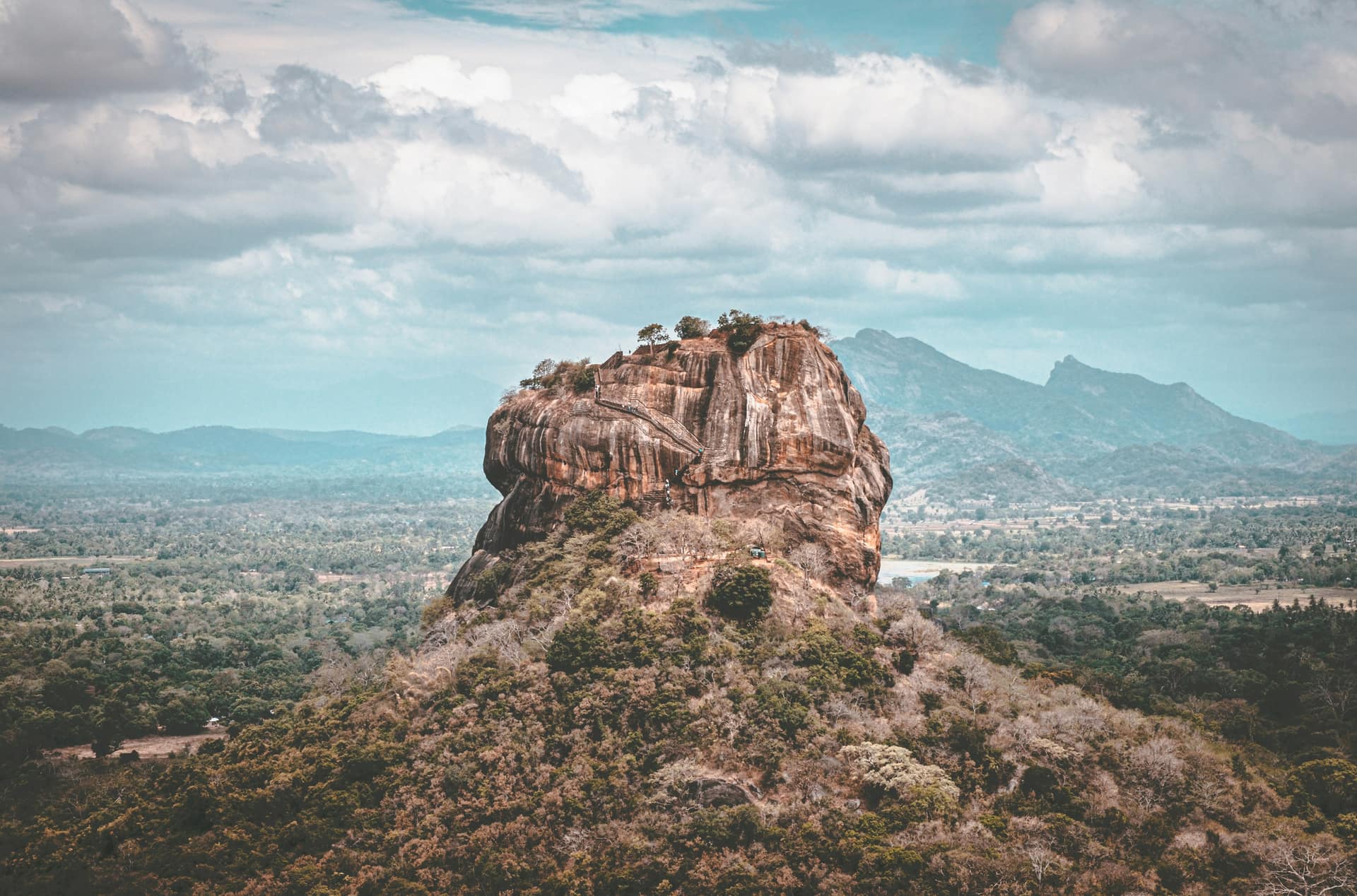
Day 3 of the 10-day Sri Lanka itinerary for Swiss travellers is centred on climbing Sigiriya Rock, a fifth-century royal citadel rising roughly 200 metres above the surrounding plain. The climb itself takes roughly one and a half to two and a half hours round trip depending on pace and how long you spend at the frescoes, the Lion's Paw terrace and the summit. Starting at or before opening time, generally recommended as dawn or shortly after, avoids both the worst of the heat and the largest crowds.
Key takeaways
- Sigiriya Rock rises roughly 200 metres and the round-trip climb typically takes one and a half to two and a half hours including stops.
- An early start at or near opening time is the standard recommendation, avoiding both peak heat and the busiest crowds on the stairways.
- The frescoes, a set of ancient paintings partway up, and the Lion's Paw terrace are the two main stops before the final metal stairway to the summit.
- Pidurangala, a nearby rock across from Sigiriya, is a quieter and shorter alternative climb that offers a view of Sigiriya itself.
- Sun protection and water are essential; there is little shade on the upper sections of the climb, and the metal stairways can get hot to the touch by mid-morning.
Climbing Sigiriya Rock
Sigiriya Rock, a fifth-century royal citadel built on a granite outcrop rising roughly 200 metres above the surrounding plain, is the single most photographed site on this 10-day route and the main reason day three is scheduled in the Cultural Triangle. The climb follows a mix of stone steps and later metal stairways bolted onto the rock face.
A round trip, including reasonable time at the main stops, typically takes roughly one and a half to two and a half hours, though a slower pace or a longer pause at the summit can extend this. The path is well maintained but exposed for long stretches, so this is a walk that rewards a reasonably steady pace rather than rushing.
The final stretch to the summit involves a narrower, steeper metal stairway with open views on either side, which some travellers with a strong dislike of heights find uncomfortable; the frescoes and Lion's Paw terrace lower down are accessible without needing to continue all the way up.
- →Height of the rock: roughly 200 metres above the surrounding plain.
- →Typical round-trip time: one and a half to two and a half hours including stops.
- →Terrain: a mix of stone steps and later open metal stairways with limited shade.
Timing the climb around heat and crowds
Starting at or shortly after opening time, generally recommended as an early morning slot, is the standard approach on this route. The Cultural Triangle is warm and humid through the day, and by mid-morning the metal stairways and open rock faces can become uncomfortably hot underfoot and in direct sun.
An early start also means arriving at the summit before the largest tour groups, giving more space to actually take in the view over the surrounding forest and the reservoirs dotting the landscape below.
- →Recommended start: at or close to opening time, generally the early morning.
- →Bring at least one litre of water per person; there are limited refill points on the way up.
- →A hat, sunscreen and a light long-sleeved layer help manage sun exposure on the exposed upper sections.
The frescoes, the Lion's Paw and the summit
Partway up, a sheltered gallery holds the well-known Sigiriya frescoes, a set of ancient paintings depicting female figures, protected from direct weather and photographed without flash. A little further on, the Lion's Paw terrace, all that survives of what was once a giant carved lion gateway, marks the start of the final ascent.
The summit itself holds the foundations of the former royal palace, along with sweeping views across the plain in every direction, and is a natural spot to pause, rest and take in the scale of the site before descending.
The Pidurangala alternative
Pidurangala, a separate rock a short drive from Sigiriya, offers a shorter and generally less crowded climb, and is the one place on the Cultural Triangle leg with an unobstructed view of Sigiriya Rock itself from across the plain. Some travellers climb Pidurangala instead of Sigiriya, others do both across the same day or split between afternoon and dawn.
Pidurangala's climb involves a rougher, more scrambly final section over boulders compared with Sigiriya's engineered stairways, so it suits travellers looking for a slightly more informal outing rather than a replacement for the historical depth of Sigiriya itself.
- →Pidurangala's climb is generally shorter than Sigiriya's, with a rougher final scramble over rock.
- →Pidurangala offers the best available view of Sigiriya Rock itself, which Sigiriya's own summit obviously cannot.
- →Combining both in one day is possible but makes for a long, hot day; most itineraries pick one as the main climb.
Making the most of Sigiriya day
Ticket entry to Sigiriya is handled through your driver-guide or pre-arranged tour, and it is worth confirming current opening hours and ticket costs before you go, since these are periodically revised. Comfortable closed shoes with grip are more useful here than sandals, given the mix of stone and metal underfoot.
Lankan Stays & Trails schedules this as the single main activity for day three, leaving the afternoon free for rest at the hotel or an optional lighter outing, rather than stacking further sightseeing onto what is already a physically demanding morning.
Frequently asked questions
How long does it take to climb Sigiriya Rock?
A round trip typically takes roughly one and a half to two and a half hours including reasonable time at the frescoes, the Lion's Paw terrace and the summit, though pace and how long you linger at each stop affects this.
What is the best time to climb Sigiriya?
At or shortly after opening time, generally early morning, is recommended to avoid both the worst of the day's heat and the largest crowds on the stairways, especially on the exposed upper sections.
Is Sigiriya or Pidurangala better to climb?
Sigiriya offers the historical depth (frescoes, the Lion's Paw terrace, palace ruins) while Pidurangala offers a shorter, quieter climb with the best available view of Sigiriya itself. Many travellers prioritise Sigiriya as the main climb.
Is the Sigiriya climb difficult?
It is moderately demanding rather than extreme: a mix of stone steps and open metal stairways over roughly 200 metres of elevation, with limited shade. Reasonable fitness and a steady pace are enough for most travellers.
What should you bring to climb Sigiriya?
At least one litre of water per person, sunscreen, a hat, and comfortable closed shoes with grip. There is little shade on the upper sections and the metal stairways can get hot by mid-morning.
Can you skip climbing all the way to the top of Sigiriya?
Yes. The frescoes and the Lion's Paw terrace, lower down the rock, are accessible without continuing up the final, steeper metal stairway to the summit, which some travellers with a dislike of heights prefer to skip.
Is one day enough for Sigiriya on a 10-day Sri Lanka itinerary?
Yes, a single morning is standard on this route, with the climb scheduled early and the rest of the day left free for rest, since Dambulla and Polonnaruwa or Minneriya are typically covered the following day.