
Quick answer
A 16-day Sri Lanka itinerary for Canadian travellers builds on the standard 14-day full-island loop and adds either a two-to-three-night wildlife extension, combining Yala or Udawalawe with Wilpattu or Minneriya, or a deeper visit to Jaffna and the north with more time on the Jaffna Peninsula. Sixteen days suits Canadian travellers with three-plus weeks of flexibility once travel days are counted, and it is long enough to justify the roughly 20-to-26-hour flight from Canada with genuine depth rather than a rushed loop.
Key takeaways
- Sixteen days extends the standard full-island loop with either a wildlife-focused addition or more time in Jaffna and the north.
- A two-park wildlife extension, pairing Yala with Wilpattu or Udawalawe with Minneriya, meaningfully improves leopard or elephant sighting odds.
- The extra days are typically added in one direction rather than spread thinly across every region.
- Sixteen days on the ground, plus roughly two travel days each way, requires close to three weeks of overall availability from Canada.
- This length suits retirees, remote workers or anyone combining Sri Lanka with an onward stop rather than a standard two-week vacation.
The day-by-day route
This 16-day Sri Lanka itinerary follows the same core loop as the 14-day route, Cultural Triangle, Kandy, hill country, north or east, south coast, and inserts an extra two to three nights around the wildlife or Jaffna leg depending on which direction is chosen.
Both variations keep the same anchor points, meaning the core route does not need to be rebuilt, only extended, which keeps the planning straightforward even at this length.
Choosing between the wildlife and Jaffna extensions early makes the rest of the planning noticeably simpler, since it determines which accommodation and safari vehicles need booking well in advance, particularly for December-to-March travel dates.
- →Days 1-2: Arrive Colombo/Negombo, rest, transfer to the Cultural Triangle.
- →Days 2-4: Sigiriya Rock, Dambulla, Polonnaruwa or Minneriya National Park.
- →Days 5-6: Kandy and the Temple of the Tooth.
- →Days 7-8: Hill country around Ella or Nuwara Eliya, including the scenic train.
- →Days 9-11: Extended wildlife leg (Yala plus Wilpattu, or Udawalawe plus Minneriya), or extended Jaffna and the north.
- →Days 12-13: North or east coast leg, whichever was not the main focus above.
- →Days 14-16: South-coast beach finish (Mirissa, Unawatuna or Galle) before flying home.
The wildlife extension
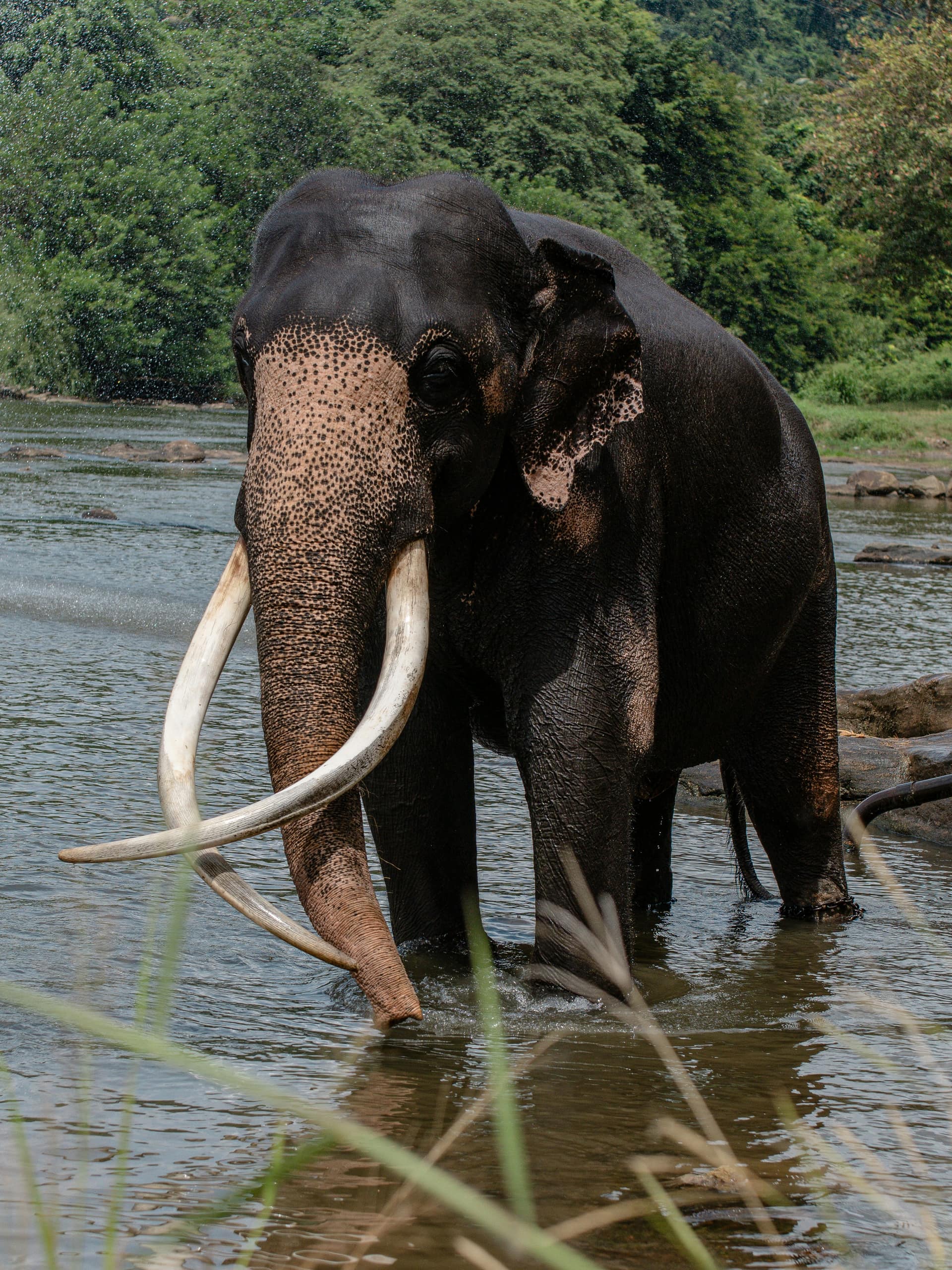
Combining two national parks meaningfully improves the odds of a strong wildlife trip rather than a single-park visit with a good or ordinary day. Yala National Park is best known for its relatively high leopard density; pairing it with Wilpattu, a larger, quieter park further north-west, adds a genuinely different landscape and a good chance at sloth bear alongside leopard and elephant.
Alternatively, Udawalawe, reliable for large elephant herds, pairs well with Minneriya or Kaudulla for the seasonal elephant gathering, when herds numbering in the hundreds can congregate around the receding waterline. Exact gathering timing shifts with rainfall each year, so confirm current conditions closer to travel dates.
A two-park extension also spreads game drives across cooler early mornings and late afternoons on both ends, rather than compressing wildlife viewing into a single rushed day at one park, which noticeably improves the overall experience.
- →Yala plus Wilpattu: strong leopard odds at Yala, added sloth bear chance and quieter game drives at Wilpattu.
- →Udawalawe plus Minneriya/Kaudulla: reliable elephant herds, with a seasonal gathering that can number in the hundreds.
- →Two full game drives per park, morning and afternoon, meaningfully outperform a single rushed visit.
The Jaffna and north extension
For travellers choosing depth over an extra wildlife park, extending time in Jaffna allows visits further out onto the peninsula and to nearby islands such as Nainativu, alongside the city's Hindu temple architecture, colonial fort and distinct Tamil culinary tradition, all of which reward more than a single overnight stop.
This variation suits travellers with a genuine interest in Sri Lanka's post-war north, which remains less visited by international tourists than the south and offers a markedly different pace and atmosphere.
This extension works reasonably well across most of the year, unlike the wildlife extension's seasonal elephant gathering, which makes it a flexible choice for travellers whose exact dates are not yet fixed months ahead of booking.
- →Nallur Kandaswamy Kovil and the wider Jaffna Fort area reward an unhurried half-day rather than a rushed stop.
- →Island-hopping to Nainativu and nearby causeway islands is realistic with two full days in the region.
- →Jaffna's cuisine, distinct from the south, is a genuine reason on its own to slow down here.
Who a 16-day trip suits
Sixteen days suits Canadian travellers with three-plus weeks of overall flexibility once travel days from Toronto, Vancouver or Montreal are counted, which in practice means retirees, remote workers, sabbaticals, or anyone stacking vacation time specifically for a milestone trip.
It is less suited to a standard two-week vacation allowance, where the fourteen-day route already uses the available time well; adding two more days on top of a standard two-week Canadian vacation, once travel days are included, usually is not realistic without additional leave.
Couples marking a significant anniversary and multigenerational families travelling together are two groups who often specifically choose this length, since it gives enough slack to accommodate different paces and energy levels within the same group without anyone feeling rushed.
What a 16-day trip roughly costs
A 16-day Sri Lanka trip for a Canadian traveller carries the flight from Canada as its largest single expense, generally worth booking several months ahead given how far in advance this length of trip tends to be planned. Ground costs, driver-guide, accommodation, park entry fees for two national parks if the wildlife extension is chosen, remain inexpensive relative to Canadian prices even across sixteen days of touring, and a single driver-guide covering the whole route keeps logistics costs proportionally low.
Tour and accommodation pricing from Sri Lankan operators is commonly quoted in USD, giving a stable reference figure that does not shift with daily exchange-rate movements the way a CAD conversion would. The extra two days over a 14-day trip add relatively little to the total cost against a flight expense that stays fixed regardless of trip length.
This is one of the clearer value arguments for a trip of this length once the time is genuinely available: the marginal cost of extending from fourteen to sixteen days is small relative to the depth it adds, whether that depth comes from a second wildlife park or a properly explored Jaffna Peninsula and its surrounding islands.
- →Flights: the largest single cost from Canada; book well ahead given the planning lead time this length of trip usually needs.
- →Two-park wildlife extension: added entry and safari vehicle fees, still inexpensive relative to Canadian prices.
- →Treat any CAD figure as a rough, exchange-rate-dependent conversion rather than the reference price.
Booking it
Confirm the Electronic Travel Authorisation (ETA) before travel, and book safari vehicles for both parks in the wildlife extension well ahead, since a two-park itinerary depends on reliable transfer timing between them.
Given the length of this trip, it is also worth considering an overnight stop at the connecting hub on the outbound leg from Canada, which meaningfully eases the fatigue of starting a sixteen-day itinerary already tired.
Lankan Stays & Trails builds this extended 16-day route as a private, driver-guided itinerary for Canadian travellers, choosing the wildlife or Jaffna extension based on what matters most to the traveller.
Frequently asked questions
Is 16 days too long for Sri Lanka?
Not for travellers with the time available. Sixteen days allows a full-island loop plus a genuine extension, either a two-park wildlife leg or a deeper visit to Jaffna and the north, and makes strong use of the roughly 20-to-26-hour flight from Canada.
What is a good 16-day Sri Lanka itinerary?
The standard full-island loop, Cultural Triangle, Kandy, hill country, north or east coast, south coast, with an added two-to-three-night wildlife extension pairing two national parks, or extra time exploring further out on the Jaffna Peninsula and its nearby causeway islands.
Should I add a second national park on a 16-day Sri Lanka trip?
It is worth considering if wildlife is a priority. Pairing Yala with Wilpattu, or Udawalawe with Minneriya, meaningfully improves sighting variety and odds compared with a single-park visit, and sixteen days has comfortable room for it without compromising the rest of the route.
How much time do you need for Jaffna and the north?
A standard 14-day loop allows roughly one to two nights in Jaffna; a 16-day trip allows two to three, which is enough to explore the peninsula further and visit nearby islands such as Nainativu rather than just the city itself.
Who is a 16-day Sri Lanka trip best suited to?
Canadian travellers with three-plus weeks of overall flexibility, such as retirees, remote workers or those combining the trip with an onward stop, rather than a standard two-week vacation allowance, which the fourteen-day route already fits comfortably well on its own.
Is 16 days enough for Sri Lanka and the Maldives?
It can work as a shorter combined trip, though most travellers doing both destinations from Canada allow closer to three weeks total once the Maldives leg is added. A dedicated guide on combining the two covers the day split between them in considerably more detail.
How much does a 16-day Sri Lanka trip cost from Canada?
The flight remains the largest single cost regardless of the extra two days. Ground costs, including a two-park wildlife extension if chosen, are inexpensive relative to Canadian prices, and tour pricing from operators is commonly quoted in USD rather than the local currency.