
Quick answer
Sun and heat management on the 12-day Alps-to-beach Sri Lanka itinerary needs adjusting at each stage: the exposed Sigiriya climb on days 1 to 2 calls for the strongest precautions, cool hill country around Nuwara Eliya and Ella on days 5 to 7 still carries real sunburn risk despite the pleasant 16 to 20°C air, and the south-coast finish at Mirissa or Unawatuna on days 8 to 12 brings the most intense, sustained tropical sun of the trip. A high-SPF sunscreen and a hat matter at every stage, not just the beach.
Key takeaways
- Sri Lanka sits close to the equator, so UV intensity is strong even in the cooler hill-country stretch where the air temperature of roughly 16 to 20°C can mask genuine sunburn risk.
- The Sigiriya climb on day 2, roughly 1,200 steps and 2 to 3 hours return, is largely exposed to direct sun and is best started early, ideally before 7am, to reduce both heat and glare.
- Nuwara Eliya and Ella's cooler air, days 5 to 7, is the part of this route where Swiss travellers most commonly underestimate sunburn risk, since the temperature feels closer to an Alpine spring day than the tropics.
- South-coast daytime highs of roughly 28 to 32°C on days 8 to 12 combine with reflective sand and water to produce the most sustained sun exposure of the whole itinerary.
- A high-SPF, broad-spectrum sunscreen (SPF 50 is a reasonable default), a wide-brimmed hat and UV-rated sunglasses are worth packing from Switzerland and using at every stage of this route, not only on the beach days.
Why sun protection needs to change stage by stage
This itinerary is unusual in how much its sun exposure profile changes across a relatively short 12 days: hot and dusty in the Cultural Triangle, genuinely cool in the hill country, then intensely sunny again on the south coast. Because Sri Lanka sits close to the equator, UV intensity stays relatively strong across all three stages, even when the air temperature drops considerably in the hills.
Swiss travellers with experience of the Alps sometimes apply a useful, if incomplete, mental model here: cooler air does not mean weaker sun, a lesson familiar from skiing at altitude, though the mechanism in the tropics (equatorial UV angle rather than thin mountain air) is different. Packing and applying sun protection consistently at every stage, not just the obviously hot ones, avoids the most common mistake on this route.
Cultural Triangle: the most physically demanding sun exposure
Days 1 to 2 around Sigiriya and Habarana combine the strongest heat of the route, typically the low-to-mid 30s Celsius, with the most physically demanding activity, the roughly 1,200-step Sigiriya climb, taking 2 to 3 hours return and largely exposed to direct sun for much of the ascent. Starting before 7am is the standard advice here, both for cooler temperatures and to beat the crowds, and this timing also reduces peak-UV exposure during the climb itself.
Dambulla's cave temples, usually visited the same afternoon, offer welcome shade once inside, but the approach and surrounding courtyards are exposed, so sun protection applied in the morning for Sigiriya generally needs reapplying before the Dambulla visit too.
- →Start the Sigiriya climb before roughly 7am to reduce both heat and peak-UV exposure.
- →Reapply sunscreen before the Dambulla cave temple visit later the same day, since the approach and courtyards are exposed.
- →A hat and sunglasses matter as much as sunscreen on the exposed upper sections of the Sigiriya rock.
Hill country: the deceptive stretch
Nuwara Eliya and Ella, roughly days 5 to 7, are where sun protection most commonly slips on this route, precisely because the air feels genuinely cool, typically 16 to 20°C in the day and sometimes near or below 10°C at night. That cooler air can feel similar to an Alpine spring morning, and the instinct to relax sun precautions the way one might on an overcast day in Switzerland does not hold here, since cloud cover and altitude do not reduce equatorial UV intensity nearly as much as the temperature suggests.
The optional dawn excursion to Horton Plains on day 6, at an elevation of roughly 2,100 to 2,300 metres, is a particular case: it is genuinely cold at that hour, cold enough that a jacket feels necessary, yet as the morning sun rises over open, largely unshaded plains, UV exposure on the walk to World's End can be considerable. Ella's outdoor walks, including Little Adam's Peak and the approach to Nine Arch Bridge on day 7, are similarly more exposed than the pleasant air temperature suggests.
- →Cool hill-country air (roughly 16 to 20°C by day) does not mean reduced UV intensity; equatorial sun angle keeps exposure meaningful.
- →The Horton Plains walk to World's End is cold at dawn but largely unshaded once the sun rises over the plains.
- →Outdoor walks around Ella, including Little Adam's Peak, warrant the same sunscreen routine as the hotter stages of the route.
South coast: the most intense, sustained exposure
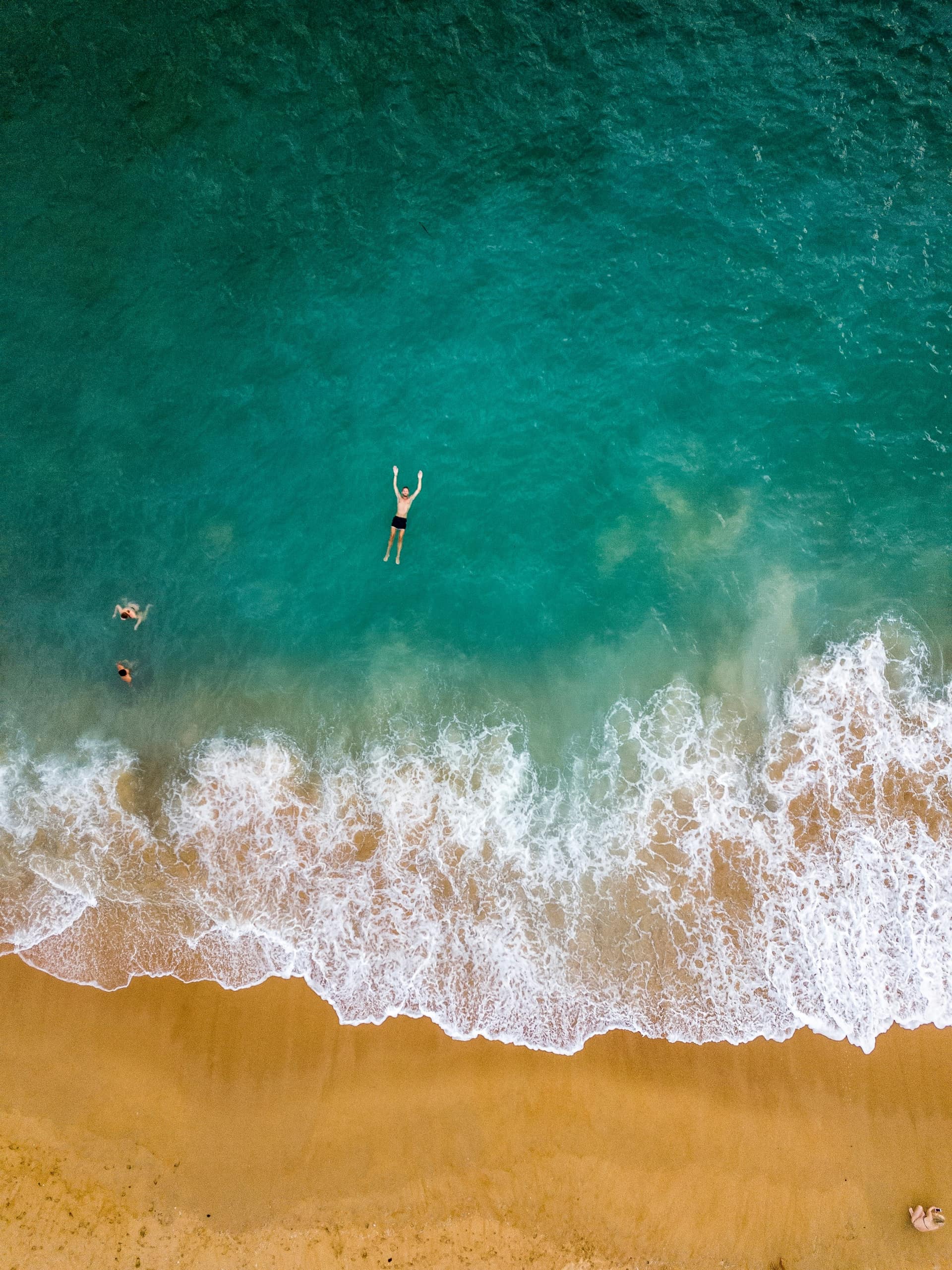
The final stretch, roughly days 8 to 12 at Mirissa or Unawatuna, brings the most sustained sun exposure of the whole itinerary, with daytime highs typically 28 to 32°C combined with reflective sand and water that intensify UV exposure beyond what the air temperature alone suggests. Whale-watching trips (season permitting, roughly November to April) and reef snorkelling both involve extended time on open water with minimal shade, which is worth planning for specifically.
By this stage of the trip, most travellers have already had several days of cumulative sun exposure from the Cultural Triangle and hill country, so treating the coast as a fresh start rather than continuing an already-tanned or already-mildly-burnt base is a mistake worth avoiding. Easing into full sun exposure on day 8 or 9 rather than spending a first full day directly on the beach reduces the risk of an uncomfortable, sunburnt final stretch of the trip.
- →Whale-watching trips and reef snorkelling both involve extended, largely shade-free time on open water.
- →Cumulative sun exposure from earlier stages of the route means the coast is not really a 'fresh start' for skin condition.
- →Easing into full sun exposure over the first day or two on the coast reduces the risk of sunburn during the trip's final, most photographed days.
Heat management beyond sunburn
Sun protection and heat management are related but not identical on this route, and dehydration or heat fatigue can set in without any visible sunburn at all, particularly during the Sigiriya climb or a full day of sightseeing in the Cultural Triangle's heat. Symptoms such as headache, dizziness or unusual tiredness during the hotter stages of the trip are worth taking seriously and addressing with rest, shade and water rather than pushing through the schedule.
Timing outdoor activity around the hottest part of the day, generally late morning to mid-afternoon, helps across all three climate stages, though it matters most in the Cultural Triangle and on the south coast, where midday heat is more intense than in the hill country. Building a short midday rest into the schedule on the hottest days, rather than sightseeing continuously, is a simple adjustment that suits this route well.
- →Headache, dizziness or unusual tiredness during hot stages of the trip can signal heat fatigue even without visible sunburn.
- →Scheduling the most demanding activity, such as the Sigiriya climb, for early morning avoids the hottest part of the day.
- →A short midday rest on the hottest days of the Cultural Triangle and south-coast stages suits this route's pacing well.
A practical sun kit for the whole route
A high-SPF, broad-spectrum sunscreen, SPF 50 is a reasonable default for this route, a wide-brimmed hat, UV-rated sunglasses and a light long-sleeved layer for the Sigiriya climb and hill-country walks together cover most of what is needed across all three climate stages. Reapplying every 2 hours during active outdoor time, and immediately after swimming or heavy sweating, matters more on this route than the specific brand or product chosen.
Lip balm with SPF is easy to overlook but worth packing, particularly for the Sigiriya climb and the hill-country walks, where wind and sun combine to dry and burn lips faster than most travellers expect. A refillable water bottle, topped up with bottled or filtered water at each hotel, also supports the hydration side of heat management without adding to plastic waste across the route.
We at Lankan Stays & Trails flag the hill-country sun risk specifically to travellers before departure, since it is the one part of the route where the temperature genuinely misleads people, and a sunburnt day 6 or 7 tends to affect comfort for the rest of the trip, including the beach days that follow.
Frequently asked questions
Do I need sun cream in the cool hill-country part of this itinerary?
Yes, despite daytime temperatures of roughly 16 to 20°C in Nuwara Eliya and Ella, UV intensity stays strong given Sri Lanka's equatorial latitude. This is the stage of the route where travellers most often underestimate sunburn risk.
What time should I start the Sigiriya climb to avoid heat and sun?
Starting before roughly 7am is standard advice, reducing both heat and peak-UV exposure during the roughly 1,200-step, 2 to 3 hour return climb, most of which is exposed to direct sun once past the lower sections.
Is the south coast the sunniest part of the trip?
It is generally the most sustained exposure, with daytime highs of roughly 28 to 32°C over 4 to 5 days at Mirissa or Unawatuna, plus reflective sand and water during whale-watching trips and snorkelling that intensify UV exposure.
What SPF should I pack for this Sri Lanka itinerary?
SPF 50, broad-spectrum, is a reasonable default across all three climate stages of this route: the hot Cultural Triangle, the deceptively strong hill-country sun, and the intense south-coast finish.
Is the Horton Plains walk cold or sunny?
Both. It starts genuinely cold at dawn at an elevation of roughly 2,100 to 2,300 metres, cold enough for a jacket, but the walk to World's End crosses largely open, unshaded plains once the sun rises.
How often should I reapply sunscreen on this route?
Roughly every 2 hours during active outdoor time, and immediately after swimming or heavy sweating, matters more than the specific product used, particularly on the Sigiriya climb and the south-coast beach days.