
Quick answer
Ethical wildlife tourism in Sri Lanka means choosing observation-based safaris over any activity involving captive animal contact, avoiding elephant riding and unregulated elephant camps, choosing turtle conservation projects that avoid paid handling, and selecting safari guides who maintain respectful animal distance rather than pressuring closer approaches for a better photo. Genuine conservation projects are transparent about their funding and practices, a fair test to apply before booking any wildlife activity.
Key takeaways
- Elephant riding and unregulated elephant camps involve practices, including methods used to make elephants compliant, that are widely considered unethical by conservation organisations, and are worth avoiding entirely regardless of price point.
- Genuine turtle conservation projects avoid paid handling of hatchlings or juveniles and do not keep adult turtles captive for extended display, in contrast to some roadside operations along the coast.
- A responsible safari guide maintains a respectful distance from wildlife and never pressures a vehicle closer than is safe or appropriate for the animal, even when a closer approach would improve a photograph.
- The Elephant Transit Home at Udawalawe, built around eventual release rather than captivity, is a genuine example of a responsible model worth supporting over close-contact alternatives.
- Transparency about funding and practices is a fair, simple test to apply before booking any wildlife activity: a genuine conservation project should be willing to explain clearly what it does with visitor fees.
Why a high price doesn't guarantee ethical practice
A luxury price tag reflects the quality of accommodation, guiding and service, not necessarily the ethics of every activity offered alongside it, and it is entirely possible to book an expensive trip that includes an unethical wildlife experience if due diligence is not applied specifically to that activity.
This is worth stating plainly rather than assuming luxury travel automatically implies responsible travel; the two require separate consideration when planning a nature-focused trip.
Elephant riding and unregulated captive elephant camps
Elephant riding and visits to unregulated elephant camps involve practices, including methods historically used to make elephants compliant for riding and performance, that are widely considered unethical by conservation organisations, and are worth avoiding entirely regardless of how the activity is marketed.
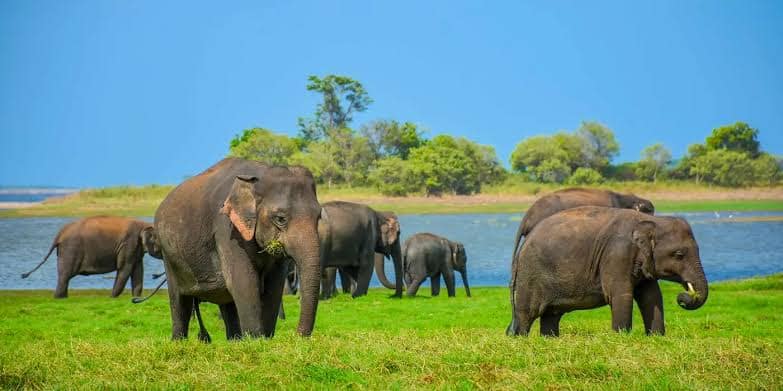
A wild safari sighting, or a visit to a genuine rehabilitation project such as the Elephant Transit Home at Udawalawe, offers a responsible alternative that still delivers a meaningful elephant encounter without the ethical concerns of captive riding.
Turtle conservation: what to look for and avoid
Genuine turtle conservation projects avoid paid handling of hatchlings or juveniles for photographs, do not keep adult turtles captive for extended display, and release hatchlings promptly, generally the same night they emerge, rather than holding them longer than conservation requires.
Some roadside operations along the coast instead function primarily as paid handling attractions; asking directly about handling policies and where fees go before booking is a reasonable way to distinguish the two.
- →Avoid: elephant riding, unregulated captive elephant camps, paid turtle handling, extended captivity of adult turtles.
- →Look for: observation-based safaris, the Elephant Transit Home's release model, transparent conservation funding.
Safari etiquette: distance and pressure
A responsible safari guide maintains a respectful distance from wildlife throughout a drive, never pressuring the vehicle closer than is safe or appropriate for the animal even when a closer approach would improve a sighting or photograph.
This etiquette matters as much at a luxury tier as anywhere else, and it is reasonable to discuss expectations around this directly with a guide or operator before booking a private safari.
A simple test to apply before booking any wildlife activity
Transparency about funding and practices is a fair, simple test: a genuine conservation project should be willing to explain clearly what it does with visitor fees, its approach to animal welfare, and why it operates the way it does, rather than deflecting the question.
Applying this test consistently, to elephant experiences, turtle projects and safari operators alike, is a practical way to keep a luxury nature-focused trip genuinely responsible rather than simply expensive.
Frequently asked questions
Is elephant riding ethical in Sri Lanka?
No. Elephant riding and unregulated captive elephant camps involve practices widely considered unethical by conservation organisations, and are worth avoiding entirely in favour of wild safari sightings or genuine rehabilitation projects.
How do I know if a turtle hatchery is ethical?
A genuinely ethical project avoids paid handling of hatchlings or juveniles, does not keep adult turtles captive for extended display, and releases hatchlings promptly; ask directly about these practices before booking.
What is the Elephant Transit Home?
A rehabilitation centre bordering Udawalawe National Park that raises orphaned and injured elephant calves with minimal human contact before releasing them back into the wild, a genuine example of a responsible model.
Is it ethical to get close to wildlife for a photograph?
A responsible guide never pressures a vehicle closer than is safe or appropriate for the animal, even when a closer approach would improve a photograph; this etiquette matters regardless of the trip's price point.
Does luxury travel guarantee ethical wildlife experiences?
No. A high price reflects accommodation and service quality, not necessarily the ethics of every activity offered; due diligence on specific wildlife activities is still needed regardless of overall trip cost.
What questions should I ask before booking a wildlife activity?
Ask what the operation does with visitor fees, its approach to animal welfare, and why it operates the way it does; a genuine conservation project should answer these questions clearly and transparently.
Does Lankan Stays & Trails vet wildlife activities for ethics?
Yes. We select observation-based safaris, genuine conservation projects and guides who maintain respectful animal distance, avoiding elephant riding and unregulated captive wildlife experiences entirely.