
Quick answer
On a 7-day Sri Lanka itinerary, rest comes in three places: the midday break from roughly 11am to 3pm on every sightseeing day, the gentle mornings on day 3 at Sigiriya and day 7 on the coast, and day 6 at Mirissa, the only day without a transfer. Travellers who need a full rest day in the middle of the week should choose the three-base version, which keeps two nights at every stop.
Key takeaways
- The classic 7-day route has one day without any transfer: day 6 on the south coast.
- Every sightseeing day includes a midday rest of roughly four hours through the heat.
- Day 3, Sigiriya to Kandy, is the shortest drive and allows a slow morning.
- A full mid-week rest day costs one region; the three-base version builds rest in without losing a day.
- Choosing hotels with pools and shaded gardens makes the midday rests far more restorative.
Why a 7-day Sri Lanka itinerary has no full rest day
A 7-day Sri Lanka itinerary visits four regions in six nights, and each move uses much of a day. Adding a full rest day in the middle of the classic route means removing a stop, usually Kandy or Ella, which changes the whole shape of the week.
For most travellers that trade is not necessary, because the rest is already there in smaller pieces. The key is to recognise those pieces in advance and protect them rather than filling them with extra sights.
Where rest matters most is the middle of the week. Days 3, 4 and 5 involve three single-night stops and two early starts, and that is where fatigue builds.
- →Adding a rest day usually means losing a region.
- →The classic route already contains plenty of shorter rests.
- →Fatigue builds most on days 3 to 5.
The midday break on every sightseeing day
The most reliable rest on a 7-day Sri Lanka itinerary is the midday break. From roughly 11am to 3pm, the Cultural Triangle is too hot for comfortable sightseeing, and the classic route leaves those hours empty on day 2 for exactly that reason.
Four hours in the middle of the day, with lunch, a swim and a nap, is as restorative as a lazy morning, and it costs nothing in sights. The trick is to treat it as part of the plan rather than a gap to fill with a spice garden or a gem shop.
On transfer days, the midday hours are spent in the car, which is rest of a sort. Choosing a good lunch stop and a comfortable vehicle makes a real difference.
- →Day 2 at Sigiriya: a long midday break between the rock and Dambulla.
- →Transfer days: the car absorbs the midday heat.
- →Resist filling the break with commercial stops.
The gentle mornings
Two days on the classic route start without an alarm. Day 3, from Sigiriya to Kandy, is the shortest drive of the week at roughly two and a half to three hours, and can start after a slow breakfast. Day 7 starts at a reasonable hour on the coast, planned backwards from the flight.
These mornings are more valuable than they appear. After the pre-dawn climb at Sigiriya, a long breakfast by the pool on day 3 is often the moment travellers first feel properly on holiday.
Day 6: the only day without a transfer
Day 6 at Mirissa is the only full day on the classic 7-day route without any scheduled travel, and it is the week's main rest. It comes at the right moment, after five days of early starts and long drives, and before the final day's journey to the airport.
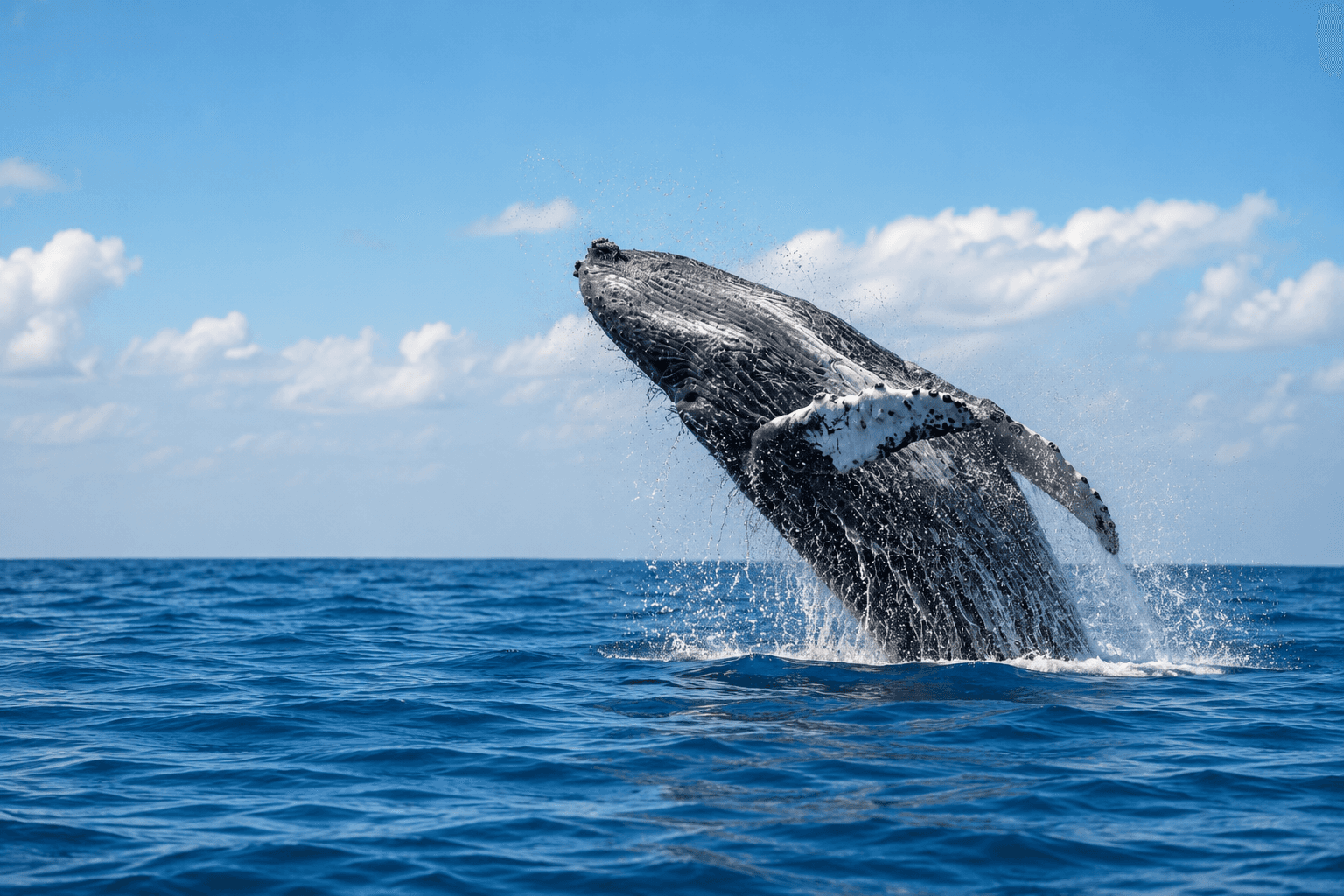
It is also the day most at risk of being filled. Whale watching takes most of the morning; a trip to Galle, a surf lesson and Coconut Tree Hill could fill the afternoon. Choosing one activity at most, and leaving the rest of the day open, is what keeps day 6 restful.
- →One activity at most on day 6.
- →Whale watching occupies roughly four to six hours in the morning.
- →A pure beach day is a perfectly good choice.
Adding more rest without losing a stop
There are three ways to add rest to a 7-day Sri Lanka itinerary without losing a region. The first is to board the hill-country train at Nanu Oya rather than Kandy, which removes several hours of sitting on day 4. The second is to skip optional extras such as Polonnaruwa or a second safari.
The third, and most effective, is to change the night split. The three-base version keeps two nights at Sigiriya, Kandy and the coast, giving a full day at every stop and removing one hotel change. It gives up Ella's dawns, but the week becomes much calmer.
Travellers who want a genuine full rest day, with nothing at all planned, should either add an eighth day or accept dropping the hill country.
- →Board the train at Nanu Oya to shorten day 4.
- →Drop optional extras such as Polonnaruwa.
- →Choose the three-base version for a full day at every stop.
- →Add an eighth day for a genuine full rest day.
Hotels that make rest easier
The midday rests only work if the hotel is somewhere you want to spend four hours. In the Cultural Triangle, that means a pool and shaded gardens; many hotels around Sigiriya and Habarana have both. In Kandy, a garden or a view helps; in Ella, a veranda looking over the hills.
On the coast, direct beach access and a pool for days when the sea is rough are worth prioritising. Spending a little more on the two-night stops is usually better value than spending more on the single nights.
An Ayurvedic massage or spa treatment is one of the most effective ways to spend a midday break, particularly after the Sigiriya climb or the train day. Many hotels offer them, and a single session of an hour or so is a very different thing from a full Ayurveda programme, which needs far longer than a week.
- →Cultural Triangle: a pool and shaded gardens.
- →Kandy and Ella: a garden, veranda or view.
- →Coast: beach access plus a pool for rough-sea days.
- →Anywhere: a single Ayurvedic massage during the midday break.
Protecting rest on the trip
The simplest way to protect rest on the trip is to decide in advance what each midday break and each free afternoon is for, and to say no to additions that were not planned. Drivers and hotels often suggest extras in good faith; declining them is perfectly normal.
Lankan Stays & Trails treats the midday break as a fixed part of every day on this route and leaves day 6 open by default, because the difference between a tiring week and a restful one is usually a handful of hours in the right places.
Frequently asked questions
Should I include a rest day on a 7-day Sri Lanka trip?
The classic route already has one: day 6 on the coast, with no transfer. A further full rest day in the middle of the week would cost a region. For more rest without losing a day, choose the three-base version or skip optional extras.
Where is the best place for a rest day in Sri Lanka?
On the coast, at the end of the week, after the long drives. Mirissa, Unawatuna and Tangalle all suit a lazy day. In the middle of a trip, a two-night stay at Sigiriya or Kandy with a hotel pool also works well.
Is a 7-day Sri Lanka itinerary too busy?
It is busy but manageable if each day has a midday rest and day 6 is kept light. Travellers who find it too busy on paper should reduce the number of bases or drop the hill country rather than trying to start later.
How do I avoid burnout on a short Sri Lanka trip?
Rest through the midday heat, go to bed early before dawn starts, keep day 6 on the coast free, and resist adding extras. Choosing hotels with pools and shade makes the midday breaks genuinely restorative rather than just waiting time.
Can I add an eighth day to rest?
Yes, and it is one of the best uses of an extra day. An eighth day usually goes to a second night in Ella or a third night on the coast, both of which make the week noticeably calmer without adding any extra transfers.
What should I do in the midday heat in Sri Lanka?
Have lunch, swim, read, nap or travel. In the Cultural Triangle, temperatures often reach the low to mid thirties Celsius from roughly 11am to 3pm, so outdoor sites are best left until the late afternoon.