
Quick answer
Seetha Eliya is linked to Sita through tradition rather than records. The name is read as Sita's plain; the cool, forested valley with a stream matches the epic's picture of a lush grove; local stories place her bathing and Hanuman's visit here; and Hindu communities, especially Hill Country Tamils and Indian pilgrims, have honoured the spot for generations. Historians treat the identification as devotional tradition, part of a wider pattern that ties the Ramayana to places across Sri Lanka.
Key takeaways
- The link between Seetha Eliya and Sita is tradition, not documented history.
- The place name is read as Sita's plain.
- The cool forested valley and stream fit the epic's picture of Ashok Vatika.
- Local stories of Sita's bathing and Hanuman's footprints grew around the site.
- Generations of devotees have kept the identification alive.
What the epic says
Valmiki's Ramayana describes Ravana's Lanka as a city on Mount Trikuta, surrounded by the sea, with a pleasure garden of ashoka and other flowering trees, pools and pavilions. Sita is kept in this garden, Ashok Vatika, under guard, after refusing to enter Ravana's palace.
The epic gives poetic detail rather than geography. It does not name valleys or rivers in a way that can be traced on a modern map, which is why identifications of Ramayana places in Sri Lanka come from later tradition rather than the text itself.
That leaves room for many places to claim a link, and Sri Lanka has dozens. Seetha Eliya is among the most widely accepted.
- →Lanka on Mount Trikuta, surrounded by sea.
- →Ashok Vatika: a pleasure garden with flowering trees.
- →No traceable geography in the text.
The place name
The name Seetha Eliya, or Sita Eliya, is usually read as Sita's plain or Sita's open land. Eliya is a common element in hill country place names, as in Nuwara Eliya itself, often explained as plain or light.
Nobody knows exactly when the name came into use, and place names can both reflect and reinforce traditions. Whether the name followed the story or the story followed the name, the two now support each other.
Visitors notice the name on road signs long before they see the temple, and for many pilgrims it is the first sign that they are approaching Sita's place.
The landscape fits the story
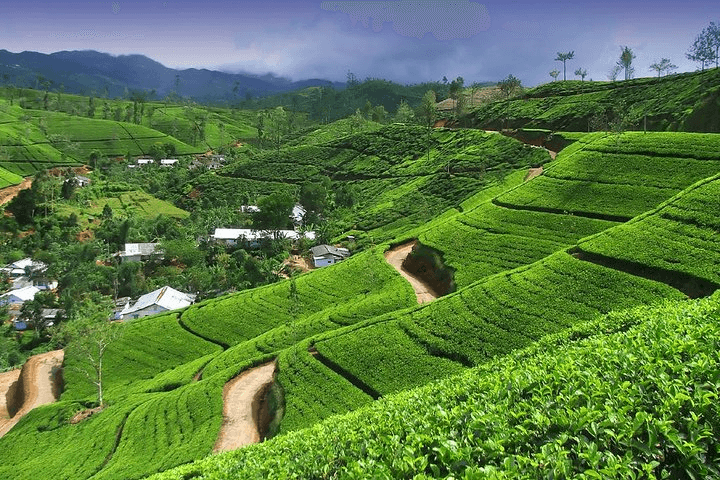
The valley around Seetha Eliya has everything the epic's grove needs: a clear stream, rocks, mist, cool air and forest rising on the slopes. Compared with the hot plains and coasts, it feels like a secluded royal garden.
Its height and isolation also suit the story. A captive queen hidden in the hills, far from the coast where Rama's army would land, makes narrative sense to many devotees.
The nearby Hakgala rock and garden, with their own legends, strengthen the picture of a whole landscape belonging to the Ramayana.
- →Stream and rocks for Sita's bathing.
- →Cool, misty forest for a secluded grove.
- →Height and distance from the coast.
Stories that grew around the site
Over time, local stories filled in the details. The stream became the water where Sita bathed, marks on the rocks became Hanuman's footprints, and some accounts tell of images of Rama, Sita and Lakshmana found in the water.
Such stories are typical of pilgrimage places across South Asia, where natural features gain meaning through devotion. They are passed down in families, told by priests and repeated by guides, gaining weight with each telling.
Our page on how Sri Lanka's Ramayana sites were identified explains the same process across the island, from Ussangoda to Divurumpola.
The people who kept it alive
Hill Country Tamil families, who came to the estates from South India, recognised the valley from the Ramayana they knew and honoured Sita there. Their shrine became the centre of local worship and festivals.
Later, Indian pilgrims, tour operators and tourism bodies embraced Seetha Eliya as a key stop on the Ramayana trail. Their visits and donations helped turn a local shrine into a widely known temple.
Each group strengthened the tradition in its own way, and today it is shared across communities and borders.
- →Estate families: the first known custodians.
- →Indian pilgrims: visits and donations.
- →Tourism bodies: promotion on the Ramayana trail.
How to approach the question
Historians see the link between Seetha Eliya and Sita as devotional tradition. Pilgrims see it as faith. These views can sit side by side, and most guides at the temple speak of what tradition holds rather than what history proves.
For visitors, the useful question is not whether Sita was really here, but what the place means to the people who come. Watching families pray by the stream answers that clearly.
Lankan Stays & Trails guides tell the story with that balance, giving pilgrims the devotional account and curious travellers the historical context.
- →Use "tradition holds" when sharing the story.
- →Respect faith without needing to prove it.
- →Ask devotees what the place means to them.
Frequently asked questions
Is Seetha Eliya mentioned in the Ramayana?
Not by name. Valmiki describes Ashok Vatika as a pleasure garden in Ravana's Lanka without traceable geography. The identification of Seetha Eliya with that garden comes from later tradition, kept alive by local Hindu communities and pilgrims.
What does Seetha Eliya mean?
The name is usually read as Sita's plain or Sita's open land. Eliya is a common element in hill country names, as in Nuwara Eliya. Spellings vary between Seetha Eliya and Sita Eliya on signs and maps.
When did the tradition begin?
Nobody knows. The tradition is old and was sustained by Hill Country Tamil families and later by Indian pilgrims. No early written record dates it. The present temple building is modern, but the belief behind it is much older.
Are there other places that claim Ashok Vatika?
Within Sri Lanka, Hakgala garden is linked to the same grove, and some traditions name other sites. In India, ideas of where Lanka lay also vary. Seetha Eliya is the most widely accepted location among Sri Lankan and Indian pilgrims.
Do Sri Lankan Buddhists accept the tradition?
Views vary. Many Sinhala Buddhists know the stories and respect the temple, while some tell their own versions of the epic in which Ravana is a great king. In practice, the site is widely accepted as a Hindu sacred place.
Does it matter whether the tradition is historical?
For pilgrims, the meaning of the place comes from faith and centuries of devotion. For historians, it is a fascinating example of how sacred geography forms. Visitors can appreciate both views while respecting the worship they see.
Where can I read more about the Ramayana sites?
Our guide to how Sri Lanka's Ramayana sites were identified covers the wider tradition, and the Ramayana trail hub lists the main places. The Seetha Amman Temple pillar page explains the visit itself in detail.