
Quick answer
A Sri Lanka wildlife and beach holiday in March is excellent for leopards and beaches. Yala is drying out, concentrating animals at waterholes; Mirissa's whale boats still run daily on calm seas; and the south coast is sunny and settled. Temperatures rise to roughly 30 to 33 degrees, so safaris should be at dawn and late afternoon, with the middle of the day for the pool. Bundala's migrants begin to leave late in the month.
Key takeaways
- March is one of the best months for leopard sightings in Yala as waterholes shrink.
- Mirissa's whale boats run daily in March, with calm seas in the morning.
- Temperatures on the coast reach roughly 30 to 33 degrees, so midday rest is essential.
- Bundala's migratory birds begin to leave from late March.
- Easter can fall in March or April, bringing busier weeks to the south coast.
March weather on the route
March weather on the wildlife and beach route is hot and dry. The south and west coasts are sunny, with calm seas and long dry spells. Temperatures climb through the month, roughly 30 to 33 degrees on the coast, with high humidity, and the parks are hotter still at midday.
Late March can bring the first pre-monsoon showers, usually short afternoon storms, as the inter-monsoon approaches.
March sea conditions on the south coast are usually excellent, with flat mornings and clear water. Snorkelling at Unawatuna and Jungle Beach is at its clearest, and swimming is comfortable at most beaches, though a light afternoon breeze can pick up the waves.
- →Coast: sunny, calm, hot.
- →Parks: very hot at midday, cooler at dawn.
- →Showers: possible late in the month.
Yala in March
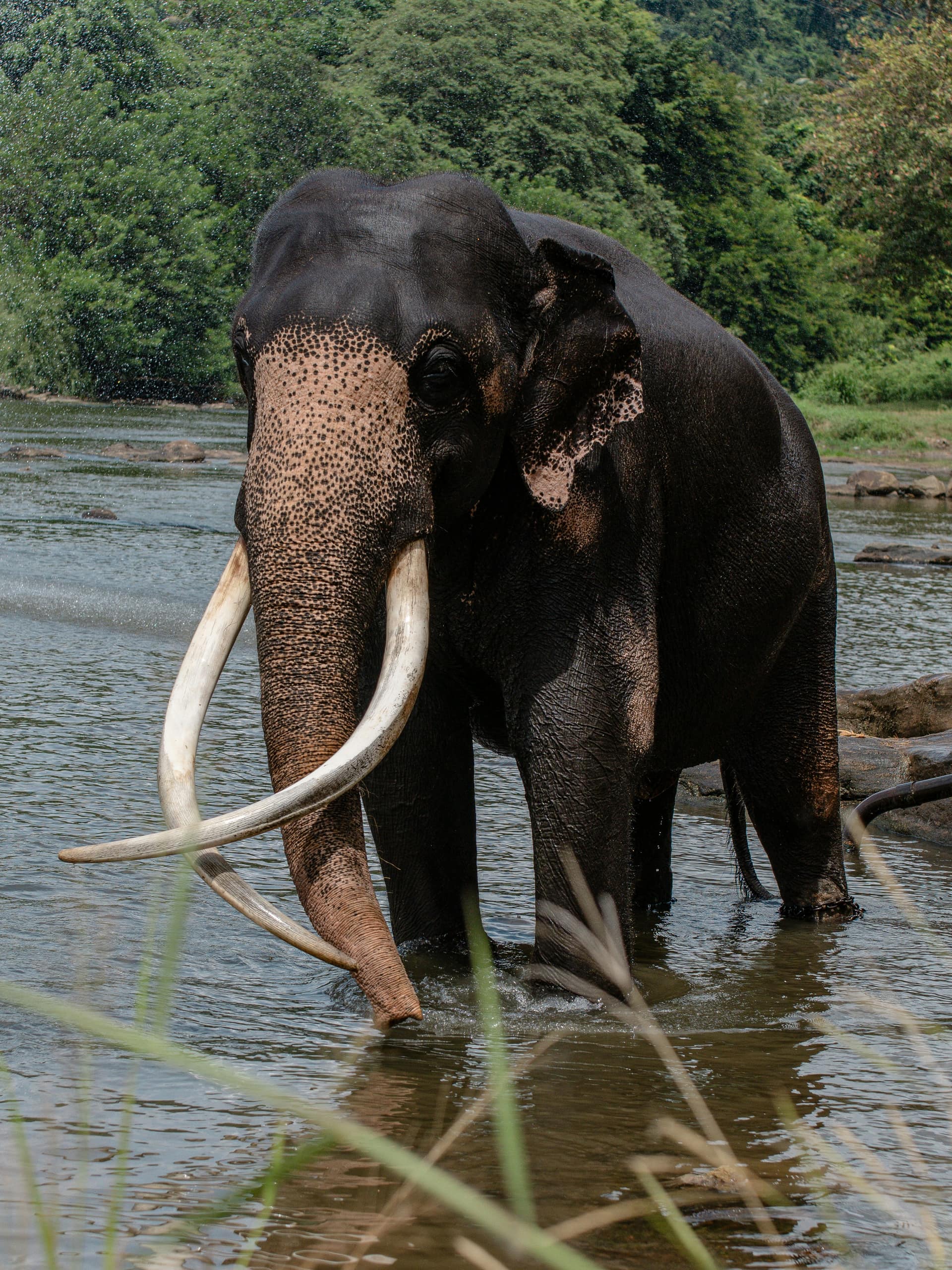
Yala in March is often at its best for leopards. The park has been drying since February, and animals cluster at the few remaining waterholes. Leopards, sloth bears, elephants and deer are seen more predictably, and the thinner vegetation makes spotting easier.
Dawn drives are the most rewarding, with active animals and cooler air. Afternoon drives catch animals coming to water before sunset. Full-day safaris are very hot in March.
The thinning scrub in March also helps with other animals. Sloth bears become a little easier to spot towards the end of the dry season, and herds of elephants move to the lagoons and remaining tanks, often in the late afternoon. Bird activity is high at waterholes, especially at dawn.
- →Dawn: best time for leopards.
- →Waterholes: focus of activity.
- →Midday: very hot, rest at the lodge.
Managing the heat
Managing the heat is the main adjustment for a March wildlife and beach holiday. Plan safaris for dawn and late afternoon, rest in the shade or by the pool between, and drink plenty of water. A hat, long light sleeves and high-factor sunscreen help in an open jeep.
On the beach, swim in the morning and late afternoon, and choose hotels with good shade and a pool. Many travellers take a long lunch and a nap in the hottest hours.
Lankan Stays & Trails adjusts March itineraries to keep drives out of the midday heat where possible.
Children and older travellers feel the heat most in March. Shorter safaris, cool drinks in the jeep, damp cloths for the neck and a rest in an air-conditioned room after lunch all help keep everyone comfortable through the hottest part of the season.
- →Safaris: dawn and late afternoon only.
- →Water: at least two to three litres a day.
- →Shade: hat, sleeves, sunscreen.
The March route
The March route follows the classic wildlife and beach itinerary. Leopard enthusiasts might take the safari-heavy version, with extra Yala drives, since March is one of the best months for them.
Whale watching remains good, though some years see sightings tail off towards the end of the month. Placing the whale boat earlier in the coastal half, on day six or seven, is sensible.
The beach half of a March trip benefits from shade. Hotels with mature gardens, pools and air-conditioned rooms make a big difference, and an afternoon nap is a sensible part of the plan rather than a lost hour.
- →Days 1 to 4: Udawalawe, Yala at dawn and Bundala.
- →Days 5 to 7: Tangalle, Rekawa, Mirissa and whales.
- →Days 8 to 10: Unawatuna, snorkelling and the airport.
Easter and school holidays
Easter and school holidays bring busier weeks to the south coast when they fall in March. Hotels and camps fill, and Yala sees more jeeps. Booking two to four months ahead helps.
Medin Poya, the March full moon, is a quieter poya, with temples busier and alcohol not sold.
Outside the Easter weeks, March is often slightly quieter than February in Yala, which together with the dry conditions makes it a favourite month for keen wildlife watchers.
- →Easter: busy weeks, book ahead.
- →Poya: no alcohol sales.
- →Late March: quieter, before the April holidays.
Frequently asked questions
Is March a good time for a safari in Sri Lanka?
Yes, one of the best for leopards. Yala is drying out, and animals gather at waterholes. The south coast is sunny and calm, and Mirissa's whales are still in season. Heat is the main challenge.
How hot is Sri Lanka in March?
Hot, with coastal temperatures of roughly 30 to 33 degrees and high humidity. The parks are hotter at midday. Dawn and late afternoon are the comfortable times for safaris and beach walks.
Can you see whales in March in Mirissa?
Yes. March is still in the main whale-watching season, with boats running daily on calm seas. Some years see sightings tail off towards the end of the month, so earlier is safer.
Is Yala good in March for leopards?
Yes. March is one of the best months, as waterholes shrink and leopards are seen more predictably. Dawn drives are the most rewarding, and two or three drives give the best odds.
Is March busy in Sri Lanka?
It is still high season on the south coast, busier around Easter when it falls in March. Late March, before the April holidays, can be quieter. Book camps and beach hotels a few months ahead.
What should I wear on safari in March?
Light, loose, neutral clothes with long sleeves for sun protection, a wide-brimmed hat and sunglasses. Mornings can be cool briefly, so a thin layer helps at dawn. Avoid bright colours, which can disturb animals.