
Quick answer
March is an excellent month to visit Sri Lanka, keeping most of the dry-season weather on the south and west coasts and in the hill country while crowds and prices drop below February levels. Safari at Yala and Udawalawe stays strong, whale watching off Mirissa continues, and the north and east begin to dry out towards the end of the month. Expect rising heat and humidity, and the first inter-monsoonal thunderstorms in the second half of March, usually as short afternoon downpours.
Key takeaways
- March holds dry-season conditions on the south and west coasts while crowds thin after the February peak.
- Yala and Udawalawe remain in prime dry-season safari condition through March.
- The first inter-monsoonal thunderstorms usually appear in the second half of the month, typically brief and in the afternoon.
- Trincomalee and the east begin to dry out late in March, ahead of their May to September season.
- March is the hottest stretch of the year in the Cultural Triangle, so start sightseeing at dawn.
March weather and the first inter-monsoon
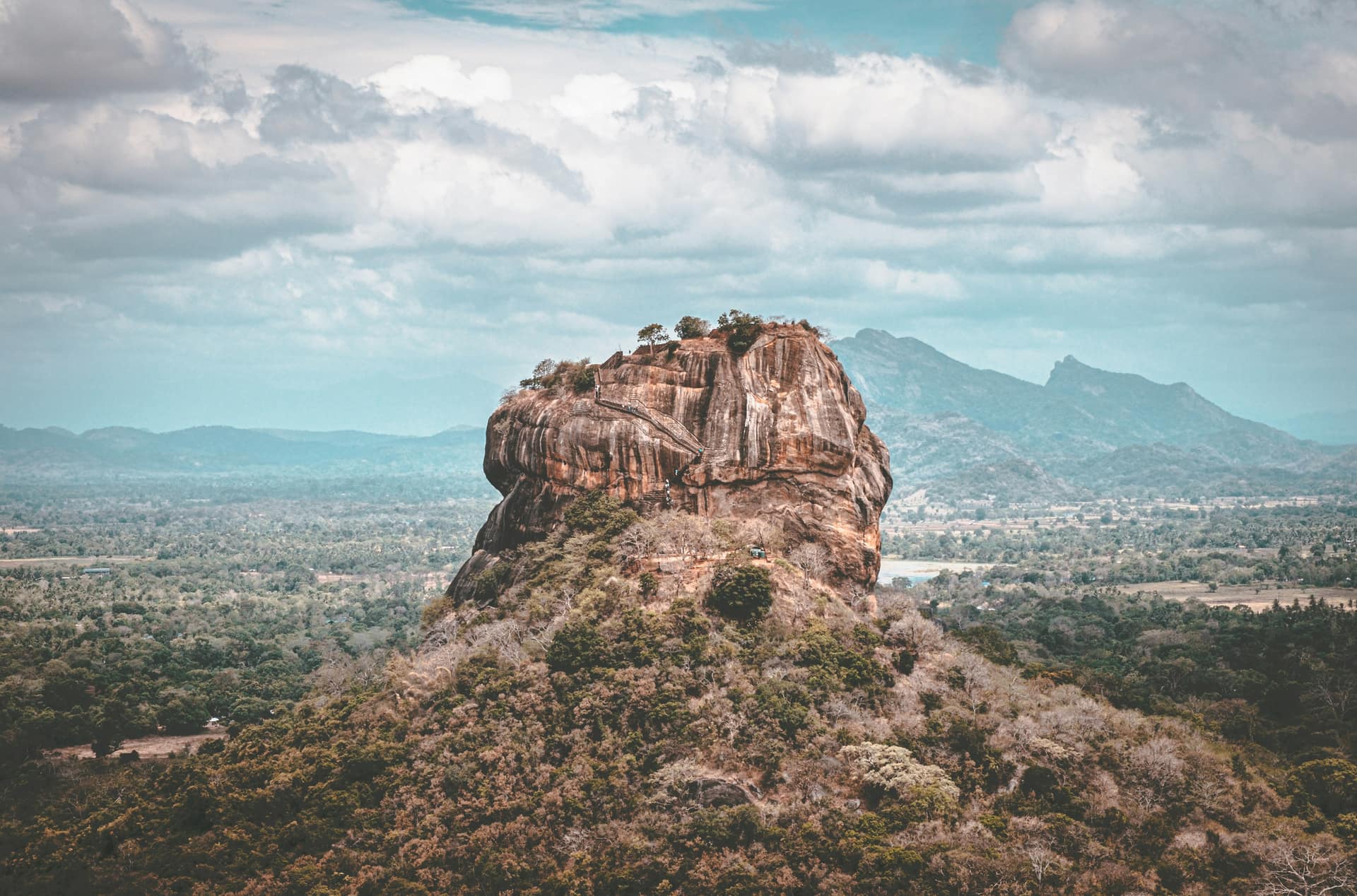
For the first two or three weeks, March behaves like an extension of February across the south, west and hill country: dry mornings, hot afternoons, calm sea. What changes is the heat. March is generally the hottest month in the low country, and the Cultural Triangle around Sigiriya, Dambulla and Polonnaruwa becomes genuinely punishing between about ten in the morning and three in the afternoon.
From roughly mid-March, the first inter-monsoonal convection appears. These are not monsoon rains. They are short, heavy, localised afternoon thunderstorms that clear within an hour or two, and they rarely cost you a day. Plan outdoor activity for mornings and you will barely notice them.
- →South and west coasts: dry and hot, with occasional late-month afternoon storms.
- →Cultural Triangle: the hottest weeks of the year. Sunrise starts are essential.
- →Hill country: warm days, cool nights, more afternoon cloud than February.
- →North and east: drying out through the month, reliably good from around May.
Safari and whales in March
March is still firmly inside the dry-season safari window that runs from roughly February to July. Yala's Block 1 waterholes are low, Udawalawe's elephant herds are easy to find, and Wilpattu's villus are at their most productive. Because the parks are quieter than in February, drives feel less like a convoy and more like a search.
Blue whale watching from Mirissa runs through March and often into April, at the tail of the southern season. Sea state is generally still calm. Turtles nest on the south coast beaches around Rekawa and Kosgoda year-round, with activity picking up as the year goes on.
- →Yala and Udawalawe: prime conditions with noticeably fewer jeeps than February.
- →Mirissa: whale watching continues through March, in the tail of the season.
- →Sinharaja: drier than average and one of the better months for endemic birds.
Hill country and hiking in March
The tea country is at its most photogenic in March. Estates around Haputale, Ella and Hatton are green from the earlier rains but not yet drenched, and the light in the first hour after sunrise is exceptional. Lipton's Seat and Little Adam's Peak are best walked at dawn, both for the view and because the heat arrives fast.
The Adam's Peak pilgrimage season continues, with crowds building towards its close at Vesak in May. Horton Plains still offers good World's End odds early in the day, though slightly worse than February as cloud builds earlier in the season.
- →Lipton's Seat above Haputale: leave before dawn to beat the cloud.
- →Little Adam's Peak, Ella: a 45 to 90 minute return walk, best at sunrise.
- →Horton Plains: be at the gate at opening for the clearest World's End.
Where to swim and surf in March
The south and west coasts stay swimmable and calm through March, with Mirissa, Tangalle, Bentota and Unawatuna all reliable. Surf on the south coast holds up at Weligama, Midigama and Ahangama, though the season is past its January peak and the swell can be less consistent.
Late March is the crossover. Snorkelling at Pigeon Island off Nilaveli is not yet dependable, but the east coast weather is improving. If your trip runs to early April and you want both coasts, March is the only month where that is even arguable.
Crowds, cost and why March is good value
March is a shoulder month in pricing terms without being a shoulder month in weather terms, which is an unusual combination. European and Australian school holidays have largely finished, the Christmas peak is a memory, and hotel rates in Galle Fort, the tea bungalows and the safari camps come down from their February highs.
Availability also improves. Reserved seats on the Kandy to Ella train, Yala jeeps and whale boats are all easier to secure at shorter notice than in January or February, though we would still book the train ahead.
- →Rates and availability are better than January and February across the board.
- →Parks and viewpoints are noticeably quieter, especially midweek.
- →Domestic travel picks up sharply as April's new year approaches.
A March itinerary that plays to the month
Build the trip around early mornings. Cultural Triangle first with dawn climbs, then Kandy and the hill country while the days are still clear, then the south coast for safari, whales and beach time at the end when a short afternoon storm costs you nothing.
Lankan Stays & Trails schedules March trips with pre-dawn departures and long, slow afternoons rather than fighting the heat. If you are set on the east coast, we will tell you plainly that late May onwards is the right call.
Frequently asked questions
Is March a good time to visit Sri Lanka?
Yes. March holds most of the dry-season weather on the south and west coasts, the hill country and the Cultural Triangle, while crowds and prices fall below February levels. Expect more heat, and short afternoon thunderstorms in the second half of the month.
What is the weather like in Sri Lanka in March?
Hot and mostly dry in the south, west and Cultural Triangle, with daytime temperatures typically in the low to mid thirties Celsius. The hill country stays comfortable with cooler nights. Brief inter-monsoonal afternoon thunderstorms become more common from mid-March.
Is March too hot in Sri Lanka?
March is generally the hottest month in the low country, and the Cultural Triangle is demanding between mid-morning and mid-afternoon. It is entirely manageable if you sightsee at dawn, rest in the middle of the day, and keep afternoons for the coast or shade.
Can you go on safari in Sri Lanka in March?
Yes, and it is one of the better months. March sits inside the dry-season window of roughly February to July, when animals concentrate around shrinking waterholes at Yala, Udawalawe and Wilpattu. Parks are quieter than in February, so drives feel less crowded.
Can you visit the east coast of Sri Lanka in March?
Late March is a transition. The north and east are drying out after the north-east monsoon, but conditions are not yet reliable. Pigeon Island snorkelling and Arugam Bay surf both come good from around May. For a March trip, plan the south and west.
Is Sri Lanka busy in March?
Less busy than January and February. The main European and Australian holiday peaks have passed, so hotel rates ease and availability improves. Domestic travel does build towards the Sinhala and Tamil New Year in mid-April, which affects late-March weekends.
What should I pack for Sri Lanka in March?
Light, loose, breathable clothes for serious heat, a wide-brimmed hat and reef-safe sun protection, modest cover for shoulders and knees at temples, a light layer for cool hill-country nights, and a compact rain shell for late-month afternoon storms.