
Quick answer
February is statistically the driest month of the year across Sri Lanka's south and west coasts, the hill country and the Cultural Triangle, which makes it the strongest all-round month to visit. Yala and Udawalawe are in prime dry-season safari condition, whale watching off Mirissa is reliable, and the sea is calm. The north and east remain wet under the tail of the north-east monsoon. Crowds are high but below the Christmas peak, and Colombo's Navam Perahera falls on the February full moon.
Key takeaways
- February is typically the driest month of the year on the south and west coasts.
- Yala and Udawalawe reach prime dry-season condition, with wildlife concentrating at shrinking waterholes.
- The Navam Perahera at Gangaramaya in Colombo falls on the February full moon poya.
- Independence Day on 4 February closes some offices and brings parades to Colombo.
- The north and east coasts are still wet; Trincomalee and Arugam Bay open from around May.
February weather across the island
February sits at the calm centre of Sri Lanka's dry season for everywhere most visitors go. The north-east monsoon is weakening, the south-west monsoon is months away, and the result is long runs of settled weather from Negombo down to Tangalle and up through the hills.
Coastal daytime temperatures are typically in the low thirties Celsius with low humidity by Sri Lankan standards. The Cultural Triangle is hot and dusty, and it rewards a 6am start. Nuwara Eliya and Haputale are clear and bracing, with mornings cold enough to want a jumper and afternoons that feel like a good English summer.
- →South and west coasts: the driest, calmest weeks of the year.
- →Hill country: crisp, clear mornings and cold nights. Best visibility for World's End.
- →Cultural Triangle: hot and dry. Sigiriya and Polonnaruwa are early-morning jobs.
- →North and east: still under the monsoon's tail. Not the month for Trincomalee.
Why February is Sri Lanka's best safari month
Dry-season safari logic is simple. As the seasonal tanks and waterholes shrink, animals must come to the remaining water, and they must do it on a predictable schedule. By February, Yala National Park's Block 1 has reached that point, and it holds one of the highest recorded leopard densities anywhere in the world.
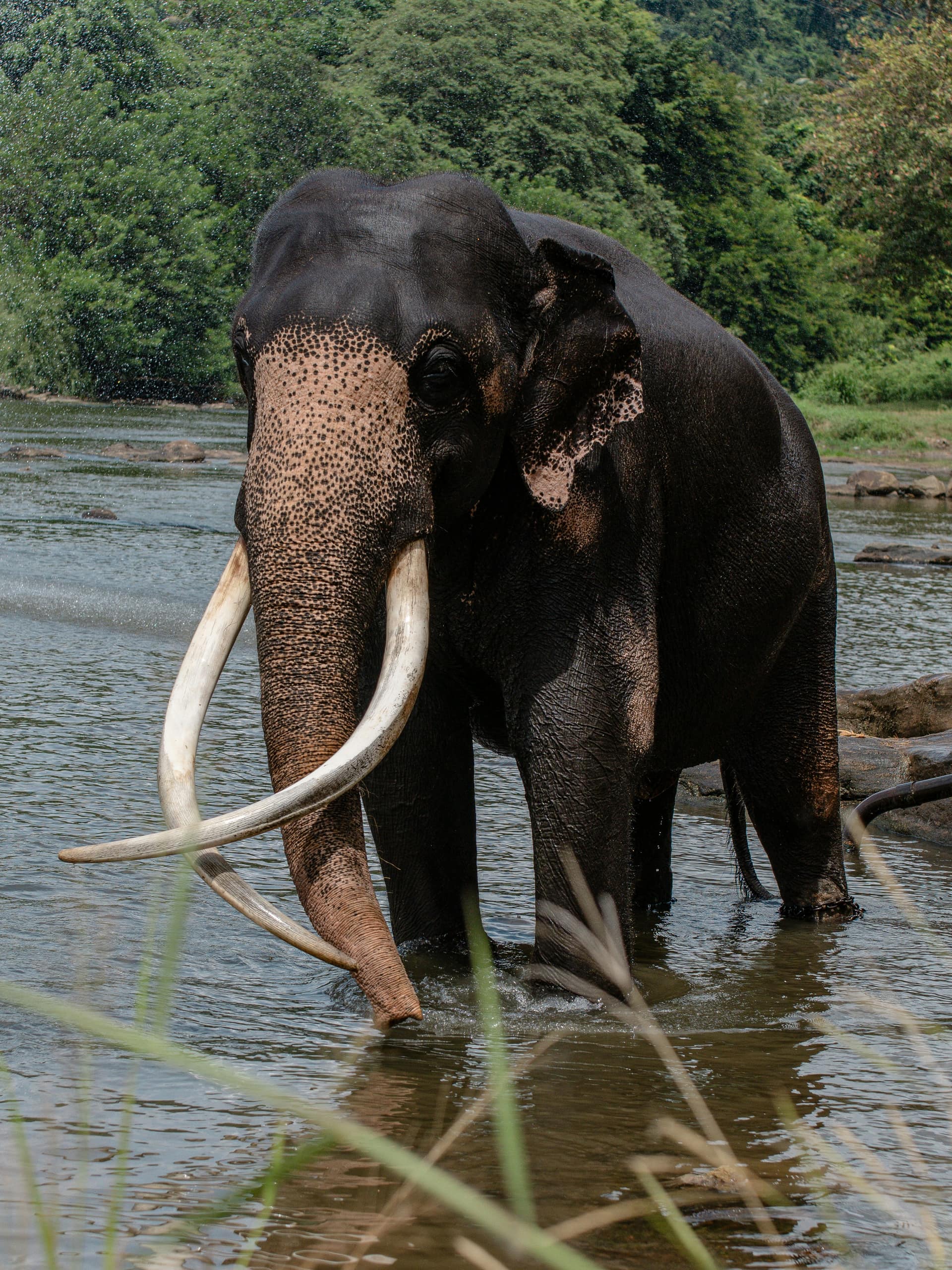
Udawalawe is the reliable elephant park year-round, but February adds excellent light and low grass, which makes photography far easier. Wilpattu in the north-west is drier than it has been since October and its villus, the natural sand-rimmed lakes that give the park its name, become genuine wildlife theatre.
Book jeeps and park entries in advance in February. The morning gate queue at Yala's main entrance is real, and a guide who knows to be there first makes the difference.
- →Yala Block 1: highest leopard density, best in the early morning drive.
- →Udawalawe: dependable elephant sightings and open, photographable terrain.
- →Wilpattu: quieter, wilder, and at its best from February onwards.
- →Bundala: winter migratory waterbirds are still present in numbers.
Navam Perahera and Independence Day
The Navam Perahera, staged by Gangaramaya Temple in central Colombo, falls on the February full moon poya. It is the capital's biggest procession, with elephants, whip-crackers, fire dancers and Kandyan drummers moving around Beira Lake over two nights. Because it is in Colombo rather than the hills, it is far easier to attend on a short trip than the August Esala Perahera in Kandy.
Independence Day on 4 February brings a military parade and closures to parts of Colombo. It is a public holiday, so government offices, some banks and a few museums shut. Nothing about it should change your route, but it is worth knowing if you have Colombo admin to do.
- →Navam Perahera: February full moon poya, around Beira Lake in Colombo.
- →Independence Day: 4 February, parades and central Colombo road closures.
- →Poya days are public holidays island-wide and alcohol is not sold.
Beaches, whales and the sea in February
The south and west coasts are at their calmest. Mirissa, Unawatuna, Tangalle, Bentota and Hikkaduwa all offer flat, swimmable water for much of the day, which is not true in every month. This matters if you are travelling with children or with anyone nervous in surf.
Blue whale watching from Mirissa continues to run well through February, within the roughly November to April southern window. Surfers still find consistent swell at Weligama, Midigama and Ahangama, generally cleanest before mid-morning when the onshore wind arrives.
The clearest views of the year in the hill country
Horton Plains and World's End are a lottery in most months, because cloud usually fills the escarpment by about nine in the morning. February gives you the best odds of the year, provided you are at the park gate at opening and walking the loop anticlockwise to reach the drop early.
The Adam's Peak pilgrimage season is also in full flow, running from the December poya through to Vesak in May. February weekends and poya nights are the busiest on the steps; a weekday climb is calmer.
- →Horton Plains: arrive at opening for the best chance of a clear World's End.
- →Adam's Peak: climb midweek to avoid the heaviest pilgrim traffic.
- →Kandy to Ella train: book reserved seats well ahead in February.
Planning a February trip
February suits an ambitious route because you are not designing around rain. A fortnight can comfortably take in the Cultural Triangle, Kandy, the hill country, a safari park and the south coast without any weather compromise, which is rarely true in April, October or November.
The trade-off is demand. February is high season, and the best boutique properties in Galle Fort, the tea bungalows around Hatton and the good Yala camps fill months out. Lankan Stays & Trails plans February trips early for exactly this reason, and builds in the pre-dawn starts that the month rewards.
Frequently asked questions
Is February a good time to visit Sri Lanka?
February is arguably the best all-round month. It is typically the driest month on the south and west coasts, the hill country and the Cultural Triangle, and it is prime dry-season safari time at Yala and Udawalawe. Only the north and east coasts are unsuitable.
What is the weather like in Sri Lanka in February?
Settled and dry across the south, west and hills, with coastal daytime temperatures typically in the low thirties Celsius and relatively low humidity. The hill country is clear with cold nights. The north and east coasts still see rain under the tail of the north-east monsoon.
Is February good for safari in Sri Lanka?
Yes. February is one of the strongest months. Waterholes in Yala, Udawalawe and Wilpattu have shrunk enough to concentrate animals predictably, grass is low, and light is good for photography. Book jeeps and park entry in advance, as February is high season.
Can you see whales in Sri Lanka in February?
Yes. February falls within the southern whale-watching season of roughly November to April. Boats from Mirissa work the deep water south of Dondra Head for blue whales, sperm whales and spinner dolphins. Sea conditions are usually calm, which helps with seasickness.
How busy is Sri Lanka in February?
Busy. February is high season, though below the Christmas and New Year peak. Galle Fort hotels, tea-country bungalows, Yala jeeps and reserved seats on the Kandy to Ella train book out well ahead, so plan several months in advance where you can.
What festivals are there in Sri Lanka in February?
The Navam Perahera at Gangaramaya Temple in Colombo takes place on the February full moon poya, with elephants, dancers and drummers around Beira Lake. Independence Day falls on 4 February. Poya dates shift each year with the lunar calendar, so confirm before booking.
Should I go to Trincomalee in February?
No. Trincomalee, Nilaveli, Pasikudah and Arugam Bay are still affected by the north-east monsoon in February, and Pigeon Island snorkelling is unreliable. The east coast season runs roughly May to September. In February, stay on the south and west coasts.