
Quick answer
A wildlife and beach itinerary for photographers follows the 10-day south coast route with more early and late sessions: two Udawalawe drives for backlit elephants, three Yala drives including a full day, Bundala at dawn for flamingos, Rekawa for low-light turtles without flash, and Mirissa's whale boat for flukes and spouts. A 100 to 400 mm lens or longer covers most wildlife, with a wide-angle for coastal sunsets. December to April gives calm sea and clear light.
Key takeaways
- The best wildlife light on the route falls in the first two hours after dawn and the last two before sunset.
- A 100 to 400 mm lens, or a bridge camera with similar reach, covers most wildlife from jeeps and boats.
- Flash is not allowed at Rekawa's turtle beach, and red light only is the rule.
- Udawalawe's open plains suit backlit elephant shots in the late afternoon.
- Mirissa's whale boats are moving platforms, so fast shutter speeds of 1/1000 second or more help.
Why the route suits photographers
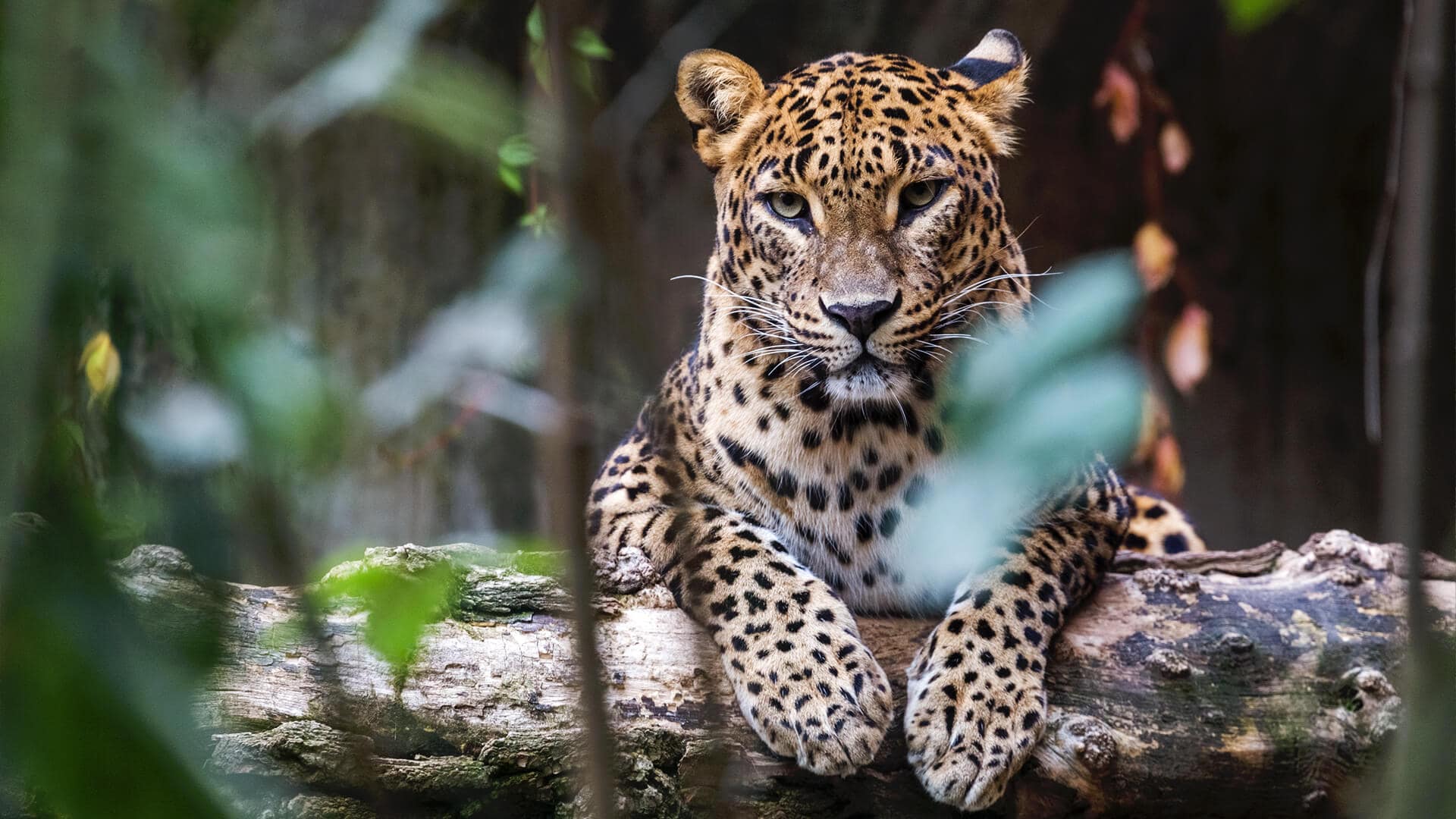
The wildlife and beach route suits photographers because it packs several very different subjects into a short trip. Leopards and sloth bears in Yala, elephant herds at Udawalawe, flamingos at Bundala, turtles at Rekawa, whales off Mirissa and coastal landscapes along the way all need different lenses, light and patience.
The dry-zone parks also give clean backgrounds and good light. Yala's rocky outcrops and open scrub frame leopards well, and Udawalawe's grasslands are wide enough for elephants against the sky.
- →Yala: leopards on rocks, sloth bears, peacocks, crocodiles.
- →Udawalawe: elephant herds against open grassland.
- →Bundala: flamingos and waders in shallow lagoons.
- →Mirissa: whales, dolphins and seascapes.
Adapting the route for photography
The photographer's version of the wildlife and beach route adds sessions rather than nights. It gives Udawalawe a dawn and an afternoon drive, Yala three drives including a full day, and Bundala a dawn visit, and moves the night at Tangalle to a third at Tissamaharama.
The coastal half keeps Mirissa and Unawatuna, with whale watching, Galle Fort at sunset and a pre-dawn session at the stilt fishermen near Koggala. The result is a busy trip with many early starts, so midday rest is part of the plan.
- →Days 1 and 2: Udawalawe afternoon and dawn drives.
- →Days 3 to 5: Yala dawn, full day and afternoon drives, Bundala at dawn.
- →Day 6: roughly two and a half to three hours to Mirissa.
- →Day 7: whale watching.
- →Days 8 and 9: Unawatuna, stilt fishermen at dawn, Galle Fort at sunset.
- →Day 10: airport.
Light and timing
Light and timing shape wildlife photography in Sri Lanka. The first two hours after the park gates open, around 6am, give warm, low light and active animals. Midday is harsh, and most animals rest in shade. The last two hours before sunset bring golden light again, with elephants and deer moving to water.
On the coast, the sun rises over the sea at the eastern ends of the beaches and sets to the west. Galle Fort's lighthouse and ramparts face the sunset, and Mirissa's Parrot Rock is a classic silhouette at dusk.
Lankan Stays & Trails asks drivers to position the jeep with the sun behind the photographer where the tracks allow it, which makes a noticeable difference to the images.
- →Dawn: 6am to 8am, the best wildlife light.
- →Midday: rest, edit and charge batteries.
- →Late afternoon: 4pm to 6pm, golden light and elephants at water.
Gear for the route
Gear for a wildlife and beach trip should balance reach and weight. A 100 to 400 mm zoom covers most wildlife from a jeep; a 500 or 600 mm adds reach for birds and shy animals. A wide-angle lens covers coastal scenes and sunsets, and a standard zoom handles everyday shots.
A bean bag steadies a long lens on the jeep's side rail, and a rain cover protects against dust. On the whale boat, keep gear in a waterproof bag and use a fast shutter speed. The binoculars and cameras page in this series covers gear in more detail.
- →Telephoto: 100 to 400 mm, or longer for birds.
- →Support: bean bag for the jeep rail.
- →Protection: dust and rain cover, waterproof bag at sea.
Ethics behind the lens
Ethical photography matters on the wildlife and beach route. Never ask a driver to go off-track, crowd an animal or block its path for a shot. At Rekawa, flash and white light are banned, and the guides decide when photography is allowed.
On whale boats, a good operator keeps distance and approaches slowly. Drones need permission from the civil aviation authority and are not allowed in national parks without it.
Backing up images every evening matters on a trip with this many sessions. Dust, heat and humidity are hard on cards and drives, so a second copy on a laptop or cloud service protects a once-in-a-lifetime leopard frame.
Frequently asked questions
What lens do I need for a safari in Sri Lanka?
A 100 to 400 mm zoom covers most wildlife in Yala and Udawalawe, where animals are often close to the tracks. Birders and serious photographers may want 500 or 600 mm. A bridge camera with similar reach is a lighter alternative.
What is the best time to photograph leopards in Yala?
The first two hours after the gates open, around 6am, give the best light and the most active leopards. Late afternoon is the second chance. February to July is the driest season, when leopards are often seen near waterholes and on rocks.
Can you photograph turtles at Rekawa?
Only without flash and only when the guides allow it. Turtles are easily disturbed while nesting, so white light and flash are banned. Some guides allow low-light photos with red light once the eggs are laid.
How do you photograph whales from a boat?
Use a fast shutter speed, around 1/1000 second or more, and a mid-range zoom of 70 to 300 mm. Watch for the spout first, then the back and fluke. Keep your camera in a waterproof bag between sightings.
Can I fly a drone on the south coast?
Drones need permission from Sri Lanka's civil aviation authority, and they are not allowed in national parks or near sensitive sites without it. Rules change, so check current requirements before travelling.
Is a full-day safari good for photography?
Yes, for committed photographers. A full day in Yala covers more ground, catches midday activity at water, and lets you stay with a sighting without watching the clock. It is long and hot, so bring water, food and patience.