
Quick answer
Choose the wildlife and beach itinerary if animals and beaches matter most: it gives three national parks, a turtle watch, whale watching and six beach nights, with roughly 11 to 13 hours of driving. Choose the classic 10-day route if you want Sigiriya, the Temple of the Tooth in Kandy, the Kandy to Ella train and tea country, with one Yala safari and two or three beach nights. The classic route involves more driving and more varied days; the wildlife route is slower and deeper.
Key takeaways
- The wildlife and beach route gives three national parks, a turtle watch, whales and six beach nights.
- The classic route gives Sigiriya, Kandy, the Ella train, tea country, one safari and a short beach stay.
- The wildlife and beach route has roughly 11 to 13 hours of driving; the classic route has more.
- Both work best from December to April on the south coast.
- First-time visitors who want an overview usually prefer the classic route; wildlife lovers prefer the other.
The two routes side by side
The two routes share a start and an end but differ in the middle. The classic 10-day route runs from Sigiriya and the Cultural Triangle to Kandy, by train through tea country to Ella, down to Yala and finishes at Mirissa or the south coast. The wildlife and beach route runs from Udawalawe to Yala and Bundala, then along the coast from Tangalle to Unawatuna.
The classic route sees more types of place; the wildlife route sees more of fewer places.
- →Classic: Sigiriya, Kandy, Ella, Yala, beach.
- →Wildlife and beach: Udawalawe, Yala, Bundala, Tangalle, Mirissa, Unawatuna.
- →Both: start at the airport and end on the south coast.
Wildlife on each route
Wildlife on the classic route is usually one Yala drive and an elephant safari near Sigiriya, at Minneriya or Hurulu, with whale watching if time allows. On the wildlife and beach route, it is three parks, up to four drives, whale watching with a back-up morning, a turtle watch and snorkelling.
The odds of seeing a leopard, a blue whale and a nesting turtle are all much higher on the wildlife and beach route.
Elephants are seen on both routes, near Sigiriya or at Udawalawe.
- →Classic: one or two safaris, whales optional.
- →Wildlife and beach: three parks, whales, turtles, reef.
- →Both: elephants are almost certain.
Culture and scenery
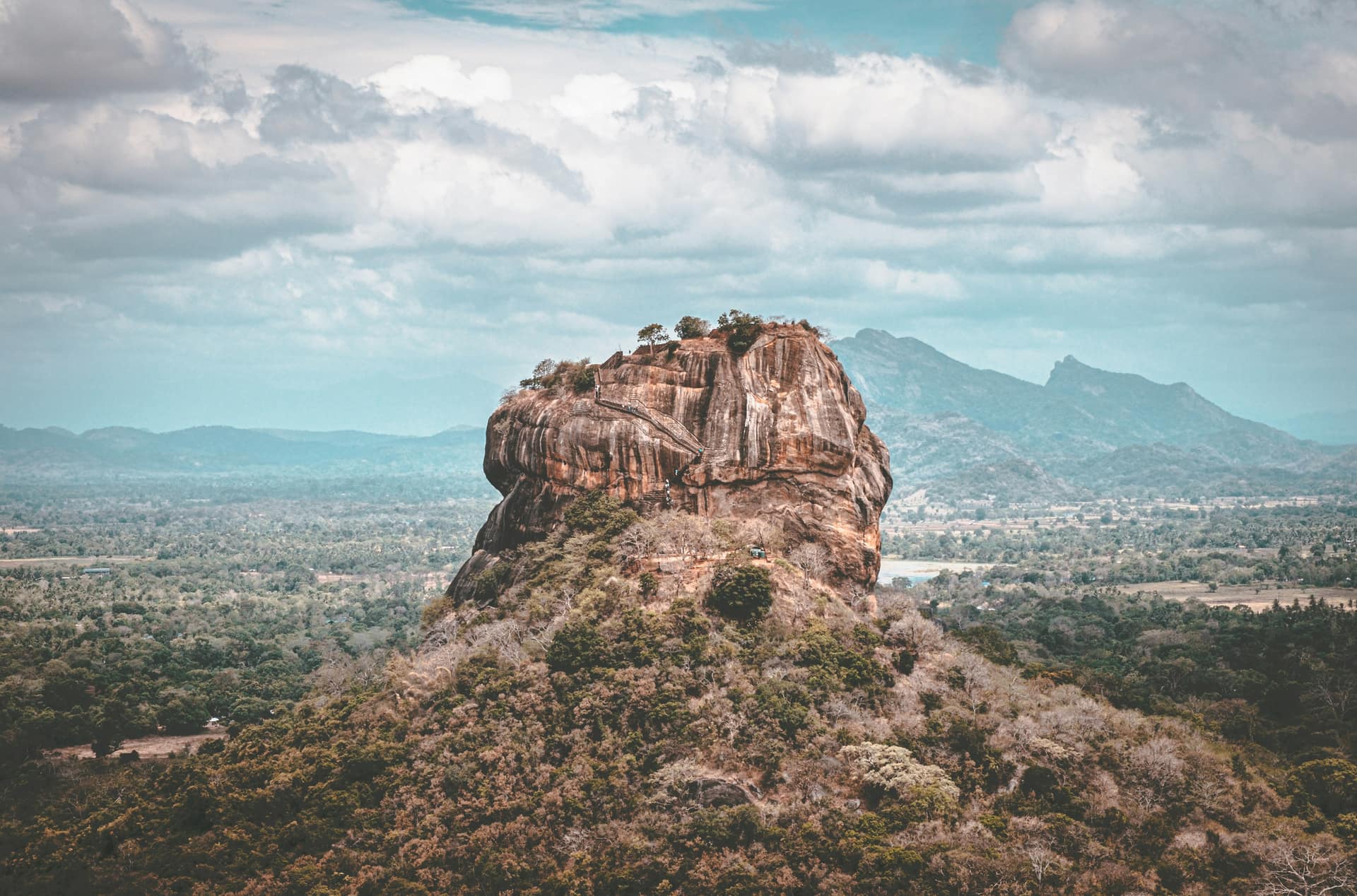
Culture and scenery are the classic route's strength. Sigiriya Rock, Dambulla's cave temples, the Temple of the Tooth in Kandy, the Kandy to Ella train and the tea country around Ella are among Sri Lanka's best experiences.
The wildlife and beach route has culture too, at Kataragama, Tissamaharama, Mulkirigala and Galle Fort, but lighter. Its scenery is dry-zone parks and palm-fringed coast rather than mountains and tea.
The ultimate 10-day Sri Lanka itinerary on this site sets out the classic route day by day.
Food is a shared pleasure on both routes. Rice and curry, hoppers and fresh seafood on the coast are part of either trip, and cooking classes in Mirissa or Unawatuna suit both.
- →Classic: ancient cities, temples, tea, train.
- →Wildlife and beach: Kataragama, Galle Fort, coast.
- →Both: Galle Fort can be included at the end.
Pace and driving
Pace and driving differ significantly. The classic route changes base often and includes several drives of three to five hours, plus the train. The wildlife and beach route has one long drive on day one, then short moves of one to two hours.
Beach time is the other difference: two or three nights on the classic route, six on the wildlife and beach route.
Lankan Stays & Trails often suggests the classic route for a first visit and the wildlife and beach route for a second, or for travellers who know they want animals and rest.
- →Classic: more driving, more variety.
- →Wildlife and beach: less driving, more beach.
- →Both: work best with a private driver.
Which to choose
Choose the classic route if this is your first visit and you want an overview of Sri Lanka's culture, hills and wildlife in one trip. Choose the wildlife and beach route if animals and beaches matter most, you dislike long drives, or you have seen the Cultural Triangle before.
The Minneriya and Sigiriya version of the wildlife and beach route is a compromise, adding Sigiriya and an elephant safari to the wildlife focus.
- →Classic: first visit, culture, scenery.
- →Wildlife and beach: animals, rest, short drives.
- →Compromise: the Minneriya and Sigiriya version.
Frequently asked questions
Which 10-day Sri Lanka route is best?
It depends on your priorities. The classic route suits first-time visitors wanting culture, hills and one safari. The wildlife and beach route suits those who want more safaris, whales, turtles and six beach nights with less driving.
Can I see Sigiriya on the wildlife and beach route?
Not on the standard version. The Minneriya and Sigiriya variant adds two nights near Sigiriya and an elephant safari, at the cost of a long drive south and a beach night.
Which route has more beach time?
The wildlife and beach route, with six beach nights across Tangalle, Mirissa and Unawatuna. The classic route usually has two or three beach nights at the end. That makes it more restful.
Which route has less driving?
The wildlife and beach route, with roughly 11 to 13 hours of driving in total. The classic route has more, including several three to five hour drives and the train.
Is the classic route good for wildlife?
It includes one Yala safari and often an elephant safari near Sigiriya, which gives a good taste. For better odds of leopards, whales and turtles, the wildlife and beach route is stronger.
Can I do both routes in two weeks?
Partly. A two-week trip can combine the Cultural Triangle, Kandy and Ella with two nights near Yala and four on the beach. That drops Udawalawe, Bundala and some beach time.
Which route is better for families?
Both work. The wildlife and beach route has fewer long drives and more pool and beach time, which suits young children. The classic route suits older children who will enjoy Sigiriya and the train.
Which route is better for a second visit?
The wildlife and beach route, for most returning travellers. It avoids repeating Sigiriya, Kandy and Ella, and goes deeper into the parks and coast, with turtles, whales and three national parks the classic route only touches.