
Quick answer
Yala and Udawalawe in 5 days spends two nights near Udawalawe and two at Tissamaharama by Yala, roughly 1.5 to 2 hours apart. Take an afternoon safari at Udawalawe on day one or two, visit the Elephant Transit Home feeding, then two Yala drives, ideally one at dawn for leopards. Udawalawe is roughly 4 hours from the airport and Tissamaharama roughly 4 to 5. Yala often closes for part of September and October.
Key takeaways
- The route is Udawalawe 2 nights and Tissamaharama 2 nights, roughly 1.5 to 2 hours apart.
- Udawalawe gives elephants in almost every drive, all year round.
- Yala gives the best chance of leopards, especially at dawn, but Block 1 is crowded.
- The Elephant Transit Home's feeding times show orphaned calves before their release.
- Yala often closes for part of September and October; confirm the dates.
Why these two parks
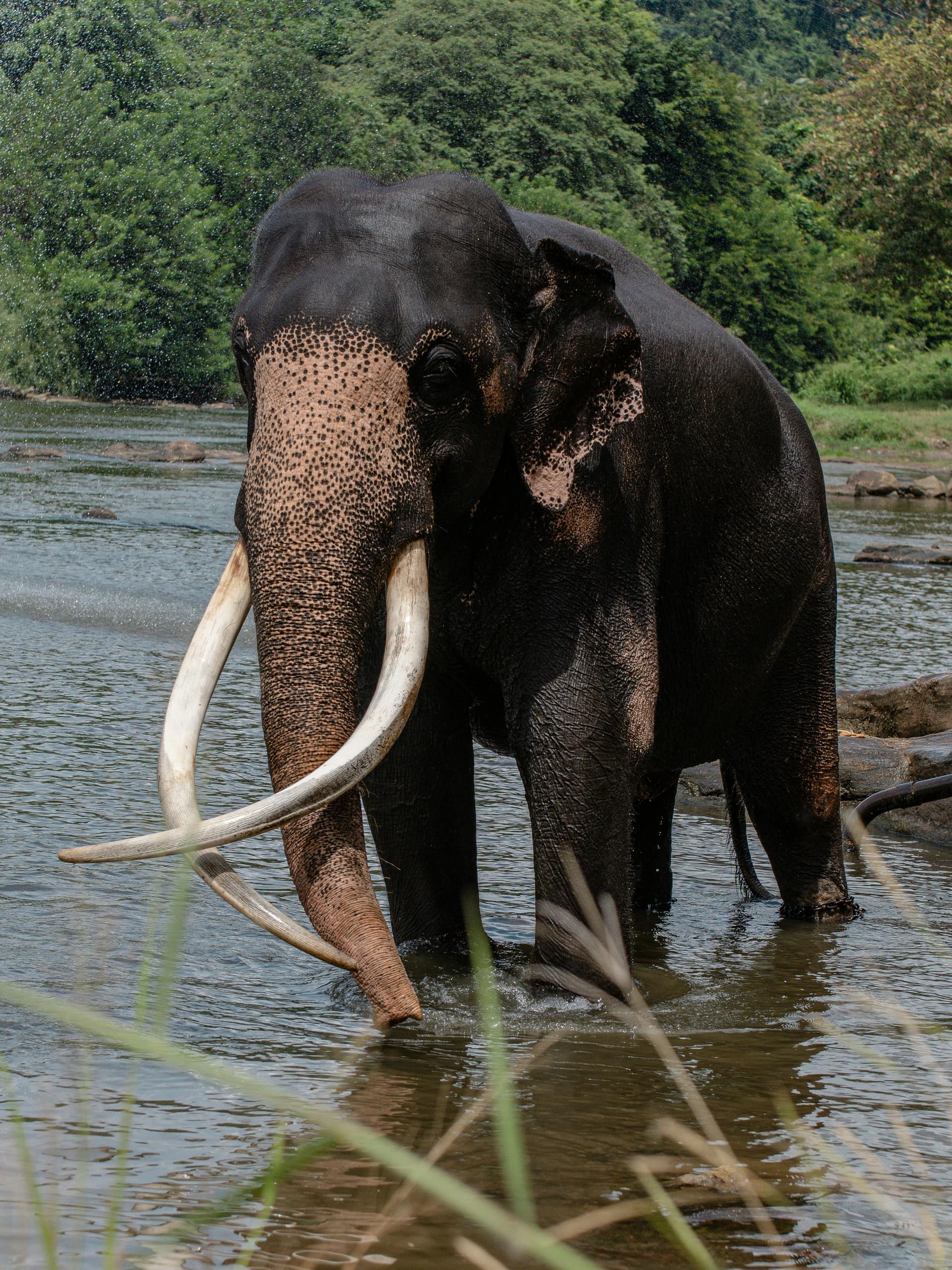
Udawalawe and Yala complement each other. Udawalawe is open grassland and scrub around a large reservoir, where elephants are seen in almost every drive and often in large numbers. Yala is a mix of scrub, lagoons, rock outcrops and beach, home to one of the highest densities of leopards in the world, along with sloth bears, crocodiles and many birds.
Two nights at each means a relaxed rhythm: one or two game drives at each park, with rest in the middle of the day. Nothing is rushed, and the drive between them is short.
The trade-off is that the trip is almost entirely wildlife. A beach night can be added only by dropping a park night.
- →Udawalawe: elephants, open views.
- →Yala: leopards, varied habitat.
- →Distance between: roughly 1.5 to 2 hours.
Day by day
Day one drives from the airport to Udawalawe, roughly 4 hours by the Southern Expressway, arriving for an afternoon game drive. Day two visits the Elephant Transit Home at a feeding time, then a morning or afternoon drive in Udawalawe, with a rest in between.
Day three drives to Tissamaharama, roughly 1.5 to 2 hours, for an afternoon Yala drive. Day four is a dawn drive in Yala, the best time for leopards, back by late morning, with an afternoon at Tissa Wewa or Bundala for birds.
Day five is an optional final dawn drive, then roughly 4 to 5 hours to the airport for an evening flight.
- →Day 1: airport to Udawalawe, safari.
- →Day 2: Elephant Transit Home, safari.
- →Day 3: to Tissamaharama, Yala afternoon.
- →Day 4: Yala at dawn, Bundala.
- →Day 5: optional dawn, airport.
Udawalawe and the Elephant Transit Home
Udawalawe's open landscape makes elephants easy to see, often at close range, along with water buffalo, crocodiles, mugger, peacocks and raptors. Afternoon drives catch elephants coming to water.
The Elephant Transit Home, on the park's edge, raises orphaned elephant calves and returns them to the wild when they are old enough. Visitors watch feeding times from a viewing platform; there is no contact with the calves, which is part of why it is considered more responsible than other elephant facilities.
Check current feeding times locally, because they can change.
- →Elephants: almost every drive.
- →Transit Home: feeding times only.
- →No contact with calves.
Yala at dawn
Yala's leopards are most active in the early morning and late afternoon. A dawn drive, entering as the gates open, gives the best chance, though sightings are never guaranteed.
Block 1, the most visited section, can have many jeeps around a sighting. Choose a driver who keeps a respectful distance and does not race between sightings. Other blocks are quieter, with fewer leopards but a calmer experience.
Lankan Stays & Trails can arrange experienced Yala drivers and suggest which block suits your priorities.
Afternoon drives in Yala also have their rewards: elephants at the waterholes, crocodiles basking, and sometimes a leopard resting on a rock as the heat fades. The light is warm and golden in the last hour before the gates close, which photographers value as much as the dawn.
- →Dawn: best for leopards.
- →Block 1: busiest.
- →Choose a respectful driver.
When this route works
Udawalawe is good all year. Yala is often best roughly February to July, when water is scarce and animals gather at waterholes, and often closes for part of September and October for maintenance and the dry-season peak; confirm the dates for your year.
The south is dry and hot from roughly May to September, and rain is more likely in October and November.
- →Udawalawe: all year.
- →Yala: often best February to July.
- →Yala closure: confirm September and October.
Who this route suits
Wildlife lovers, photographers, families with children who enjoy animals and travellers on a second visit are the route's natural audience.
Travellers who want culture or a beach should choose a mixed route instead.
Frequently asked questions
How far is Yala from Udawalawe?
Yala's main entrance near Tissamaharama is roughly 1.5 to 2 hours from Udawalawe by road. The short distance makes it easy to combine the two parks with a morning or afternoon drive in each, without long transfers.
Which is better, Yala or Udawalawe?
Udawalawe is better for elephants, seen in almost every drive, and is less crowded. Yala is better for leopards and has more varied habitat, but Block 1 can be crowded. Combining both on a five-day trip gives the best of each.
How many safaris should I do in 5 days?
Three or four game drives suit a five-day wildlife trip: one or two at Udawalawe and two at Yala, including a dawn drive. More is possible, but each drive involves an early start or a hot afternoon, and rest between them keeps the trip enjoyable.
Is Yala closed in September?
Yala often closes for part of September and October, usually for several weeks, for maintenance and to give wildlife a break during the driest period. The exact dates change each year, so confirm them before booking. Udawalawe stays open.
Can I see leopards at Udawalawe?
Leopards live in Udawalawe but are rarely seen, because the park has fewer of them and more cover. Yala, with one of the highest leopard densities in the world, gives a much better chance. Even in Yala, sightings are never guaranteed.
Is the Elephant Transit Home ethical?
The Elephant Transit Home is generally considered one of the more responsible elephant facilities in Sri Lanka, because it raises orphaned calves for release back to the wild and visitors watch feeding from a platform without contact. Check current feeding times locally.