
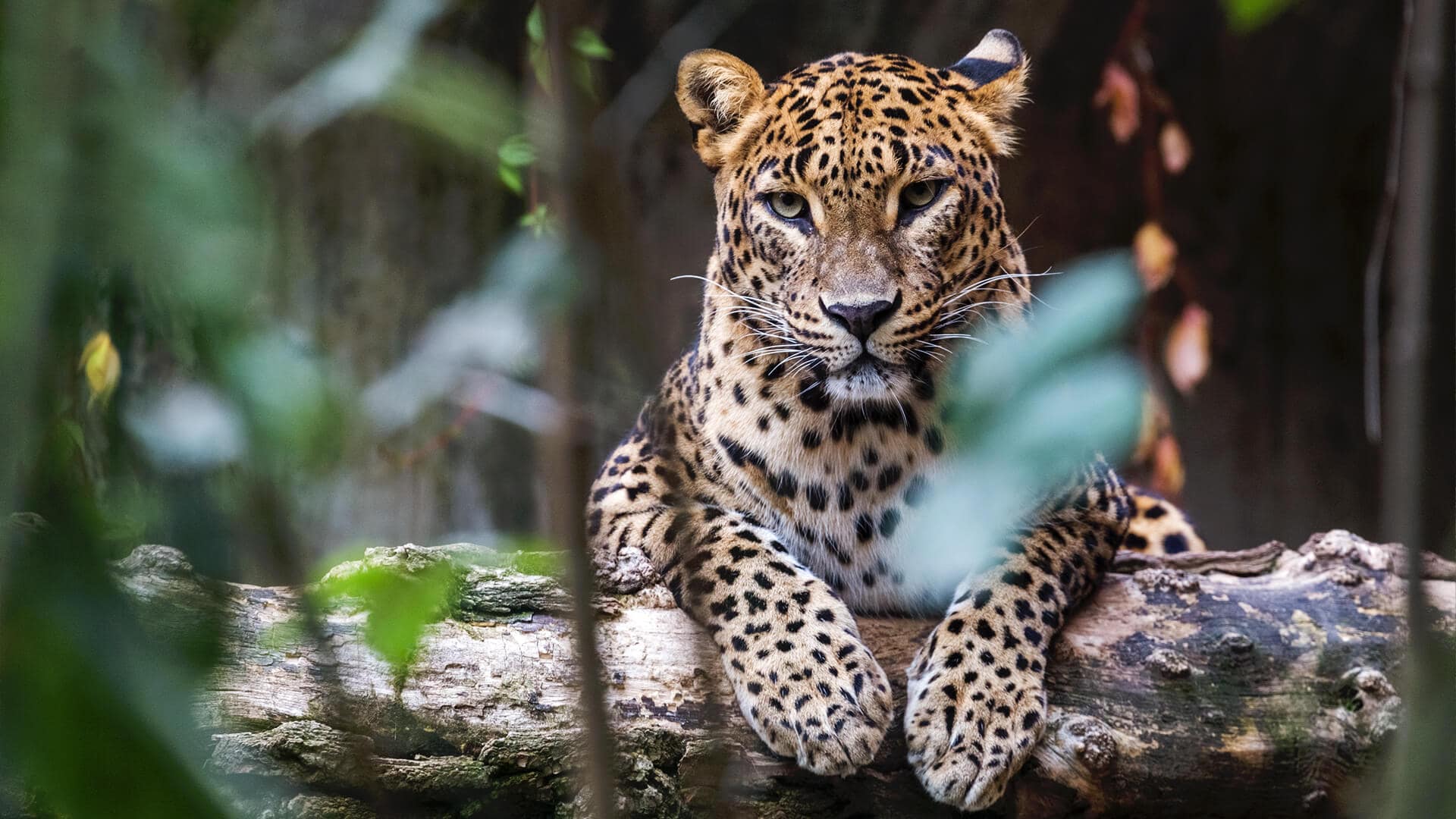
Quick answer
A 5-day leopard itinerary for Sri Lanka spends three nights at Tissamaharama, roughly 4 to 5 hours from the airport, for four or five Yala game drives, including at least two at dawn and ideally a visit to a quieter block, then a last night at Galle, roughly 2.5 to 3 hours from the airport. Yala has one of the highest leopard densities in the world, but no sighting is guaranteed. The park often closes for part of September and October.
Key takeaways
- The route is Tissamaharama 3 nights and Galle 1 night.
- Four or five game drives give a far better chance than one or two.
- Dawn and late afternoon are the best times; leopards rest in the midday heat.
- Block 1 has the most leopards and the most jeeps; quieter blocks are calmer.
- Yala often closes for part of September and October; confirm dates.
Why more drives matter
Leopards are shy, mostly solitary and often hidden in scrub or high on rocks. Even in Yala, which has one of the highest densities of leopards anywhere, many drives pass without a sighting. The more time you spend in the park, the better your odds.
That is why this route gives Yala three nights. With a drive on the afternoon of arrival, two the next day and one or two more after that, you have four or five chances, spread across different times and conditions. Most visitors who try this hard see at least one leopard, though nothing is certain.
The last night moves to Galle, to give the trip a soft landing and a short airport run.
- →Drives: four or five.
- →Times: dawn and late afternoon.
- →Odds: good, never guaranteed.
Day by day
Day one drives from the airport to Tissamaharama, roughly 4 to 5 hours by the Southern Expressway, arriving for an afternoon Yala drive. Day two is a dawn drive, back by late morning, a rest in the heat, then an afternoon drive.
Day three is a dawn drive in a quieter block, or a full-day safari with a packed lunch, which covers more ground. Day four is a final dawn drive, then roughly 2.5 hours west along the coast to Galle, arriving for a sunset walk on the ramparts.
Day five is a slow morning in Galle and roughly 2.5 to 3 hours to the airport.
- →Day 1: airport to Tissamaharama, afternoon drive.
- →Day 2: dawn and afternoon drives.
- →Day 3: quieter block or full day.
- →Day 4: dawn drive, then Galle.
- →Day 5: Galle, airport.
Choosing blocks and drivers
Yala is divided into blocks. Block 1, the most visited, has the highest density of leopards, which is why it is also busiest. Around a sighting, many jeeps can gather quickly. Other blocks, including Block 5 and the areas reached from other entrances, have fewer leopards but far fewer vehicles.
The driver matters as much as the block. A good driver knows the territories of individual leopards, reads alarm calls from deer and monkeys, and keeps a respectful distance without racing or blocking. Ask for a driver with experience and a reputation for good conduct.
Lankan Stays & Trails works with experienced Yala drivers and can suggest a mix of busier and quieter blocks across your drives.
- →Block 1: most leopards, most jeeps.
- →Other blocks: quieter.
- →An experienced driver is essential.
Photography tips
Leopard photography needs a long lens, roughly 300 mm or more, and patience. Many sightings are of a leopard resting in a tree or on a rock, often partly hidden. Dawn and late afternoon light is far better than midday.
A beanbag on the jeep's edge steadies a heavy lens. Turn off the engine when stopped, if your driver agrees, to avoid vibration. Dust is constant, so carry a cover for your camera.
Respect the animal: no flash, no noise, and no pressure on your driver to get closer.
- →Lens: 300 mm or more.
- →Beanbag for support.
- →No flash, no noise.
When this route works
Yala is often best roughly February to July, when the dry season concentrates animals around waterholes and vegetation thins. Leopards are seen all year, but these months often give the best visibility.
Yala often closes for part of September and October, usually for several weeks. Confirm the dates for your year before booking. October and November also bring rain to the south.
- →Often best: February to July.
- →Closure: part of September and October.
- →Rain: October and November.
Who this route suits
Photographers, wildlife enthusiasts and anyone for whom a leopard is the main reason to come are the route's natural audience. Families with older children who enjoy game drives also do well.
Travellers who dislike early starts or long hours in a hot jeep should choose a gentler mixed route with one or two drives.
Frequently asked questions
How many safaris do I need to see a leopard in Yala?
There is no fixed number, but four or five game drives in Yala give a much better chance than one or two. Many visitors on a single drive see a leopard, many do not. Spreading drives across dawn and late afternoon, and across blocks, improves the odds.
Is a full-day safari better for leopards?
A full-day safari covers more ground and lets you wait at known territories through the day, which can improve your chances. It is long and hot, though, and leopards often rest at midday. Many visitors prefer two half-day drives, at dawn and late afternoon.
Which Yala block is best for leopards?
Block 1 has the highest density of leopards in Yala and is the most visited, so it can be crowded. Other blocks, including Block 5, have fewer leopards but far fewer jeeps. A mix of blocks across several drives balances the odds and the experience.
When is the best time to see leopards in Yala?
Leopards are seen in Yala all year, but the dry months, roughly February to July, often give the best visibility as vegetation thins and animals gather near water. Yala often closes for part of September and October, so confirm dates before booking.
What lens do I need for leopard photography?
A lens of roughly 300 mm or longer is best for leopard photography, because animals are often in trees or on rocks at a distance. A beanbag helps steady it on the jeep. Bring a dust cover and spare batteries.
Can I see leopards outside Yala?
Leopards are also seen in Wilpattu, Kumana and some other parks, but Yala gives the best chance on a short trip. Wilpattu has fewer jeeps and a wilder feel; Kumana is quieter still. Both make good alternatives for repeat visitors.
Is three nights at Yala too many?
Three nights at Yala is not too many for a leopard-focused trip. It allows four or five game drives with rest between them. Travellers who want variety can use one afternoon for Bundala's birds or the beach at Kirinda.