
Quick answer
To add a safari to a 7-day Sri Lanka itinerary, stop at Udawalawe National Park on day 5, roughly two to two and a half hours from Ella, for an afternoon jeep safari and a night nearby, then continue to the south coast on day 6 for one beach night before Galle and the airport. This swaps one of the two Mirissa nights for the safari. Yala, near Tissamaharama, is the alternative for leopards but is much busier.
Key takeaways
- The safari fits between Ella and the south coast, where the route already passes close to Udawalawe and Yala.
- Udawalawe National Park is roughly two to two and a half hours from Ella and is known for reliable elephant sightings.
- Yala National Park, near Tissamaharama, offers the best chance of leopards but its Block 1 is often crowded with jeeps.
- Jeep safaris typically last three to four hours, with early morning and late afternoon the best times.
- The cost of adding a safari is one of the two south-coast nights and the week's only full rest day.
Where the safari fits in a 7-day Sri Lanka itinerary
The classic 7-day route already descends from Ella to the south coast on day 5, crossing the southern plains where both Udawalawe and Yala national parks lie. Adding a safari means breaking that drive in two, rather than adding a detour, which is why it fits more neatly here than anywhere else in the week.
The alternative placement is day 2 in the Cultural Triangle, with a late-afternoon jeep safari at Minneriya, Kaudulla or Hurulu Eco Park instead of the Dambulla Cave Temple. That costs no nights at all, and is the better choice if elephants are the goal and you want to keep two beach nights.
- →Day 5 or 6 on the southern plains: Udawalawe or Yala, costs one coast night.
- →Day 2 in the Cultural Triangle: Minneriya or Kaudulla, costs the Dambulla visit.
- →Doing both gives the widest wildlife range, at the cost of a slower pace.
The safari version of the week
Days 1 to 4 are unchanged: Sigiriya, Dambulla, Kandy and the train to Ella. Day 5 begins with the dawn walks at the Nine Arch Bridge and Little Adam's Peak, then drops to Udawalawe for an afternoon game drive and a night at a lodge or guesthouse near the park.
Day 6 continues to the south coast, roughly two to two and a half hours to Mirissa, arriving in time for lunch and an afternoon on the beach. Day 7 is Galle Fort and the airport as before. The week loses its full rest day but keeps a coast evening.
Whale watching becomes harder to fit in this version, since the single Mirissa night leaves only the morning of day 7, which is needed for Galle and the airport. Travellers who want both the safari and the whales should consider an eighth day, which restores the second coast night without cutting anything else.
- →Day 5: Ella dawn walks, drive to Udawalawe, afternoon jeep safari.
- →Night 5: near Udawalawe.
- →Day 6: drive to Mirissa, afternoon beach.
- →Day 7: Galle Fort and the Southern Expressway to the airport.
Udawalawe or Yala for a single safari
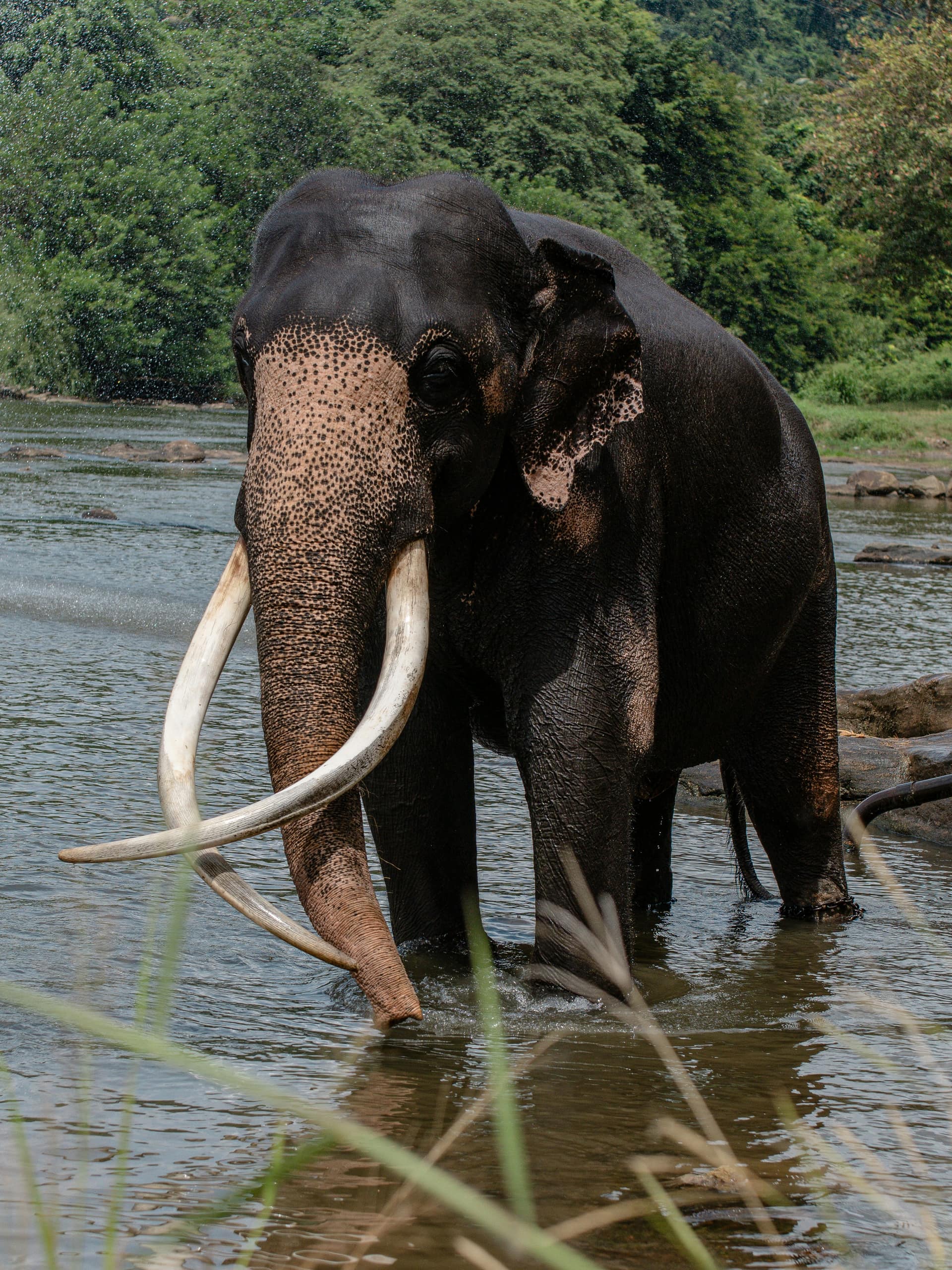
Udawalawe National Park is open grassland and scrub around a large reservoir, which makes elephants easy to see, often in family groups, along with water buffalo, crocodiles and abundant birdlife. It is the more reliable choice for a first-time visitor with only one game drive.
Yala National Park, reached from Tissamaharama roughly two to two and a half hours from Ella, has one of the highest leopard densities in the world, plus sloth bears and elephants. Its most visited section, Block 1, is frequently crowded, with dozens of jeeps converging on a single leopard sighting. Choose Yala if leopards are the dream and you accept the crowds; choose Udawalawe for a calmer, near-certain elephant experience.
- →Choose Udawalawe for reliable elephants and a calmer drive.
- →Choose Yala for the best chance of a leopard, accepting the crowds.
- →Yala's less-visited blocks are quieter but lower in leopard density.
- →Both work best on an early morning or late afternoon drive.
Morning or afternoon game drive
Jeep safaris in Sri Lanka typically last three to four hours, and the best times are early morning and late afternoon, when animals are active and the light is soft. On the safari version of the 7-day itinerary, the afternoon drive on day 5 is the natural fit, arriving from Ella around lunchtime.
A morning drive on day 6 is the alternative, leaving before dawn and returning around 10am before the coast drive. It is often better for wildlife, but adds another pre-dawn start to a week that already has several.
Jeeps are usually open-sided with a canvas roof, and the park tracks are dusty and bumpy. Bring a scarf or buff for the dust, a hat, sunscreen, binoculars if you have them, and plenty of water. Neutral colours are better than bright ones, and noise should be kept low near animals.
- →Afternoon drive on day 5: the natural fit after the morning in Ella.
- →Morning drive on day 6: often better for wildlife, but another pre-dawn start.
- →Bring a scarf for dust, a hat, sunscreen, binoculars and water.
Season and park closures
Yala usually closes for part of the dry season, often around September to October, to allow the wildlife a break; exact dates vary each year, so check before booking. Udawalawe generally stays open year-round and its elephants are visible in most months.
The south-coast half of this route suits roughly December to April, so the safari version is at its best then. Travellers in the May to September window should follow the east coast version and consider a Minneriya or Kaudulla safari from Sigiriya instead.
Park entry fees, jeep hire and tracker fees are charged separately and change periodically, so confirm current costs when booking rather than relying on older figures. Fees for foreign visitors are typically quoted in US dollars and are considerably higher than local rates.
An ethical safari on a short trip
The pressure of a single game drive can push drivers to chase sightings, crowd animals or leave the tracks. Choose an operator that keeps to the park rules, turns off the engine near animals, and does not race towards radio reports of a leopard.
Sri Lanka's elephants are best seen wild in national parks. Avoid any attraction offering elephant rides or bathing with captive elephants, and do not feed wildlife, including the elephants that sometimes wait by the Udawalawe boundary road for food from passing vehicles.
- →Choose operators who follow park rules and switch off engines near animals.
- →Avoid elephant rides and captive-elephant bathing experiences.
- →Never feed wild elephants, including at the Udawalawe roadside.
Is the safari worth a beach night
For travellers who have always wanted to see wild elephants or a leopard, yes: a game drive is one of the most memorable experiences in Sri Lanka, and a week without one can feel incomplete. For those who mainly want rest by day 6, keeping two beach nights is the better choice.
Lankan Stays & Trails includes a Yala safari on both of our seven-day tours, the Cultural Odyssey of Ceylon and Coastal Adventures and Iconic Landscapes, and books only operators who follow ethical guidelines. The Classic Sri Lanka Highlights tour adds a day for a slower version of the same idea.
Frequently asked questions
Can you fit a safari into 7 days in Sri Lanka?
Yes. The simplest way is to stop at Udawalawe or Yala on the drive from Ella to the south coast, spending one night near the park. This costs one of the two beach nights. A late-afternoon Minneriya safari near Sigiriya is an alternative that costs no nights.
Is Udawalawe or Yala better for a short trip?
Udawalawe is better for reliable elephant sightings and a calmer experience. Yala is better for leopards but is often crowded with jeeps in Block 1. For a first-time visitor with only one game drive, Udawalawe is usually the safer choice.
How far is Udawalawe from Ella?
Roughly two to two and a half hours by road, descending through Wellawaya. That makes an afternoon jeep safari realistic after an early morning at the Nine Arch Bridge and Little Adam's Peak, with lunch on the way.
How long is a safari in Sri Lanka?
Typically three to four hours for a half-day jeep safari, in the early morning or late afternoon. Full-day safaris are available in some parks but are rarely worth it on a seven-day trip, since the midday heat keeps many animals resting.
When is Yala closed?
Yala usually closes for part of the dry season, often around September to October, though exact dates vary each year. Check before booking. Udawalawe generally stays open throughout the year and is the reliable alternative during a Yala closure.
Will I see a leopard on one Yala safari?
Possibly, but it is never guaranteed. Yala has one of the highest leopard densities in the world, and sightings are frequent, but a single three- to four-hour drive can miss them entirely. Elephants, crocodiles, deer and birds are far more certain.